Hail Damage Roof Repair Across West Texas
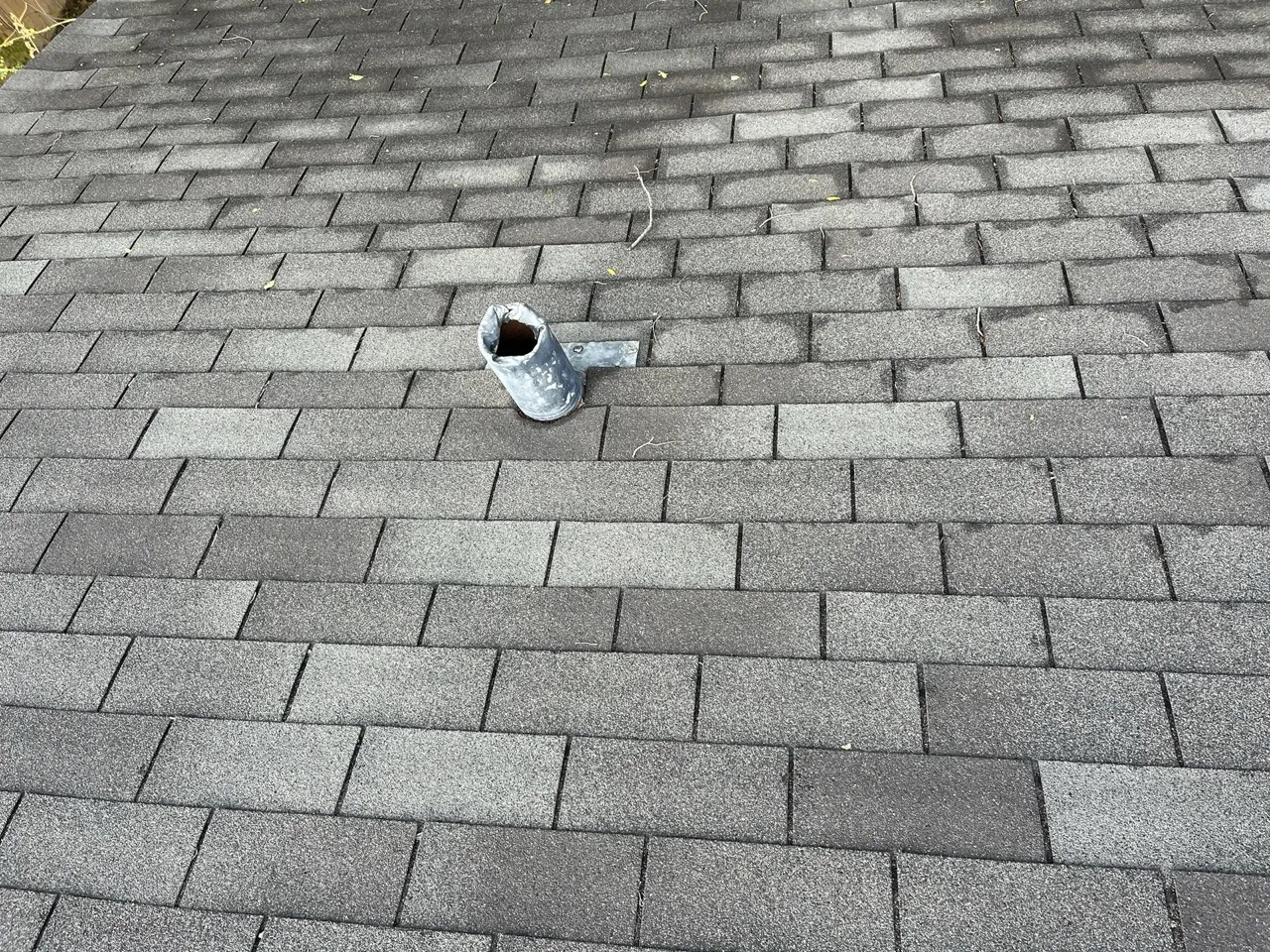
How Does West Texas Hail Threaten Your Roof?
The Texas Panhandle and Permian Basin sit squarely in Hail Alley, where severe thunderstorms produce damaging hailstones from April through September. Amarillo alone averages 3 to 4 significant hail events per year, with stones regularly exceeding golf-ball size. Each storm can leave behind thousands of damaged roofs across the region.
5 Star Roofing responds to hail events across 16 West Texas cities. We provide free inspections, handle the insurance paperwork, and complete repairs quickly so your home stays protected. Whether you need a few shingles replaced or a full tear-off after a major storm, our crews are ready.
What Are the Signs of Hail Damage on Your Roof?
Hail damage is not always obvious from the ground. Knowing what to look for can save you from expensive water damage down the road. Here are the most common indicators our inspectors check:
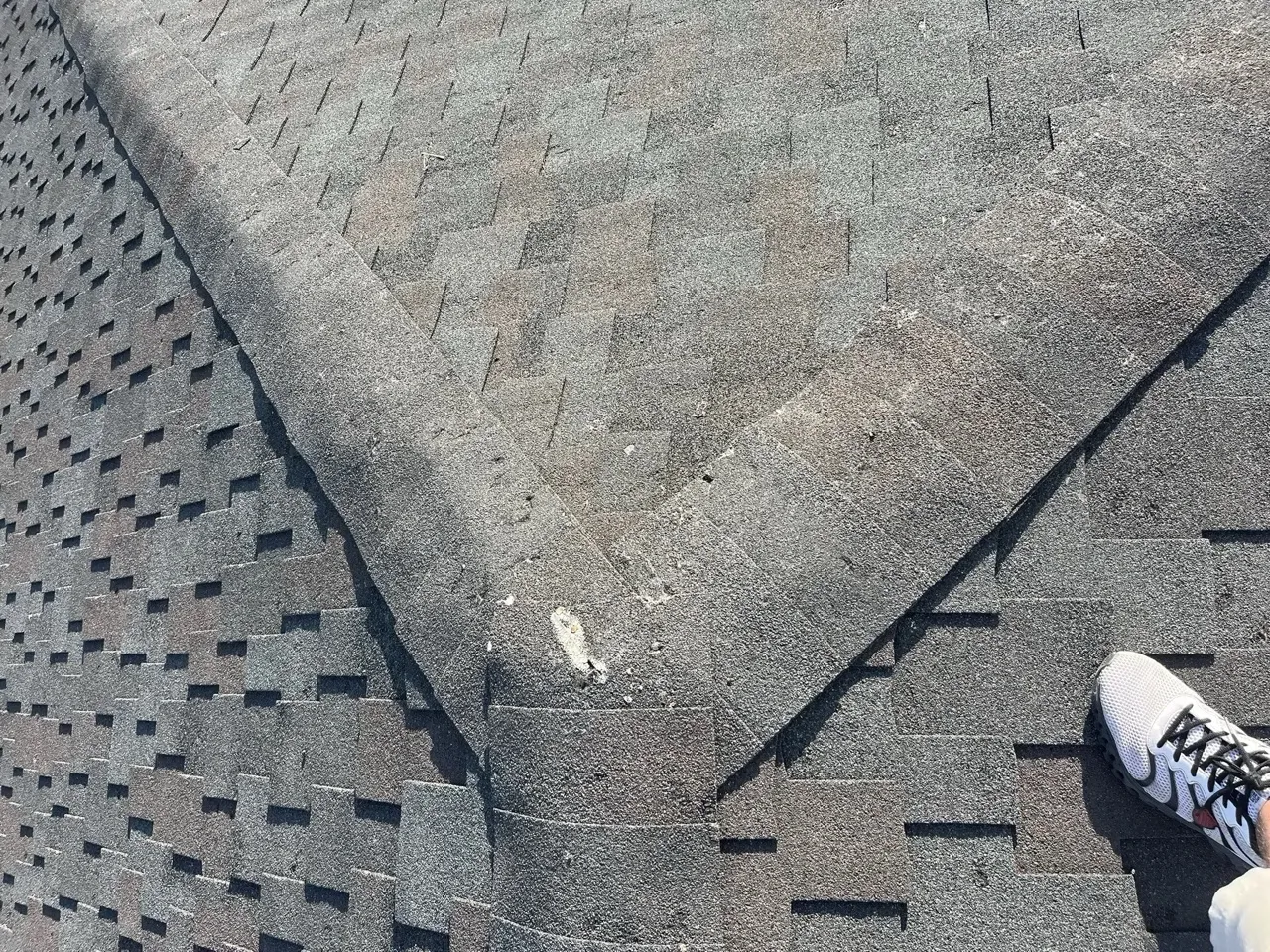
Cracked or Bruised Shingles
Hail impacts fracture the fiberglass mat beneath the surface granules. These cracks may not be visible from the ground, but they compromise the shingle's ability to shed water. Dark spots or soft areas when pressed indicate bruised shingles that will fail prematurely.
Granule Loss in Gutters
After a hail storm, check your gutters and downspout outlets for excessive granule accumulation. Granules protect shingles from UV degradation, and their loss accelerates aging by several years. Heavy granule deposits after a storm are a strong indicator of widespread hail impact.
Dented Gutters and Flashing
Aluminum gutters, vents, and metal flashing dent easily under hail impact. These dents serve as clear evidence for insurance claims and indicate that your shingles likely sustained similar force. We document all metal damage during our free inspections.
Soft Spots and Exposed Felt
Large hailstones can punch through shingle layers entirely, exposing the felt underlayment beneath. Even without full penetration, the impact creates soft spots where water will eventually pool and leak into your attic. These areas need immediate attention.
How Does the Hail Damage Repair Process Work?
From the first phone call to final cleanup, our process is designed to minimize stress and maximize your insurance recovery. Here is how we handle every hail damage project:
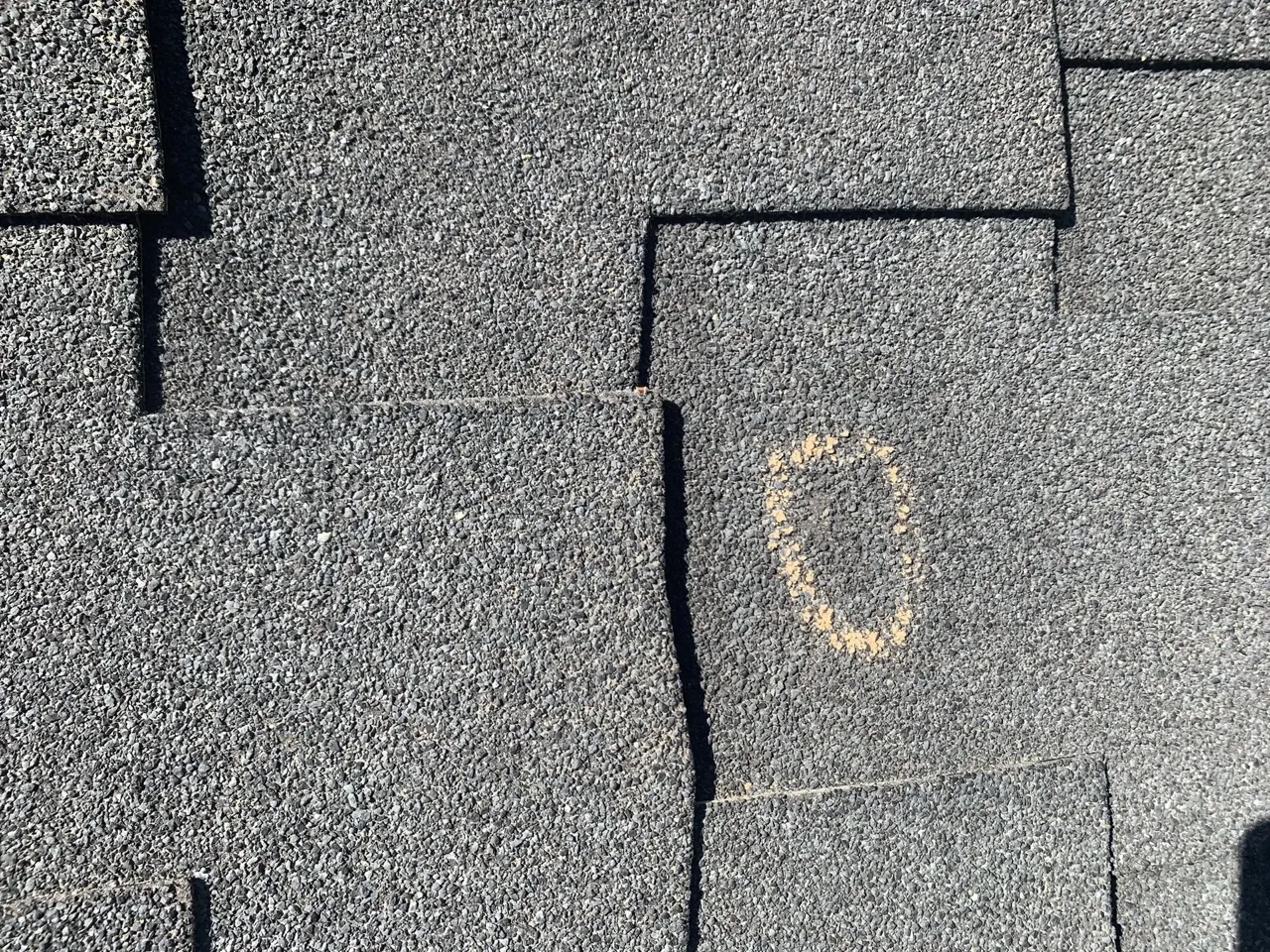
Free Inspection
We inspect your roof, siding, gutters, and screens for hail impact. Our inspectors climb the roof and document every point of damage with photos and measurements.
Damage Documentation
We prepare a detailed report with photo evidence, damage maps, and material specifications that meet insurance company requirements for claim approval.
Insurance Coordination
We meet your adjuster on-site, walk the roof together, and ensure nothing is missed. If the initial estimate falls short, we file supplements with additional documentation.
Repair or Replace
Once approved, our crews complete the work efficiently. Minor repairs take a day; full replacements typically take 1 to 3 days depending on roof size and material.
How Can We Help With Your Hail Damage Insurance Claim?
Filing a hail damage insurance claim can feel overwhelming, especially after a major storm when thousands of homeowners are calling their insurance companies at the same time. 5 Star Roofing handles the process for you from start to finish.
What We Handle
- Initial claim filing with detailed damage documentation
- On-site adjuster meetings to walk the damage together
- Supplement filings when the first estimate misses damage
- Material and labor cost verification against Xactimate
- Coordination between your insurance and our crew schedule
What You Can Expect
- Most homeowners pay only their deductible
- Claims typically take 2 to 4 weeks from filing to approval
- We never ask for upfront payment before insurance approves
- All work is warrantied regardless of insurance involvement
- We communicate with you at every step of the process
What Roofing Materials Can Be Repaired After Hail Damage?
Hail damages every type of roofing material differently. Our crews are trained and equipped to repair or replace all common residential and commercial roofing systems found across West Texas:
Asphalt Shingles
The most common residential roofing material in West Texas. Standard 3-tab shingles are the most vulnerable to hail, while architectural shingles offer better resistance. We install GAF, Owens Corning, and CertainTeed products, including Class 4 impact-resistant options that qualify for insurance discounts.
Metal Roofing
Standing seam and corrugated metal roofs resist hail better than most materials, but large stones still cause cosmetic denting and can compromise panel seams. We repair dented panels, replace damaged sections, and reseal seams to restore full weather protection.
TPO and Flat Roofs
Commercial TPO, EPDM, and modified bitumen membranes can suffer punctures and membrane tears from severe hail. Our commercial division handles flat roof hail damage repairs with proper hot-air welded patches and full membrane replacements when needed.
Tile and Specialty Roofing
Clay and concrete tile roofs crack and shatter under hail impact. We source matching replacement tiles and repair the underlayment beneath. For specialty materials like slate and cedar shake, we work with specialty suppliers to maintain the roof's original appearance.
How Do You File a Hail Damage Insurance Claim?
Filing an insurance claim after hail damage follows a specific process. Knowing the steps upfront helps you avoid delays, missed deadlines, and underpaid settlements. Here is the step-by-step process we recommend to every homeowner in our service area:
Document Damage Immediately
Take photos of your roof, gutters, siding, and any interior water stains within 24 hours of the storm. Record the date, time, and areas affected. Save any hailstones in your freezer as size evidence.
Contact Your Insurance Company
Call your carrier within 24 to 48 hours. Provide the storm date, a general description of damage, and your policy number. Most Texas policies require timely reporting to preserve your claim rights.
Get a Professional Roof Inspection
Schedule a free inspection with 5 Star Roofing before the adjuster arrives. Our inspectors climb the roof, document every impact point with photos and measurements, and prepare a report that meets insurer standards.
Meet With the Insurance Adjuster
We attend the adjuster meeting on your behalf, walk the roof together, and point out every area of damage. Having a roofing professional present ensures nothing gets overlooked in the adjuster's scope of work.
Review the Scope of Work
Compare the adjuster's estimate against our independent assessment. If the insurance estimate falls short, we file a supplement with additional documentation and line-item pricing from Xactimate.
Choose Your Contractor and Schedule
Once your claim is approved, choose a licensed contractor and schedule repairs. 5 Star Roofing never requires upfront payment before insurance approval. Most residential repairs are completed in 1 to 3 days.
How Do You Assess Hail Damage Severity?
Not all hail damage warrants an insurance claim. Understanding the three levels of severity helps you make informed decisions about repairs and whether to involve your insurance carrier:
Cosmetic Damage
Dents in metal components, minor granule displacement on shingles, and small dings in gutters. The roof still functions properly and sheds water as designed.
Action: Monitor during next inspection. May not warrant a claim depending on your deductible and premium impact.
Functional Damage
Cracked shingles, broken sealant strips, exposed underlayment, and significant granule loss that accelerates UV degradation. The roof's ability to protect your home is compromised.
Action: File an insurance claim. Repairs prevent further deterioration and interior water damage within months.
Critical Damage
Punctures through the decking, active leaks into living spaces, large areas of missing shingles, and structural compromise from repeated impacts. Immediate repair is necessary.
Action: Emergency tarping followed by full replacement. File a claim immediately and request expedited processing.
How Do You Tell the Difference Between Hail, Wind, and Water Damage?
Insurance adjusters need to verify the cause of damage before approving a claim. Knowing how to identify each type helps you communicate accurately with your carrier and ensures the right repairs are performed:
Hail Damage Signs
- Circular dents or dimples on shingles and metal
- Bruised shingles that feel soft when pressed
- Random impact pattern across the roof surface
- Cracked tiles with star or spider-web fractures
- Granule accumulation in gutters after storms
Wind Damage Signs
- Lifted or curled shingle edges along ridges and edges
- Missing shingle sections, especially on windward slopes
- Debris impact marks from airborne objects
- Damaged or displaced ridge cap shingles
- Directional pattern following prevailing wind
Water Damage Signs
- Interior ceiling stains or discoloration
- Sagging or bubbling areas on the roof surface
- Mold or mildew growth in attic spaces
- Rotted fascia boards or decking underneath
- Peeling paint on exterior walls near the roofline
Hail Damage Repair Across West Texas
We provide hail damage roof repair in 16 cities across the Texas Panhandle and Permian Basin. Select your city for local service details:
Frequently Asked Questions About Hail Damage Repair
Get Your Free Hail Damage Assessment
Had a recent hail storm? 5 Star Roofing provides free roof inspections and handles the full insurance claim process. Call today or request an inspection online.