Advanced Roofing Methods for the Texas Panhandle
Roofing Technology Built for Amarillo's Extreme Weather
Not all roofing methods are created equal—especially in the Texas Panhandle. The region sits squarely in America's "Hail Alley," experiencing an average of 8-12 significant hailstorms per year. Combined with extreme temperature swings (from below zero to over 110°F), intense UV exposure at high altitude, and severe weather including tornadoes, high winds, and occasional ice storms, your roof needs to be engineered for survival in one of the nation's most challenging climates.
At 5 Star Commercial Roofing, we specialize in advanced roofing methods specifically engineered for the Texas Panhandle's unique challenges. Our focus extends beyond basic weather protection to comprehensive solutions that provide maximum hail resistance, energy efficiency, and long-term durability for both residential and commercial properties.
Modern roofing technology has evolved dramatically in response to climate challenges like those found in Amarillo. Today's premium roofing systems incorporate impact-resistant materials, enhanced wind resistance, thermal barriers, and moisture management features that were unavailable just a decade ago. Understanding and properly implementing these advanced methods is the difference between a roof that survives and one that thrives in West Texas conditions.
Climate-Specific Engineering Approach
Successful roofing in Amarillo requires understanding the specific ways that local weather patterns stress building materials. Rapid temperature changes cause thermal expansion and contraction that can crack inferior materials. High-altitude UV exposure breaks down organic compounds in standard roofing products. Wind-driven debris impacts test material durability beyond normal design parameters.
Our roofing methods account for these local stressors through material selection, installation techniques, and system design that exceeds basic building code requirements. We implement enhanced fastening patterns for high-wind resistance, thermal expansion joints for temperature cycling, and impact-resistant materials tested specifically for hail resistance.
Impact-Resistant Asphalt Shingle Installation
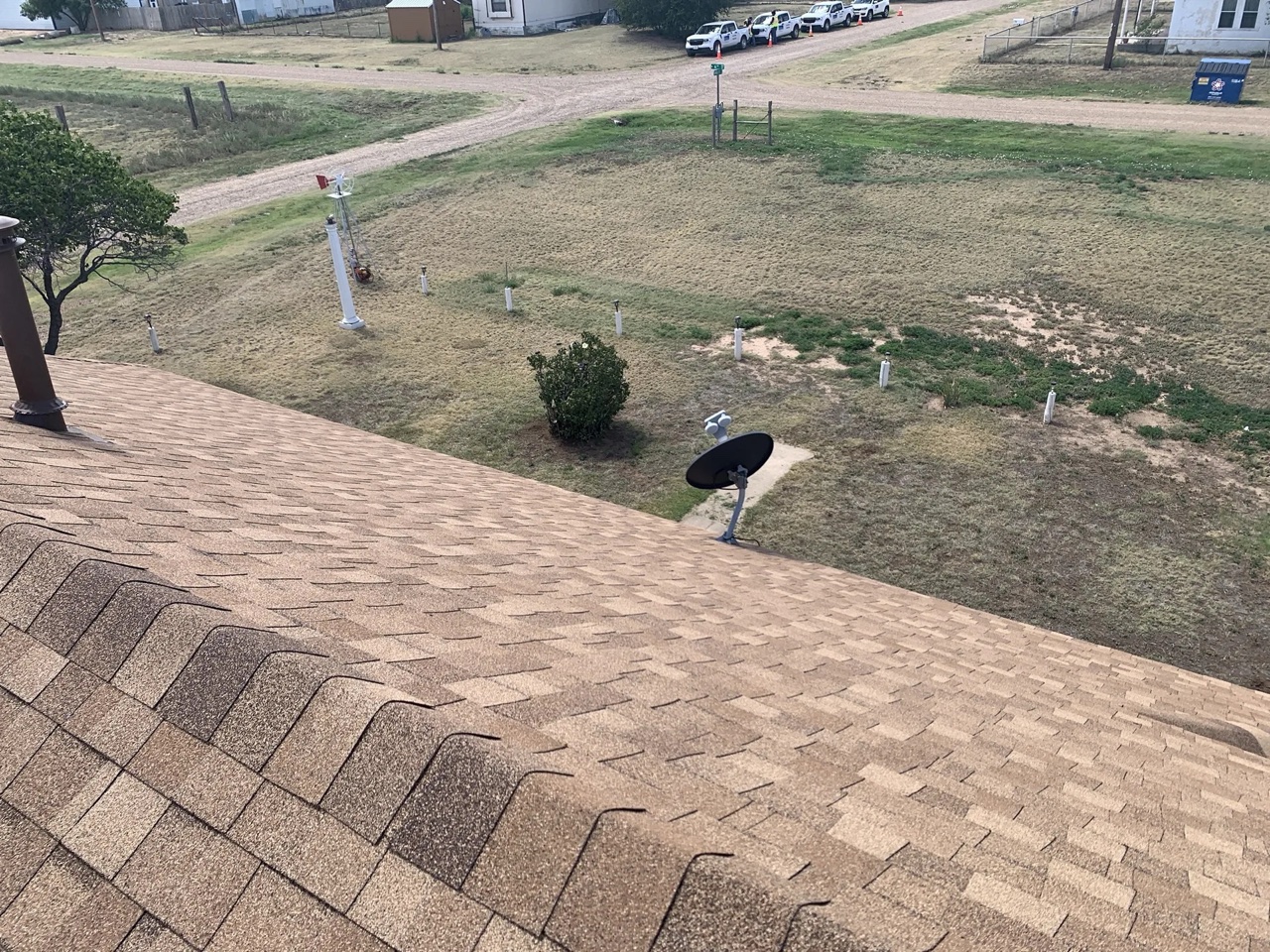
The Texas Panhandle Standard
After the devastating hailstorms that hit Amarillo in recent years, impact-resistant shingles have become the gold standard for residential roofing in the Panhandle. These aren't your grandfather's asphalt shingles.
UL 2218 Class 4 Impact Rating
Class 4 shingles are tested to withstand 2-inch steel balls dropped from 20 feet—simulating golf-ball sized hail. In Amarillo, where hail this size is common, Class 4 shingles often mean the difference between a roof replacement and minor cosmetic damage.
Advanced Installation Methods for Maximum Performance
- Premium Synthetic Underlayment: High-strength synthetic materials that resist tearing in 70+ mph winds common during Texas thunderstorms
- Enhanced 6-Nail Pattern: Exceeds building code requirements with strategic placement for 120+ mph wind resistance and optimal load distribution
- Engineered Ventilation Systems: Ridge and soffit vents calculated to provide 1:300 ventilation ratio, reducing attic temperatures by 30-50°F in Texas heat
- Self-Adhering Ice & Water Shield: Applied to valleys, eaves, and penetration areas for maximum leak protection during ice storms and wind-driven rain
- Architectural Grade Shingles: Minimum 30-year dimensional shingles with enhanced thickness and hail resistance ratings
- Thermal Barrier Technology: Reflective roofing materials and cool roof coatings to reduce cooling costs by up to 25%
- Advanced Flashing Systems: Multi-piece metal flashing at all roof transitions, designed to accommodate thermal expansion and prevent water infiltration
Quality Control and Installation Standards
Our installation process includes multiple quality checkpoints to ensure every shingle installation meets manufacturer specifications and exceeds local building codes. Material delivery inspection verifies impact ratings and manufacturing dates. Installation progress monitoring ensures proper nail placement, alignment, and sealing. Final inspection includes leak testing and warranty documentation.
Weather monitoring during installation is critical in Amarillo's unpredictable climate. We track wind speeds, temperature, and precipitation to ensure optimal installation conditions. Materials are not installed during extreme temperatures, high winds, or precipitation that could compromise adhesion or placement accuracy.
Insurance Savings:
Many insurance companies offer 10-30% discounts on premiums for homes with Class 4 impact-resistant shingles in hail-prone areas like Amarillo.
Standing Seam Metal Roof Installation
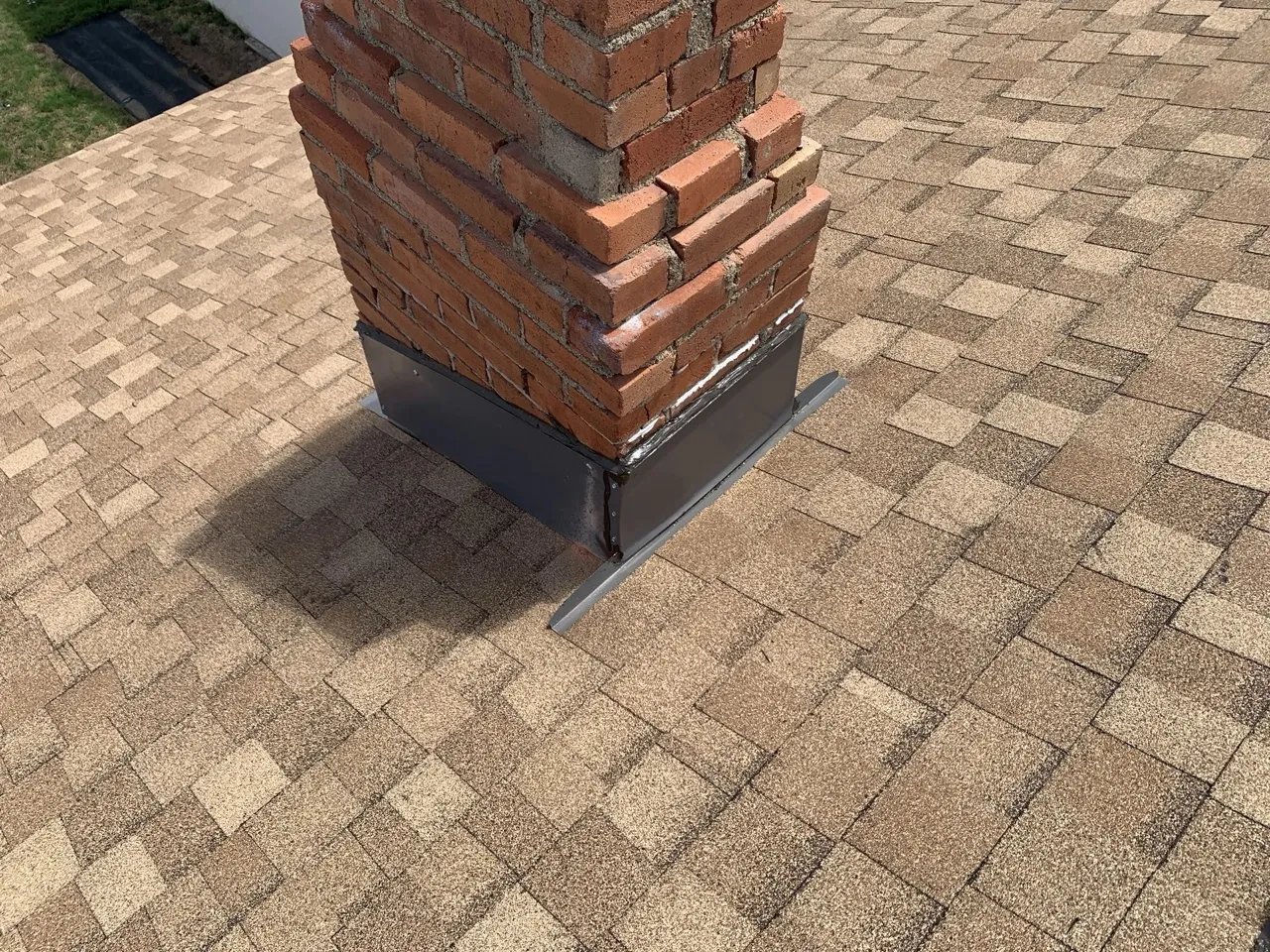
Ultimate Hail Protection
Standing seam metal roofing is rapidly gaining popularity in the Texas Panhandle—and for good reason. It's the most hail-resistant residential roofing system available, with lifespans exceeding 50 years even in Amarillo's harsh climate.
Why Standing Seam Excels in Amarillo
- Hail Impact Resistance: Dents may occur but system remains watertight—no replacement needed
- Wind Resistance: Concealed fasteners withstand 140+ mph winds
- Thermal Movement: Clips allow metal to expand/contract with temperature swings
- Cool Roof Technology: Reflective coatings reduce attic temperatures by 30-50°F
- Fire Resistance: Class A fire rating for insurance benefits
Our Standing Seam Installation Process
Deck Preparation
Install synthetic underlayment over solid deck or purlins for commercial
Panel Installation
Vertical panels with concealed clip system—no exposed fasteners to leak
Seam Sealing
Mechanical seaming creates waterproof connection between panels
Trim & Flashing
Custom metal trim at ridges, valleys, and penetrations—no caulk to fail
TPO & PVC Single-Ply Membrane Installation
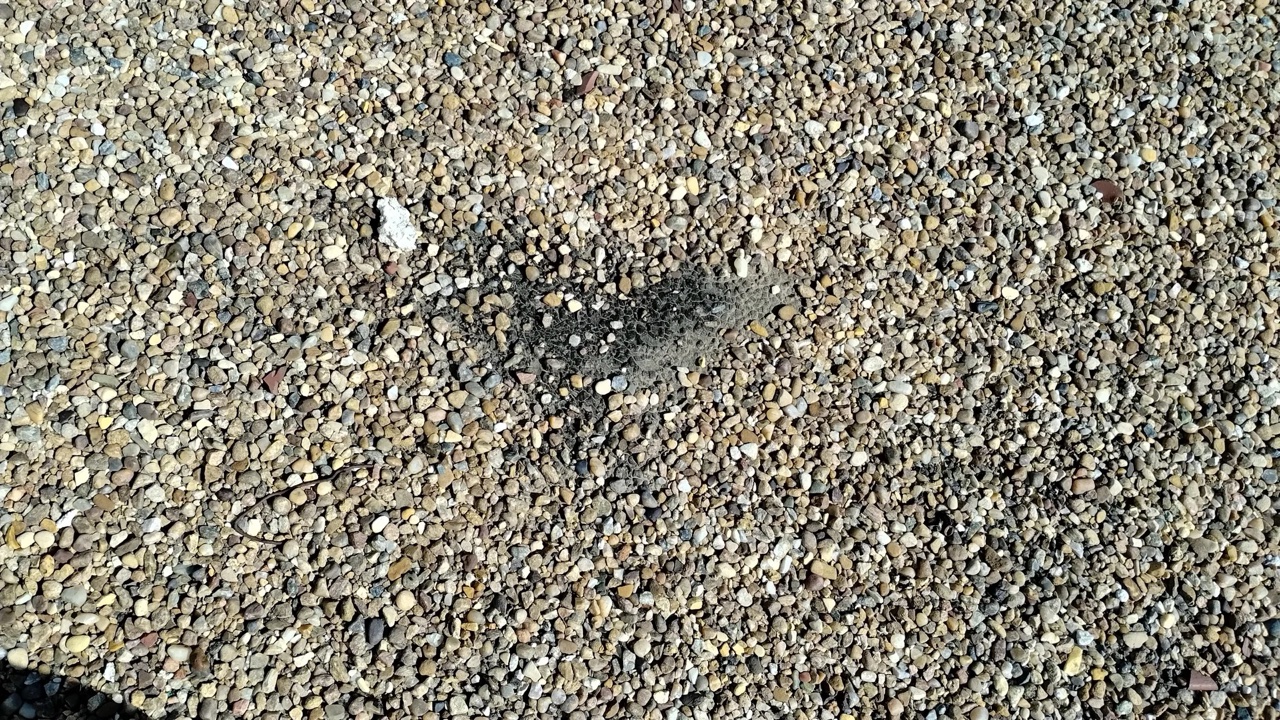
Commercial Flat Roof Solutions
For commercial and industrial buildings in Amarillo, single-ply membranes offer the best combination of hail resistance, longevity, and cost-effectiveness for flat or low-slope roofs.
Heat-Welded Seam Technology
Unlike older EPDM systems that rely on glued seams, TPO and PVC use hot-air welding to fuse seams together. This creates a monolithic (single-piece) roof surface that's virtually impossible to separate—critical for withstanding Amarillo's high winds and hail.
Installation Methods
Fully Adhered
Membrane glued directly to insulation. Best for high-wind areas like Amarillo.
Mechanically Attached
Membrane fastened through insulation to deck. Faster installation, lower cost.
Ballasted
Loose-laid with rock ballast. Good for roofs that can't support fasteners.
Modified Bitumen and Built-Up Roofing Systems
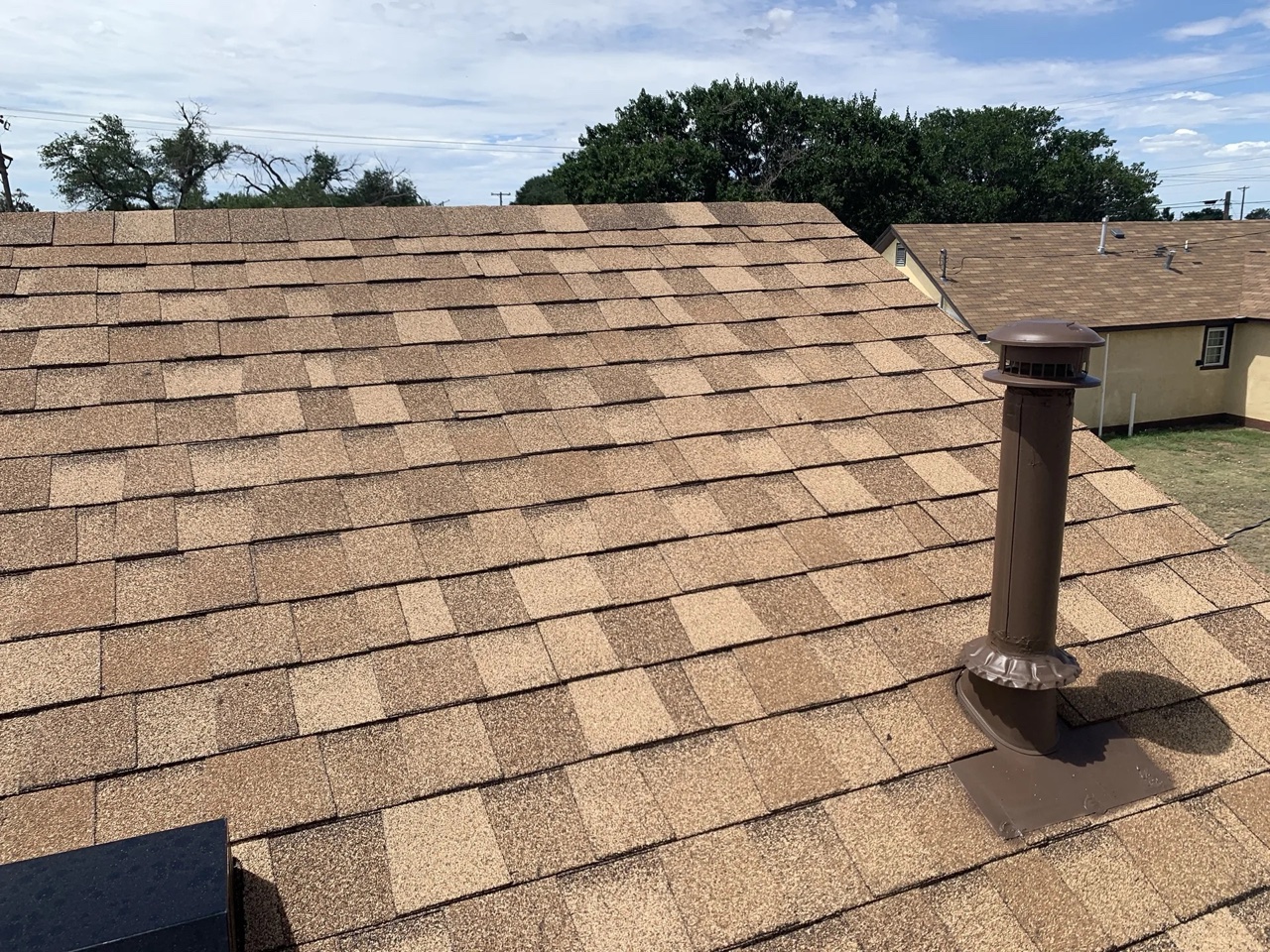
Heavy-Duty Commercial Solutions
For commercial and industrial buildings requiring maximum durability, modified bitumen and built-up roofing (BUR) systems provide time-tested performance in extreme conditions. These multi-layer systems create redundant waterproofing that can withstand mechanical damage, thermal cycling, and severe weather events.
Modified Bitumen Installation Methods
- Torch-Applied Systems: Heat-activated adhesion creates permanent bonds between membrane layers
- Self-Adhering Membranes: Cold-applied systems ideal for buildings with fire restrictions or sensitive contents
- Hot Asphalt Application: Traditional hot mopping provides maximum adhesion and longevity
- Granulated Cap Sheets: UV-resistant mineral granules protect against solar degradation
Built-Up Roofing (BUR) Advantages
BUR systems consist of multiple plies of roofing felt or fabric laminated with hot asphalt or cold adhesive, creating a monolithic waterproof membrane. The redundant layers provide backup protection if one layer is damaged, making BUR systems particularly suitable for high-traffic commercial applications.
Gravel ballast or mineral cap sheets provide additional protection against mechanical damage, UV exposure, and fire. These heavy-duty systems routinely achieve 20-30 year service lives with proper maintenance, making them cost-effective for large commercial buildings.
Advanced Insulation Integration Methods
Energy Efficiency Through Proper Insulation Design
Modern roofing methods integrate advanced insulation systems that dramatically improve energy performance while providing additional structural benefits. Proper insulation installation is critical in Amarillo's climate where cooling costs can represent 40-60% of total energy expenses.
Polyisocyanurate (Polyiso) Insulation
Polyiso insulation boards provide the highest R-value per inch of common roofing insulations, making them ideal for commercial applications where roof thickness is limited. These rigid boards also provide structural benefits, creating a smooth surface for membrane application and additional puncture resistance.
Tapered Insulation Systems
Custom-designed tapered insulation creates positive drainage on flat roofs, eliminating ponding water that can lead to premature membrane failure. Computer-designed taper plans ensure water flows efficiently to drains while maintaining adequate insulation thickness throughout the roof area.
Vapor Barrier Integration
Proper vapor barrier installation prevents moisture migration from building interiors into roofing systems. In Amarillo's climate, where interior humidity control is challenging, vapor barriers prevent condensation within roof assemblies that can cause insulation degradation and structural damage.
Cool Roof Technology and Energy Management
Reducing Energy Costs Through Reflective Technology
Cool roof technology represents one of the most cost-effective building improvements available in hot climates like Amarillo. Reflective roofing materials can reduce roof surface temperatures by 50-70°F compared to traditional dark roofing, translating to substantial energy savings and extended equipment life.
Solar Reflectance Index (SRI) Performance
Cool roof materials are rated using Solar Reflectance Index (SRI) values that measure both reflectance and emittance properties. High SRI materials stay cooler under solar loading, reducing heat transfer to building interiors and decreasing cooling demands.
Cool Roof Coating Systems
Liquid-applied cool roof coatings can transform existing dark roofing into high-performance reflective systems. These coatings provide additional waterproofing while dramatically improving energy performance. Properly applied coatings can extend roof life by 10-15 years while providing immediate energy savings.
ENERGY STAR Compliance and Incentives
Many cool roof materials qualify for ENERGY STAR certification, making them eligible for utility rebates and tax incentives. These programs can offset upgrade costs while providing ongoing energy savings that continue throughout the roof's service life.
Comprehensive Roof Ventilation Systems for Texas Panhandle Climate
Proper roof ventilation represents one of the most critical yet overlooked aspects of roofing performance in Amarillo. With summer attic temperatures routinely exceeding 160°F and potential for ice dam formation during winter weather events, ventilation isn't optional—it's essential for roof longevity, energy efficiency, and indoor comfort.
Inadequate ventilation accelerates shingle aging, increases cooling costs, promotes ice dam formation, and creates moisture problems that can damage structural components. Our ventilation design process calculates exact airflow requirements based on attic square footage, roof configuration, and local climate conditions to ensure optimal performance year-round.
Ridge Vent Systems
Continuous ridge vents along the roof peak provide natural exhaust for heated attic air. We install professional-grade ridge vents with external baffles that prevent weather intrusion while maximizing airflow capacity.
- Wind-powered ventilation increases efficiency
- Weather-resistant construction prevents leaks
- Insect screening blocks pest intrusion
- Seamless integration with roofing materials
Soffit Intake Ventilation
Balanced intake ventilation at soffits creates the airflow necessary for ridge vent function. We ensure minimum 1:300 ventilation ratio (1 square foot of vent area per 300 square feet of attic space) with proper intake/exhaust balance.
- Continuous soffit vents maximize intake area
- Proper baffle installation prevents insulation blocking
- Insect screening protects against pest entry
- Corrosion-resistant materials ensure longevity
Advanced Ventilation Solutions
Powered Exhaust Fans
Solar or electric-powered exhaust fans provide supplemental ventilation for challenging roof configurations or extreme climate conditions.
Turbine Vents
Wind-powered turbine vents create enhanced exhaust capacity for attics requiring additional airflow beyond standard ridge venting.
Hip Roof Ventilation
Specialized ventilation solutions for hip roofs where traditional ridge venting is limited, using combinations of ridge, turbine, and powered vents.
Quality Control and Installation Standards
Ensuring Installation Excellence
Our quality control process ensures every roofing method is implemented according to manufacturer specifications and industry best practices. Multiple inspection checkpoints throughout installation verify material quality, installation technique, and adherence to design specifications.
Material Verification and Testing
All roofing materials undergo inspection upon delivery to verify impact ratings, manufacturing dates, and specification compliance. Materials showing damage, aging, or specification deviations are rejected and replaced before installation begins.
Installation Progress Monitoring
Experienced supervisors monitor installation progress to ensure proper fastening patterns, material placement, and technique compliance. Regular quality checkpoints catch potential issues before they become problems, ensuring consistent excellence throughout the project.
Final Inspection and Testing
Completed installations undergo comprehensive final inspection including leak testing where applicable, fastening verification, and warranty documentation preparation. Our final walkthrough with property owners ensures complete satisfaction before project completion.
Maintenance and Longevity Planning
Maximizing Roof System Performance and Lifespan
Proper maintenance planning begins during installation with system design that accommodates routine maintenance activities. Our maintenance recommendations are tailored to specific roofing methods, local climate conditions, and building usage patterns.
Preventive Maintenance Programs
Regular maintenance extends roof life and prevents minor issues from becoming major problems. Our maintenance programs include annual inspections, cleaning, minor repairs, and documentation that preserves warranty coverage while identifying potential issues early.
Storm Damage Assessment and Response
Post-storm inspections are critical in hail-prone areas like Amarillo. Our rapid response team can assess storm damage, provide temporary protection if needed, and coordinate with insurance adjusters to ensure proper claim documentation and repair authorization.
Long-Term Performance Monitoring
Understanding how roofing systems perform over time helps optimize future installations and maintenance planning. Our long-term monitoring includes performance tracking, wear pattern analysis, and recommendations for system improvements or replacements.
Serving Texas Panhandle & West Texas
Advanced roofing methods and professional installation throughout the region:
Get Your Free Roof Assessment Today
Serving Amarillo and the entire Texas Panhandle with expert roofing services and hail damage repair. Most homeowners insurance policies in the Texas Panhandle cover hail damage, and we work directly with all major insurance companies to ensure you receive the full coverage you deserve