What Are Asphalt Shingles? A Homeowner's Guide
Asphalt shingles are roofing tiles made from fiberglass, asphalt, and granules. Learn the types, their differences, and what matters on a Panhandle roof.
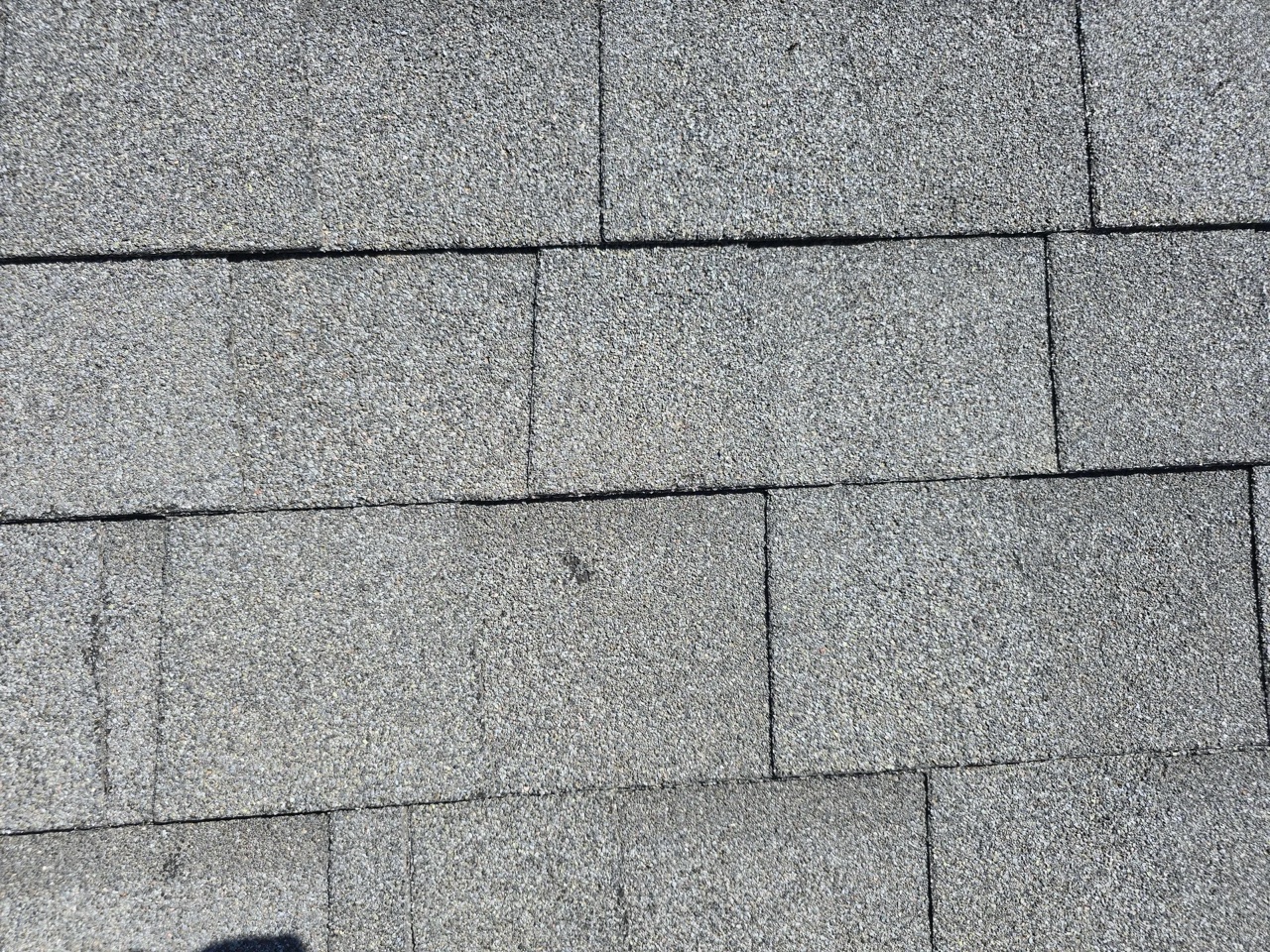
Asphalt shingles are roofing tiles made from three bonded layers: a fiberglass mat base, a waterproofing asphalt coat, and ceramic-coated mineral granules pressed into the surface. They are the most common residential roofing material in the United States — and for good reason. They're cost-effective, available in dozens of colors, and when the right grade is chosen, they hold up well against the hail and wind that hammers the Texas Panhandle every spring and summer.
How Asphalt Shingles Are Made
Every asphalt shingle starts with a fiberglass mat base — a woven glass-fiber sheet that gives the shingle its structural backbone. The mat is then saturated and coated with modified asphalt, which provides waterproofing and flexibility in temperature extremes. Finally, ceramic-coated granules are pressed into the top surface. Those granules do three things: protect the asphalt from UV degradation, provide fire resistance, and give the shingle its color.
There are two main types sold in residential roofing today:
- Three-tab shingles — a single-layer sheet with cutouts that make it look like three individual tiles. Lighter weight, lower cost, but shorter lifespan (15–20 years) and rated for lower wind speeds.
- Architectural (dimensional) shingles — two layers laminated together, creating a thicker, shadow-line profile. Rated for 25–30 years and significantly more resistant to wind and impact. This is the standard for new residential roofs.
Impact Resistance — What Class 4 Actually Means
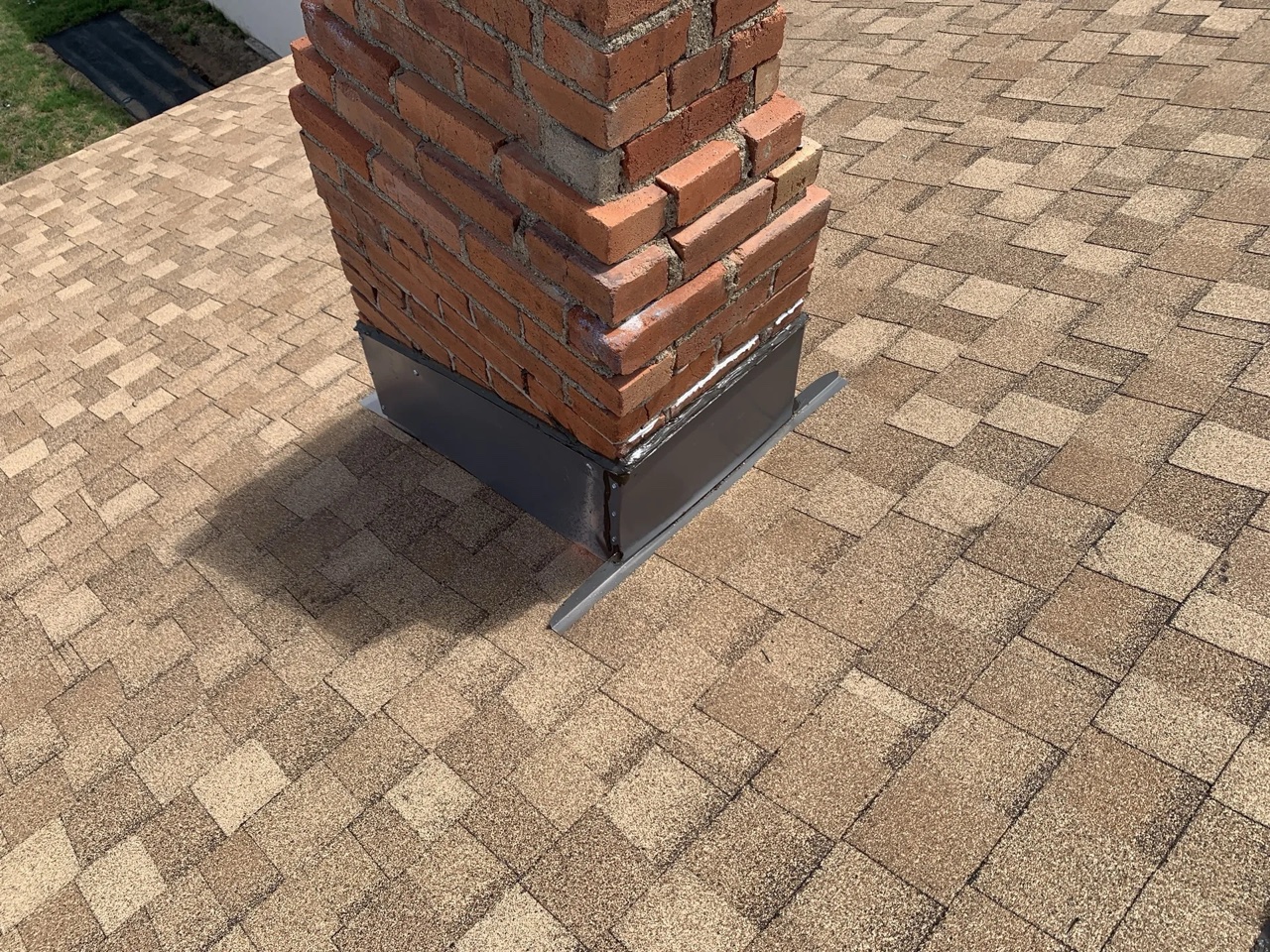
If you live in Amarillo or anywhere in Potter County, impact resistance isn't a luxury upgrade — it's the practical choice. Potter County ranks in the top 10 nationally for hail frequency. The area has logged 131 hail days since 2000, averages 8 to 12 hailstorms per year, and saw its largest recorded stone hit 4.25 inches (softball-size) in May 2019.
The UL 2218 standard from the Insurance Institute for Business & Home Safety classifies shingles on a 1–4 scale based on steel ball drop tests. Class 4 — the highest rating — requires a shingle to survive a 2-inch steel ball dropped from 20 feet without cracking or fracturing. That simulates the kinetic energy of a 2-inch hailstone at storm speed.
In practical terms, Class 4 shingles resist granule loss and surface cracking after hail, which extends the roof's functional life and reduces the frequency of insurance claims. Many Texas insurers offer a premium discount for verified Class 4 roofs — worth asking your agent about before your next renewal.
What to Look for When Choosing Asphalt Shingles in the Panhandle
Not all architectural shingles are equal. Here's what matters most in this climate:
- UL 2218 Class 4 rating — the non-negotiable starting point for hail exposure in this region.
- Wind rating — look for 110 mph minimum; 130 mph or higher for added peace of mind during severe thunderstorm season.
- Algae resistance — copper-infused or zinc granules prevent the black streak staining common on north-facing roof sections.
- Manufacturer warranty — most quality architectural shingles carry a limited lifetime warranty, but read the fine print on prorated coverage after year 10.
- Contractor installation standards — even the best shingle fails early if starter strips are skipped, nail placement is wrong, or overhangs aren't set correctly. Ask your roofer to walk you through their installation checklist.
What the Texas Panhandle Does to Asphalt Shingles
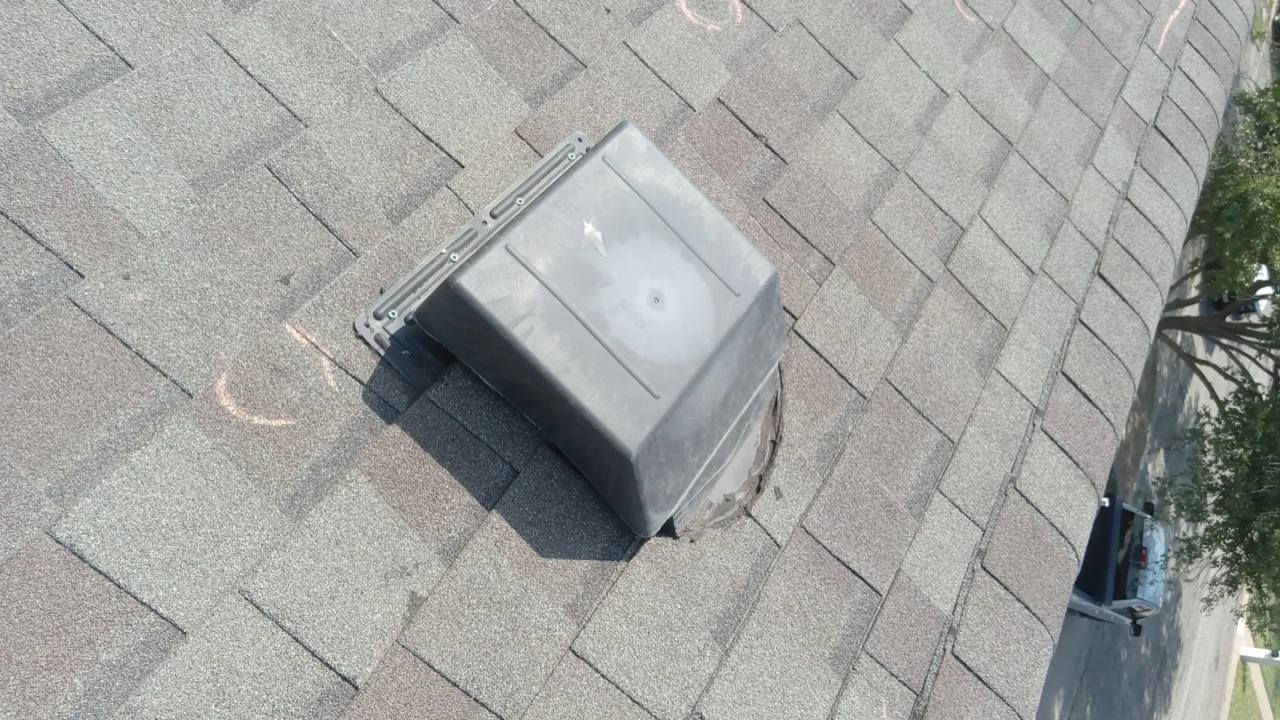
Amarillo sits at 3,600 feet elevation where dry desert air collides with Gulf moisture — the combination that makes Hail Alley. That same elevation and semi-arid climate also drives wide daily temperature swings, which repeatedly flex shingles through their thermal expansion cycle. UV exposure at altitude accelerates granule breakdown faster than at lower elevations.
The result: a standard three-tab shingle that might last 20 years in a milder climate may need replacement in 12–15 years here. Architectural Class 4 shingles installed by an experienced Panhandle contractor are the practical answer — 5 Star Commercial Roofing has been installing and replacing them in this region for 11 years.
Ready to talk about asphalt shingles for your roof? Call us at (806) 622-6041 or visit our asphalt shingle roofing page to learn about current options. If you think you may have storm damage, our roof replacement team can inspect and walk you through the insurance process — no obligation.
Frequently Asked Questions
What is the lifespan of asphalt shingles?
Three-tab shingles typically last 15–20 years. Architectural (dimensional) shingles are rated for 25–30 years under normal conditions. In hail-prone areas like Amarillo, impact-resistant Class 4 shingles can extend usable life significantly by resisting granule loss and cracking from hail strikes.
What is the difference between 3-tab and architectural shingles?
Three-tab shingles are a single flat layer cut to look like three separate tiles. Architectural shingles are laminated from two layers bonded together, which creates a dimensional shadow-line look and roughly doubles the wind and impact resistance. Architectural shingles are now the standard choice for residential roofs.
What does Class 4 impact-resistant mean for asphalt shingles?
Class 4 is the highest rating under the UL 2218 impact test standard. A shingle earns Class 4 by surviving a 2-inch steel ball dropped from 20 feet without cracking — which simulates a 2-inch hailstone traveling at storm speed. In Texas, many insurers offer a premium discount for Class 4 shingles.
Can asphalt shingles handle Amarillo wind?
Yes, when properly installed. Standard architectural shingles are rated for winds up to 110–130 mph. Impact-resistant architectural shingles often carry 130 mph or higher wind ratings. With Amarillo averaging 14.3 mph sustained winds and frequent storm gusts, proper installation — starter strips, full nail pattern, correct overhang — matters as much as the shingle rating.
How do I know if my asphalt shingles need to be replaced?
Key signs include widespread granule loss in gutters or at downspout outlets, curling or cupping at shingle edges, visible cracking or blistering, daylight visible in the attic, or a roofline that sags. After a hail event in the Panhandle, have a qualified roofer inspect before filing an insurance claim — storm damage often isn't visible from the ground.
Related Guides
Need a roof inspection?
Free, no-pressure roof inspections from a locally owned Amarillo company. We'll walk you through exactly what we find — with photos.