Commercial Roof Tear-Off vs. Recover: How to Decide
A recover skips tear-off and disposal cost, but code only allows it under specific conditions. Here's how to know which option your commercial roof qualifies for.
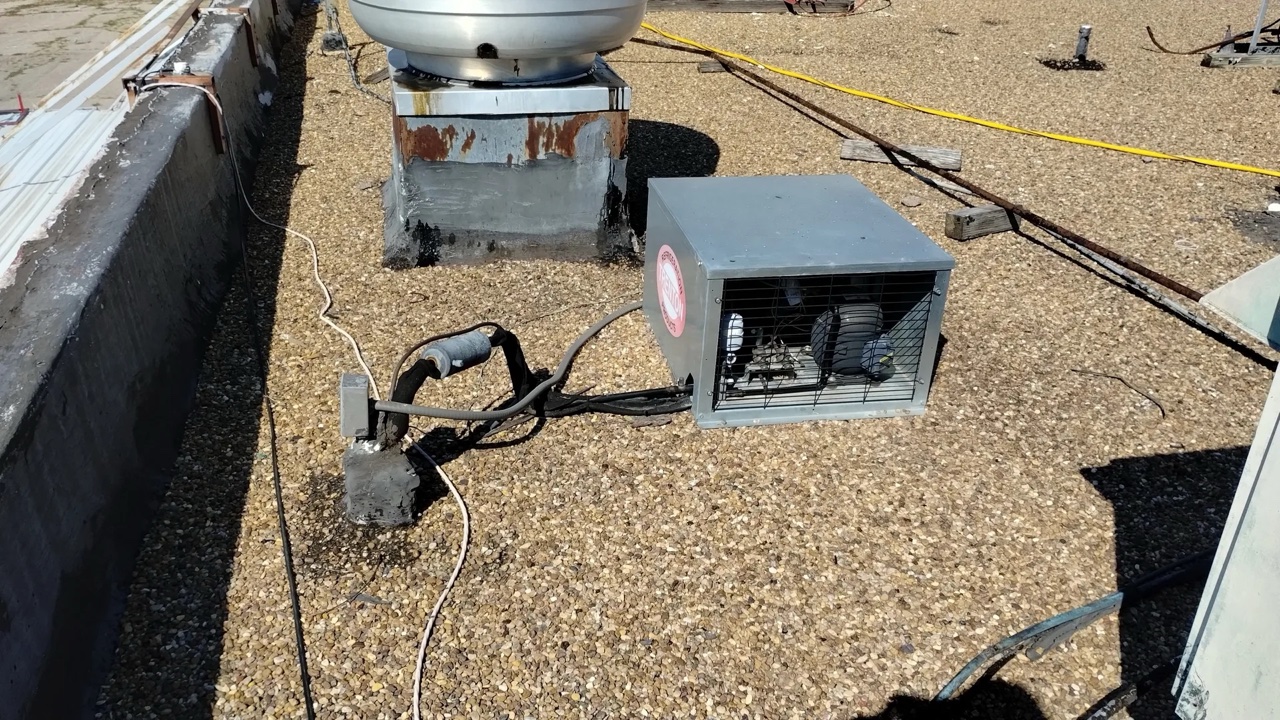
A recover means installing a new roof covering directly over the existing one; a tear-off means stripping the building down to the deck first. The decision comes down to three things a roofer has to verify before quoting either option: how many roof covering layers are already up there, whether the insulation underneath is dry, and whether the deck itself is sound. Get any of those wrong and a recover stops being a cost-saver and turns into a second roof job a few years early.
What a Recover Actually Is
A recover installs new roofing material — membrane, insulation board, or both — directly over what's already on the building, instead of removing the existing covering down to the deck first. On a low-slope commercial building, that usually means new TPO or modified bitumen going over the existing built-up or single-ply system, sometimes with a layer of insulation board in between to improve the substrate.
The appeal is straightforward: no tear-off labor, no dumpster full of old membrane and gravel, no disposal fees, and typically a shorter install window since crews aren't demoing before they build. Skipping tear-off and haul-off is the single biggest driver of a recover's lower bid.
The Code Limit on Roof Layers
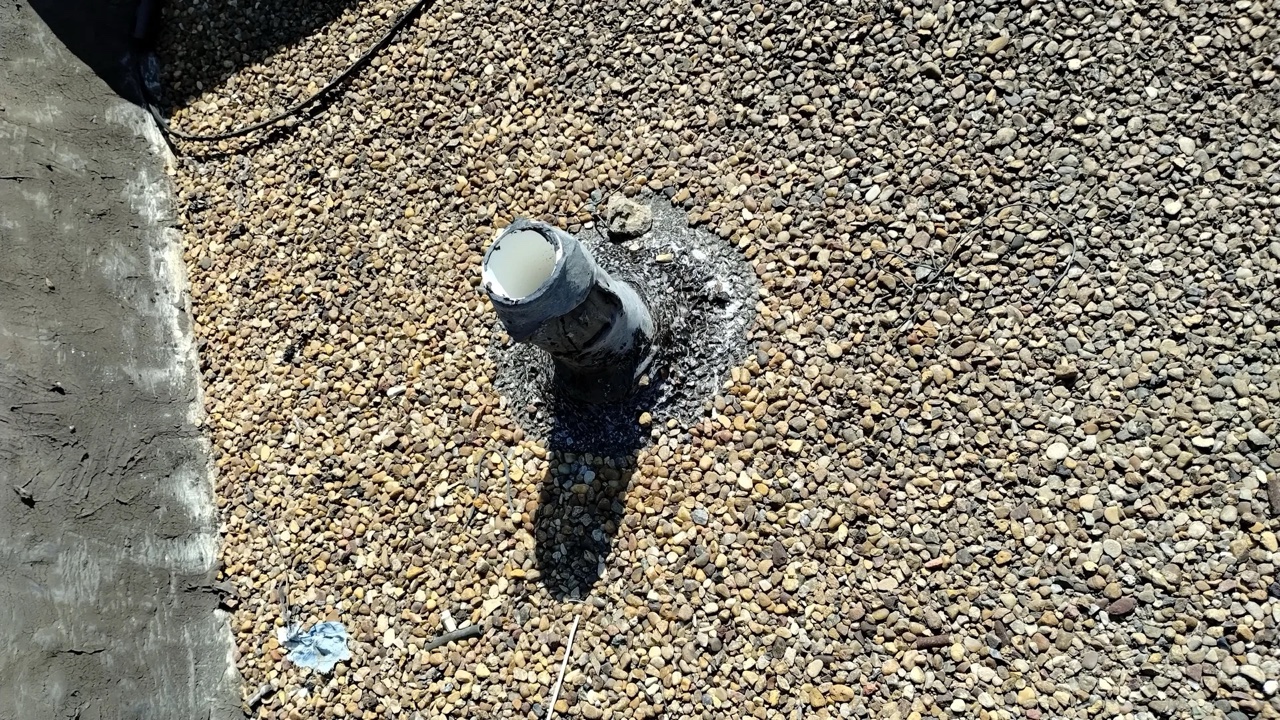
Building code doesn't leave the layer question up to judgment. Under the International Building Code, Section 1511.3, a building official can require complete removal of existing roof covering layers under several specific conditions — the one that trips up the most owners is when the existing roof already has two or more applications of any type of roof covering. If the roof's been recovered once already, that's the second layer. A third isn't something a bid can quietly work around; it's a tear-off.
That's why the first thing a roofer needs to determine isn't the membrane type — it's the roof's history. Buildings reroofed more than once, or recovered years ago with no records kept, need that layer count physically verified with a core cut before a recover bid means anything.
When Saturated Insulation Rules Out a Recover
Layer count isn't the only disqualifier. The same code section requires tear-off when the existing roof or roof covering is water-soaked or has deteriorated to the point that it's no longer an adequate base for new roofing — regardless of how many layers are present. Wet insulation under a membrane doesn't dry out on its own once it's sealed under a new roof system; it stays wet, it can't insulate the way it's supposed to, and it accelerates deck rot underneath.
This is usually caught one of two ways: core cuts at several locations across the roof field, or an infrared moisture scan that shows wet insulation as a heat-retention pattern after sundown. A roof with a documented history of leaks, ponding water, or previous patch repairs is a candidate for a moisture survey before anyone talks about a recover price. Roofing over saturated insulation to save the tear-off cost just relocates that cost to an emergency repair, or a full replacement, a few years sooner than it should have happened.
Deck Condition and Structural Load
Even with a clean layer count and dry insulation, a recover adds weight to a roof structure that was engineered for a specific load. A new membrane over an existing built-up gravel roof, or a new insulation board layer stacked on top of the old one, adds dead load the original structural design accounted for — or didn't. On older commercial buildings in the Panhandle, especially ones that have already carried a recover once, that's worth a structural check before assuming the frame can carry another layer, particularly if the new system specifies heavier insulation board or ballast.
Deck condition matters separately from load. A recover only works if the deck underneath is structurally sound — no rot, no delamination, no fastener pull-through from age or prior wind events. A roofer can't check that from above without pulling back the existing covering at sample points, which is part of why a legitimate recover quote starts with a roof inspection, not a drive-by estimate.
Warranty Implications
A tear-off with new deck-to-membrane installation typically qualifies for a manufacturer's full system warranty, because the manufacturer can verify every component in the assembly. A recover installs new material over an unknown quantity, so manufacturers often require core sampling or a moisture survey before extending full warranty terms, and coverage can run shorter than what's available on a full replacement. Get the warranty language in writing before comparing a recover bid to a tear-off bid on price alone — a lower number attached to a shorter warranty isn't automatically the better deal.
How the Decision Changes the Roof's Service Life
A properly executed tear-off resets the clock — new deck inspection, new insulation, new membrane, full warranty eligibility. A recover, done on a roof that qualifies for one, extends service life at a lower upfront cost but starts that clock from wherever the existing roof's condition actually was, not from zero. On a roof with one clean layer, a dry substrate, and a sound deck, a recover is a legitimate way to add years of usable service life without paying for a full tear-off. On a roof already carrying two layers, wet insulation, or deck damage, a recover isn't cheaper — it's a shorter-lived roof that still needs a tear-off eventually, with the recover's cost added on top.
Amarillo-Specific Considerations
Potter County sees 8-12 hailstorms a year and ranks in the top 10 nationally for hail frequency, so commercial roofs here accumulate impact damage and repair patches faster than in milder climates. A building with a history of storm repairs is more likely to already be carrying an extra layer, or to have isolated wet insulation under a patched area, than a comparable roof elsewhere — which makes the core-cut-and-inspect step less optional here than it might be somewhere else. A roof that looks intact from the parking lot can tell a very different story once someone's standing on it with a coring tool.
Not sure which option your building qualifies for? Call (806) 622-6041 or schedule a commercial roof inspection and we'll verify layer count, insulation condition, and deck condition before recommending either one.
Frequently Asked Questions
Is a recover always cheaper than a tear-off?
Upfront, almost always — you're skipping demolition labor and disposal fees for the old roof covering. But a recover adds weight and a layer of uncertainty about what's underneath. If it fails early because the deck or insulation underneath was already compromised, you pay for two roofs instead of one.
How many roof coverings can a commercial building legally have before a recover is off the table?
Building code limits low-slope commercial roofs to two layers of roof covering. If your building already has two applications on it, whether from a prior recover or age, code requires a full tear-off to the deck on the next reroof — no exceptions for a third layer.
Can we recover over wet insulation to save money now and deal with it later?
No. Code doesn't allow recovering over roof insulation that's water-soaked or deteriorated to the point it can't serve as an adequate base for new roofing. This isn't a gray area for inspectors — wet insulation found during a core cut or infrared moisture survey forces tear-off regardless of layer count.
Does a recover come with the same warranty as a tear-off and replacement?
Rarely the same terms. Manufacturers typically require inspection or core sampling of the existing roof before extending a full system warranty over a recover, and some material and workmanship terms run shorter than what you'd get on a tear-off with new deck-to-membrane installation. Ask for the warranty language in writing before you compare a recover bid to a tear-off bid on price alone.
Who decides whether our building qualifies for a recover?
A commercial roofer needs to physically verify layer count, deck condition, and insulation moisture before quoting either option — not guess from the ground or from a satellite photo. That typically means core cuts at a few sample locations and, on a roof with any history of leaks, a moisture scan across the field.
Related Guides
Need a roof inspection?
Free, no-pressure roof inspections from a locally owned Amarillo company. We'll walk you through exactly what we find — with photos.