How to Spot Hail Damage on Your Pampa Roof (And What to Do About It)
Learn how to identify hail damage on a Pampa, TX roof, what Texas insurance law requires for storm claims, and when to call a roofer for a free inspection.
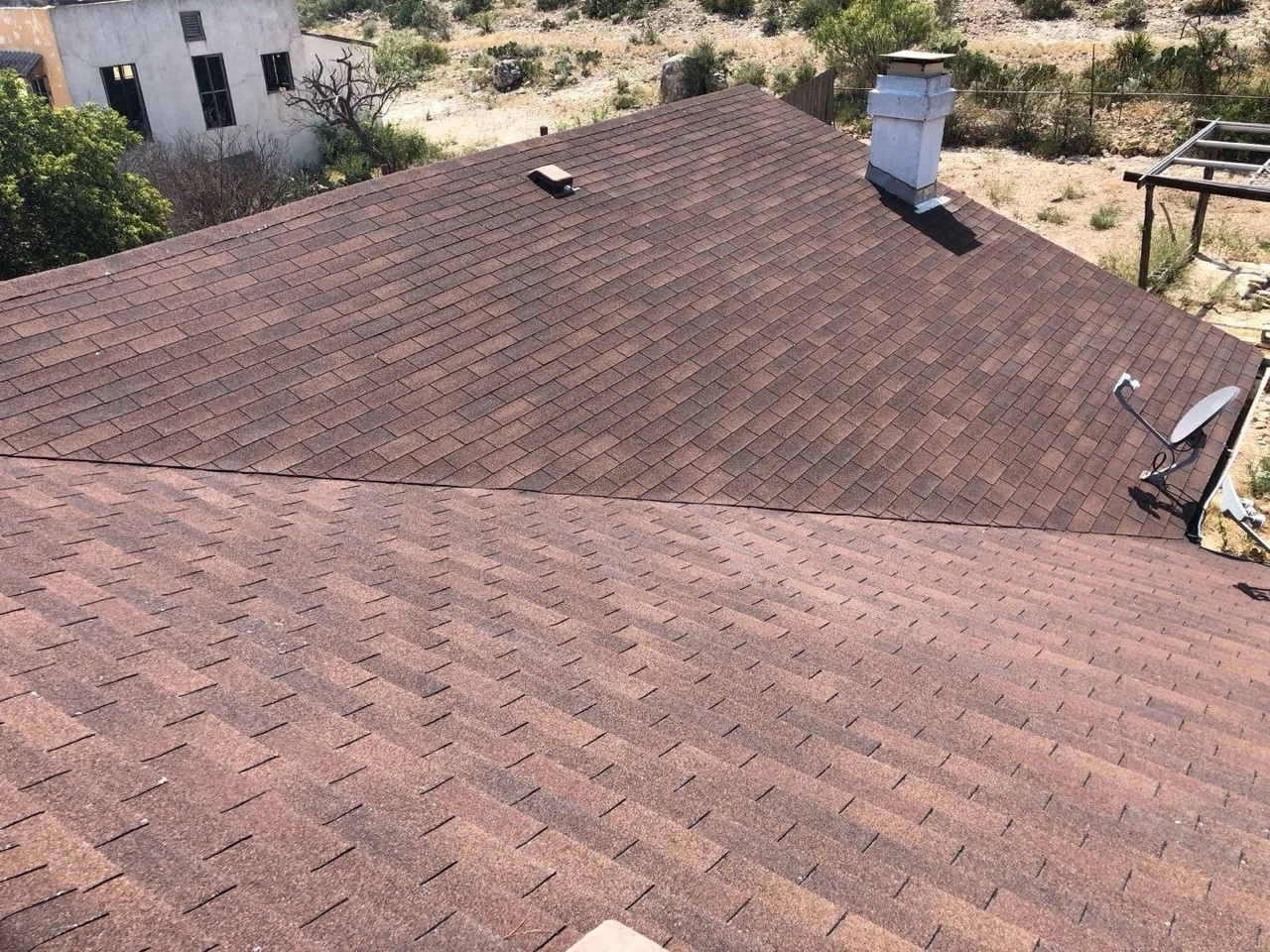
Hail damage on a roof usually doesn't look like the disaster movies suggest — it's granule loss, bruised mats, and cracked seals that are easy to miss from the ground. If you're in Pampa and just came through a hailstorm, the fastest way to know if your roof took a hit is to check for dark, soft-looking dents on the shingles and granules collecting in your gutters and downspouts. Catching it early matters, because minor hail bruising left alone turns into leaks once the shingle mat is exposed to sun and moisture.
What Hail Damage Actually Looks Like
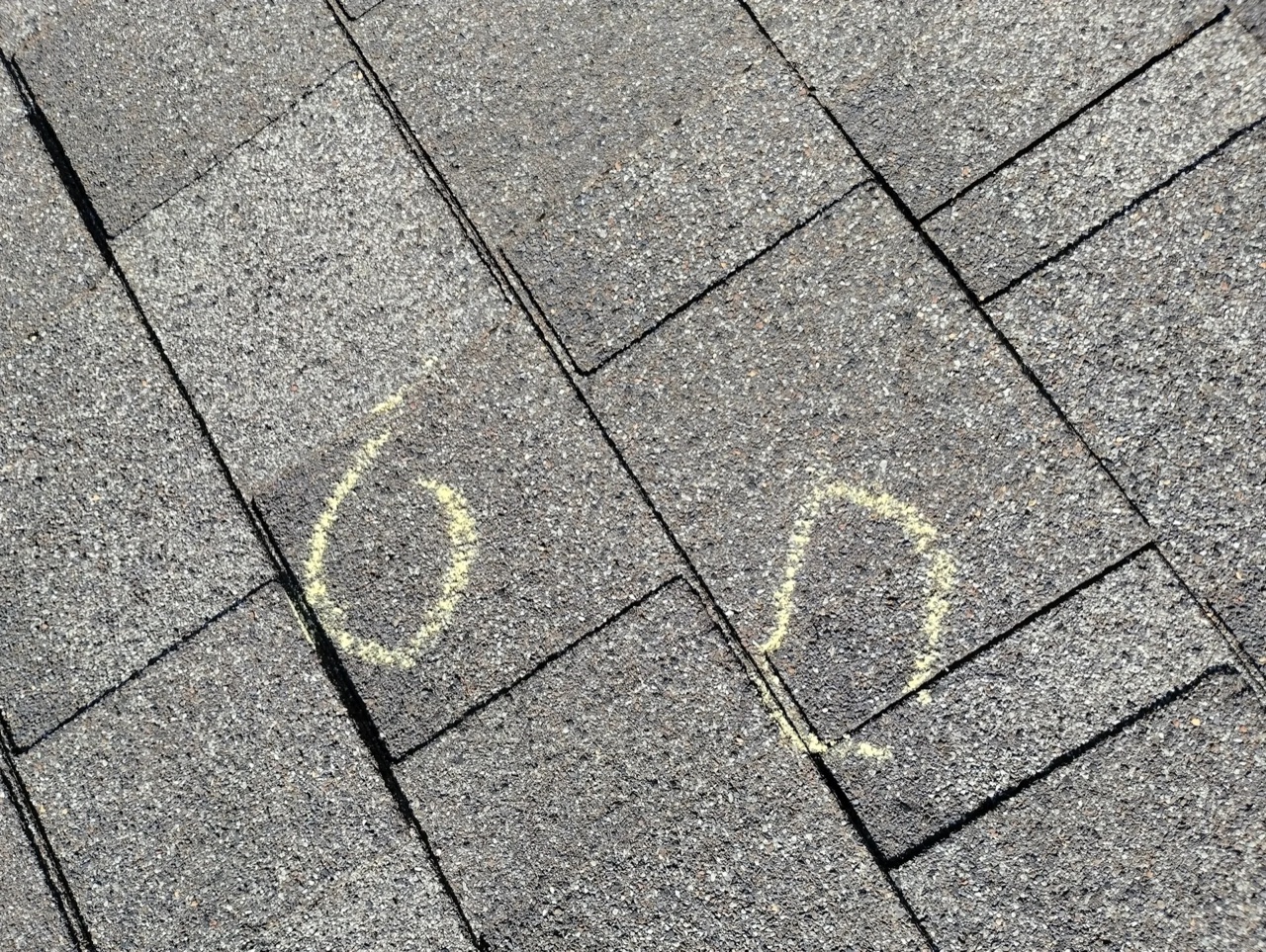
Hail rarely punches a hole straight through a shingle. More often it leaves a bruise — a soft spot where the impact knocked granules loose and cracked the asphalt mat underneath. From the ground, that can look like a slightly darker or shinier patch on the shingle. Up close, you'll see random, scattered dents rather than the uniform wear pattern of normal aging.
Other signs worth checking: soft metal on gutters, downspouts, and roof vents (hail dents metal before it visibly damages shingles), cracked or missing pieces on ridge caps, and granules pooling at downspout outlets after a storm.
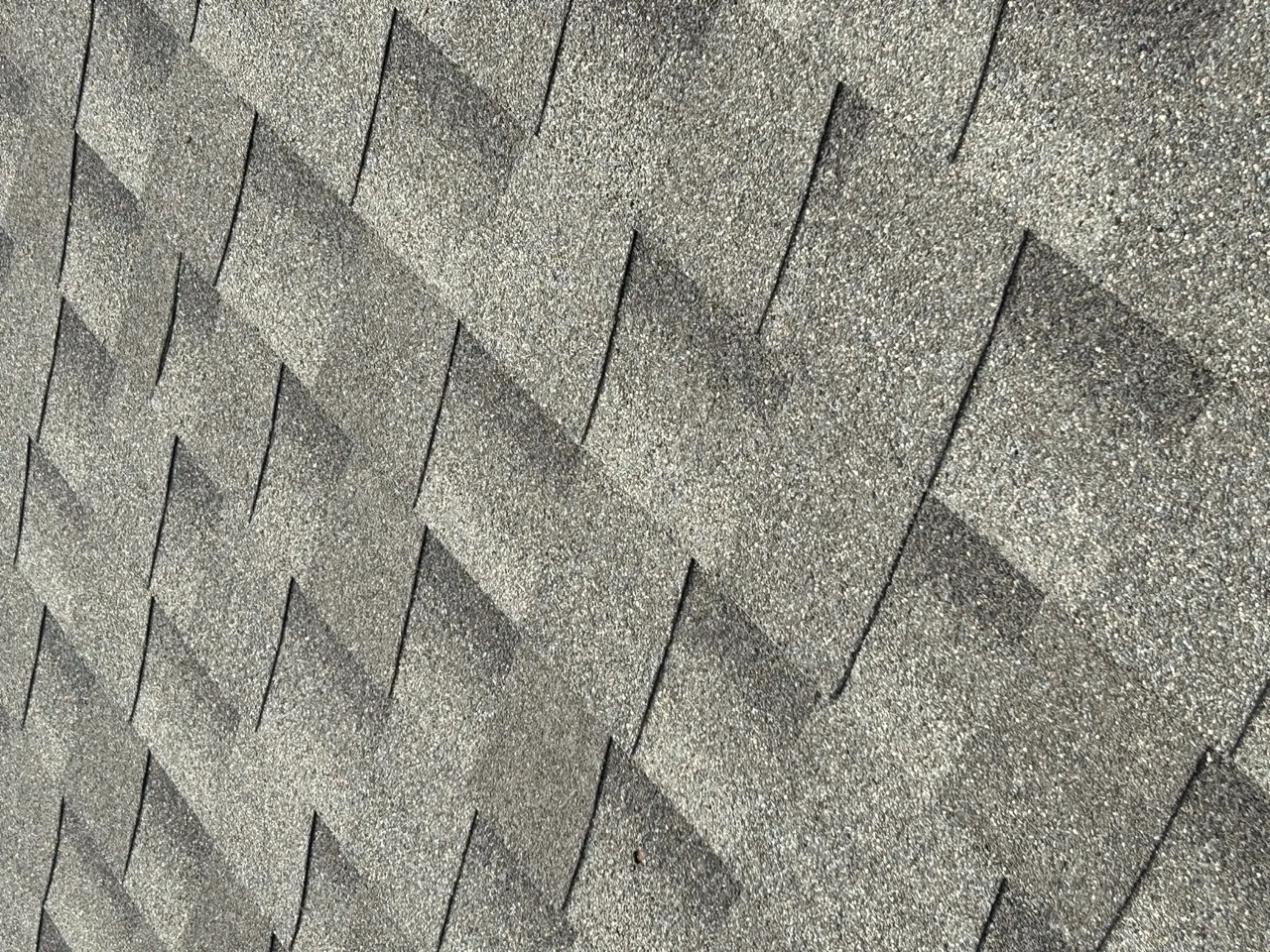
Because most of this damage sits at eye level with a drone or a trained inspector — not from the driveway — a DIY look from the ground will usually miss it. If you're unsure after a storm, that's exactly what a free inspection is for.
What to Do After a Hailstorm
- Document what you can see safely from the ground — photos of dented gutters, downspout granule buildup, and any visible shingle damage.
- Get a professional inspection before filing anything. An inspector can confirm whether the damage is cosmetic or a covered loss, and give you a written report to attach to a claim.
- Notify your insurer promptly. Under the Texas Prompt Payment of Claims Act, insurers must acknowledge your claim within 15 days and pay or deny it within 60 days once you've submitted proof of loss — and you generally have up to two years from the date of loss to file. Delayed payments after that window can accrue 18% annual interest.
- Keep the inspection report and photos in case the claim is disputed or you need a second opinion.
Hail-Damage Considerations Specific to Pampa
Pampa sits in the Texas Panhandle, a stretch of the state that meteorologists sometimes call Hail Alley — the collision of dry desert air moving east and Gulf moisture pushing north produces some of the most hail-active weather in the country. Panhandle communities like Pampa have logged 131 hail days since 2000, with an average of 8 to 12 hailstorms a year, and the region has recorded hail as large as 4.25 inches — softball-sized — in a single event. That frequency is why roof inspections after a storm aren't optional caution here; they're routine maintenance.
If you're planning a roof replacement rather than a repair, it's worth asking your contractor about Class 4 impact-resistant shingles, the highest rating under the UL 2218 test standard. A Class 4 shingle has to survive a 2-inch steel ball dropped from 20 feet without breaching — a meaningfully tougher bar than standard shingles, and relevant given how often Panhandle roofs take a hit.
Repair or Full Replacement?
Not every hail-damaged roof needs to come off. If the damage is limited to a section or two — a few dozen bruised shingles on one slope, for example — a targeted repair can restore the roof's protection without the cost of a full tear-off. A repair usually makes sense when the roof is younger, the damage is contained, and the surrounding shingles are still sealing properly.
Full replacement becomes the better call when hail hit the roof broadly rather than in one spot, when the roof was already close to the end of its expected lifespan, or when an inspector finds damage on multiple layers (shingles, underlayment, and decking). An experienced inspector should be able to tell you which situation you're in and explain why — not just recommend the more expensive option by default. Ask for photos of the specific damage points, not just a verbal summary, so you can see what they saw.
Think your Pampa roof took hail damage? Get a free inspection. Call (806) 622-6041 or request a free hail damage inspection. You can also schedule a general roof inspection if you're not sure which service you need yet.
Frequently Asked Questions
Can hail damage a roof even if I don't see missing shingles?
Yes. Most hail damage is granule loss and bruising, not missing shingles. The mat underneath can be exposed or weakened without a single shingle blowing off, and that damage still shortens the roof's life and can still qualify for a claim.
How soon after a hailstorm should I get my roof inspected?
As soon as it's safe to do so, ideally within a few days. Damage assessment gets harder as debris settles and granules wash into gutters, and insurers expect prompt notice of a claim.
Does a hail-damage roof inspection cost anything?
5 Star Commercial Roofing offers free hail-damage inspections in Pampa and across the Panhandle. You're not obligated to file a claim or hire us just because we came out and looked.
What's a Class 4 shingle and is it worth it in Pampa?
Class 4 is the highest impact-resistance rating under UL 2218, meaning the shingle withstood a 2-inch steel ball dropped from 20 feet without breaching. Given how often the Panhandle sees hail, it's worth asking about when you're due for a replacement — some insurers also offer a premium discount for Class 4 roofs.
Will my insurance rates go up if I file a hail claim?
Hail is a weather event, not an at-fault claim, so a single hail claim typically doesn't raise your individual rate the way an at-fault claim would. Rates in hail-prone areas like the Panhandle are already priced with storm frequency in mind.
Related Guides
Need a roof inspection in Pampa?
Free, no-pressure roof inspections from a locally owned Amarillo company. We'll walk you through exactly what we find — with photos.