How Long Does a Roof Last? Lifespans of Every Common Material
Most asphalt shingle roofs last 20–30 years, but Texas Panhandle hail and wind cut that short. Learn what to expect from every common roof material.
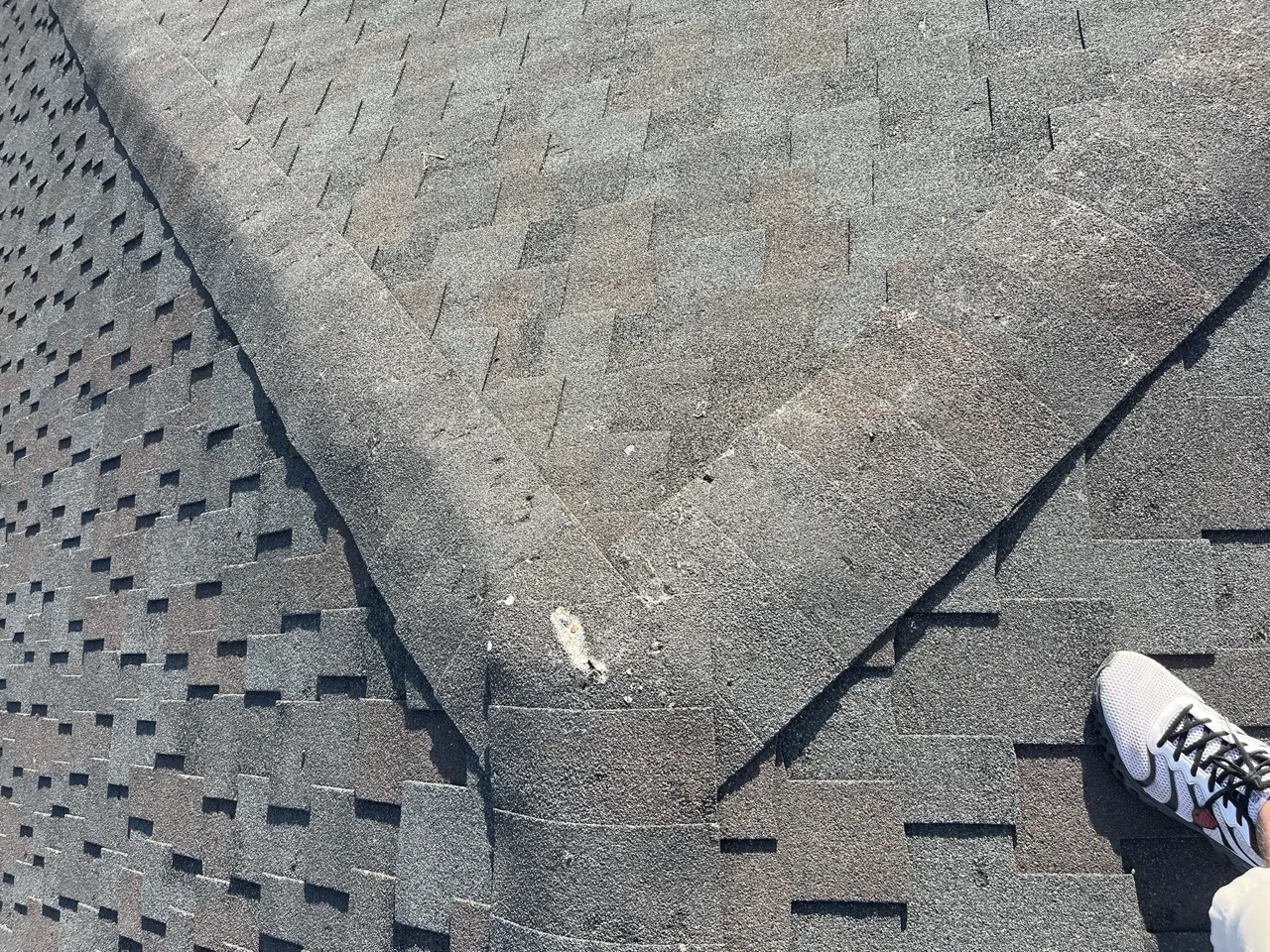
Most asphalt shingle roofs last 20–30 years under normal conditions — but in the Texas Panhandle, normal conditions include softball-sized hail, sustained winds averaging 14.3 mph, and UV exposure amplified by 3,600 feet of elevation. Those factors matter. Understanding how long your specific roof material lasts, and what shortens that window, is the difference between proactive planning and an emergency call mid-storm season.
How Long Each Roof Material Lasts
Not all roofs age at the same rate. Lifespan varies by material, and each one responds differently to heat, hail, and wind.
Three-tab asphalt shingles are the thinnest and least expensive option. They carry manufacturer warranties of 20–25 years, though field life often runs shorter in harsh climates. They're a single-layer product with minimal impact resistance — the first to show granule loss after hail impact.
Architectural (dimensional) asphalt shingles are the most common residential roofing material in this region. They're thicker, laminated, and typically warrantied for 25–30 years by manufacturers such as Owens Corning and CertainTeed. The National Roofing Contractors Association (NRCA) publishes installation standards that directly affect how close to that warranty ceiling a roof actually performs. A well-installed architectural shingle roof in a moderate climate reliably hits the 30-year mark. In the Panhandle, plan for the lower end of that range unless you're staying current on inspections and minor repairs after storms.
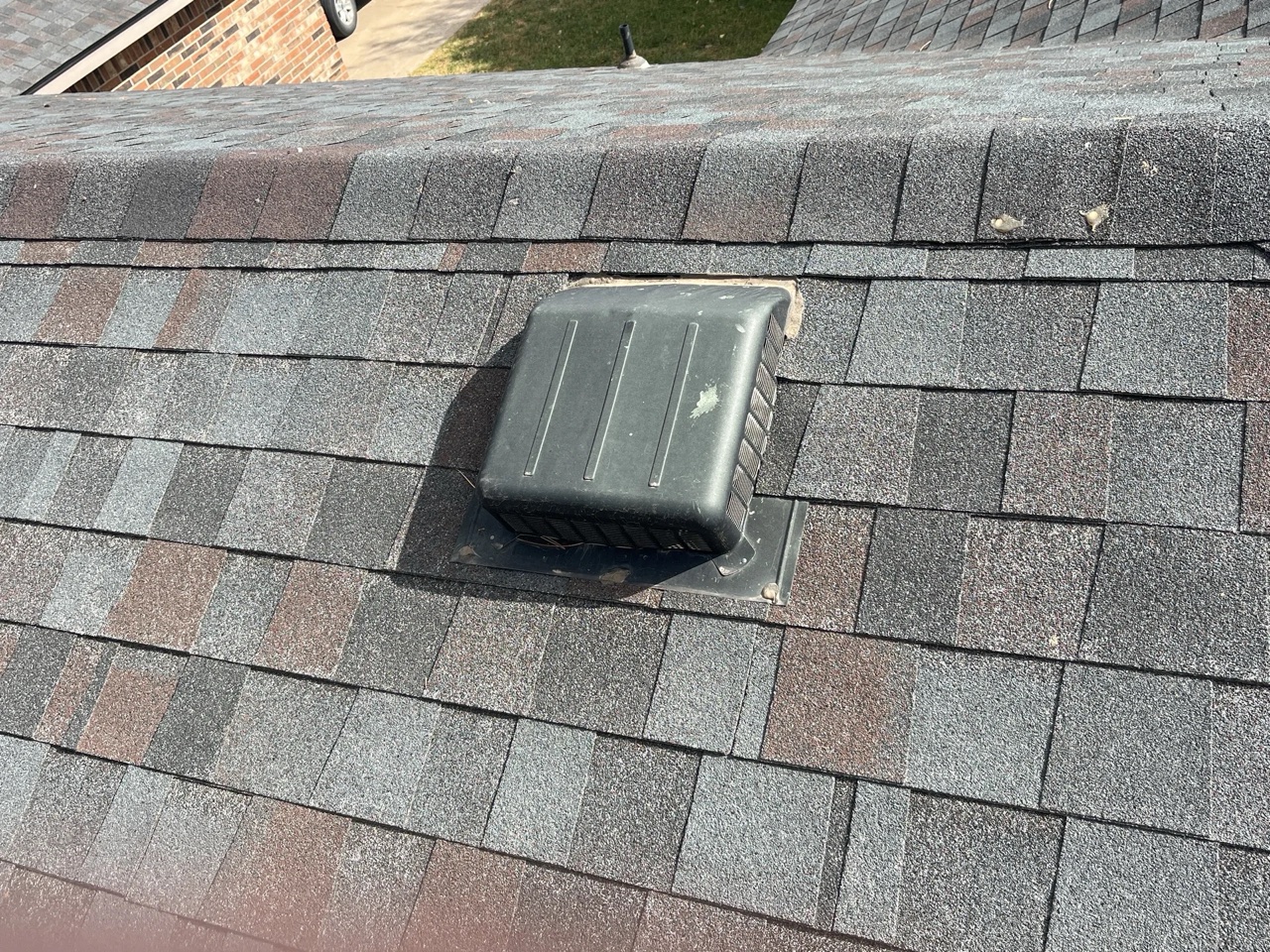
Metal roofing — particularly standing seam steel or aluminum — lasts 40–70 years under NRCA guidelines. Metal doesn't granulate, doesn't curl, and is far more resistant to impact than asphalt. The upfront cost is higher, but on a cost-per-year basis, metal often wins when you account for the two or three asphalt replacement cycles it outlasts. It also handles wind uplift better than tabbed shingles, which matters when gusts regularly exceed the Panhandle's already-high average.
TPO and modified bitumen (commercial flat roofs) typically last 15–25 years, depending on membrane thickness, drainage design, and how consistently the roof is maintained. Flat roofs fail faster when standing water isn't addressed promptly — 48 hours of ponding is the threshold most manufacturers use to define a drainage problem.
Tile and slate can last 50–100 years but are uncommon in this part of Texas. Their weight requires engineered framing, and their brittleness makes large hail a real liability. In a region that recorded 4.25-inch hailstones in May 2019, tile roofs require careful consideration.
What Shortens a Roof's Lifespan
Installation quality is the single biggest variable. A 30-year shingle installed poorly — wrong nail placement, missing ice-and-water shield, inadequate attic ventilation — can fail in 10–15 years regardless of the manufacturer's warranty rating.
Beyond installation, these are the most common lifespan killers:
- Poor attic ventilation — Heat buildup cooks shingles from below, drying out the asphalt and making them brittle before their time. Texas summers compound this significantly.
- Granule loss from hail — Granules protect the asphalt mat from UV radiation. Once they're depleted, deterioration accelerates. Even minor hail that leaves no visible holes can displace enough granules to shorten lifespan by several years.
- Ponding water — On flat or low-slope commercial roofs, water sitting more than 48 hours after rain works into seams and accelerates membrane degradation.
- Deferred repairs — A small leak repairs cheaply and quickly. The same leak ignored for two years often requires decking replacement, insulation remediation, and interior damage repair. One timely call prevents a much larger problem.
Texas Panhandle Considerations
The Texas Panhandle changes the roof lifespan equation in ways that matter to every homeowner and property manager in the region.
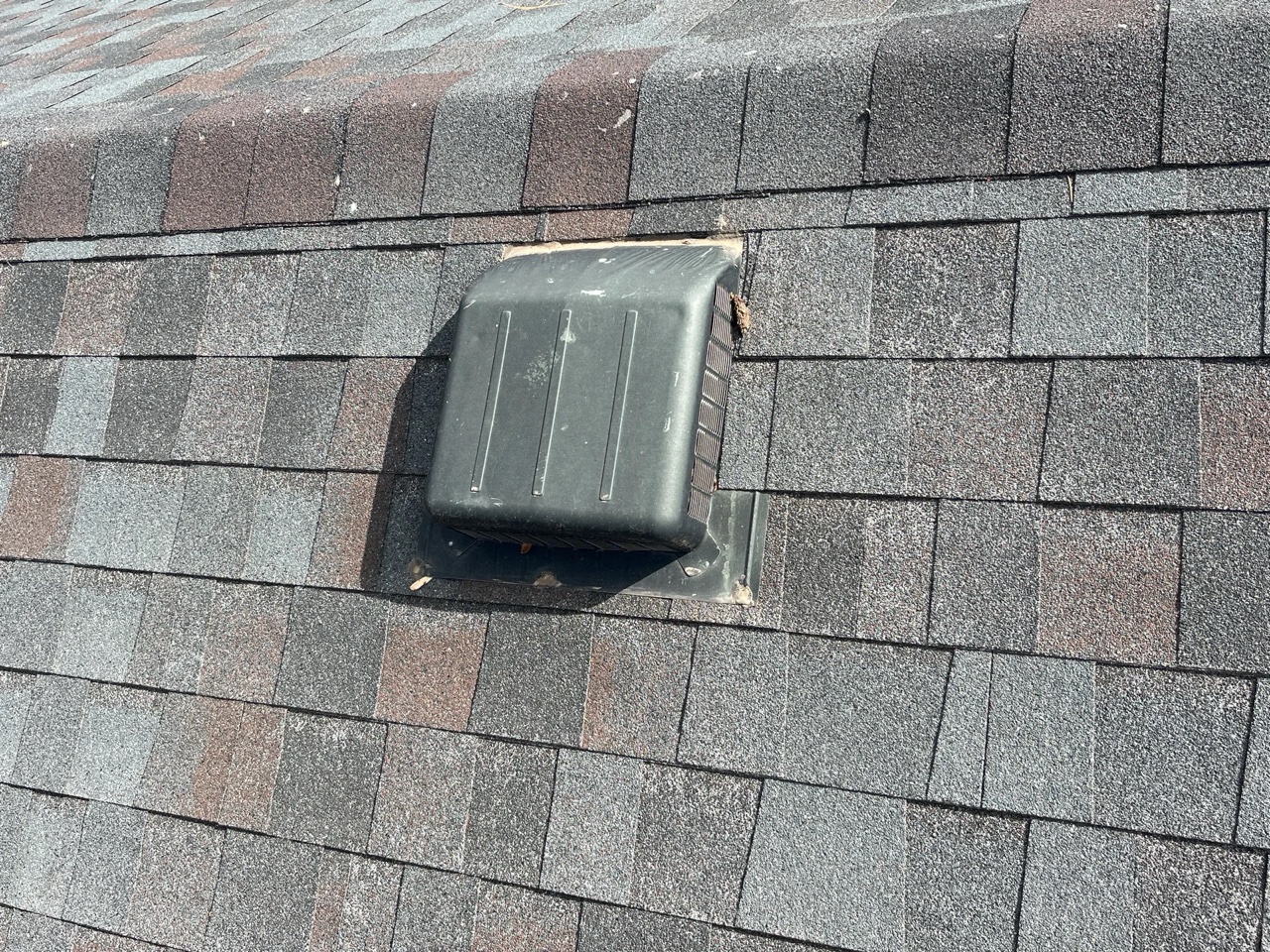
Hail frequency is the primary factor. The Panhandle averages 8–12 hailstorms per year, and since 2000, the Amarillo area has recorded 131 hail days — roughly one significant hail event every 18 days over that span. Potter County ranks in the top 10 nationally for hail frequency. If your roof was on a structure in May 2019 when 4.25-inch hailstones fell in this area and has never been professionally inspected since, there's a reasonable chance it carries concealed damage that's been aging underneath the surface every year since then.
Wind adds cumulative stress. At an average of 14.3 mph sustained — with frequent gusts well above that — wind lifts shingle tabs, breaks the self-sealing strip bond, and over years works nails loose. A shingle that passes a quick visual walk-around can still be wind-compromised in ways that only reveal themselves during the next storm.
Elevation accelerates UV degradation. At 3,600 feet, UV intensity is measurably higher than at sea level. Asphalt shingles absorb that radiation all day, every day, compounded by West Texas summer heat. This is one reason Panhandle roofs at the 20-year mark often look — and perform — like 25-year roofs in other parts of the country.
The practical implication: if your shingle roof is 15 years or older and hasn't been inspected since a major storm, schedule one now. Knowing where you stand gives you time to plan a roof replacement in Amarillo on your schedule rather than a hailstorm's.
When to Repair vs. Replace
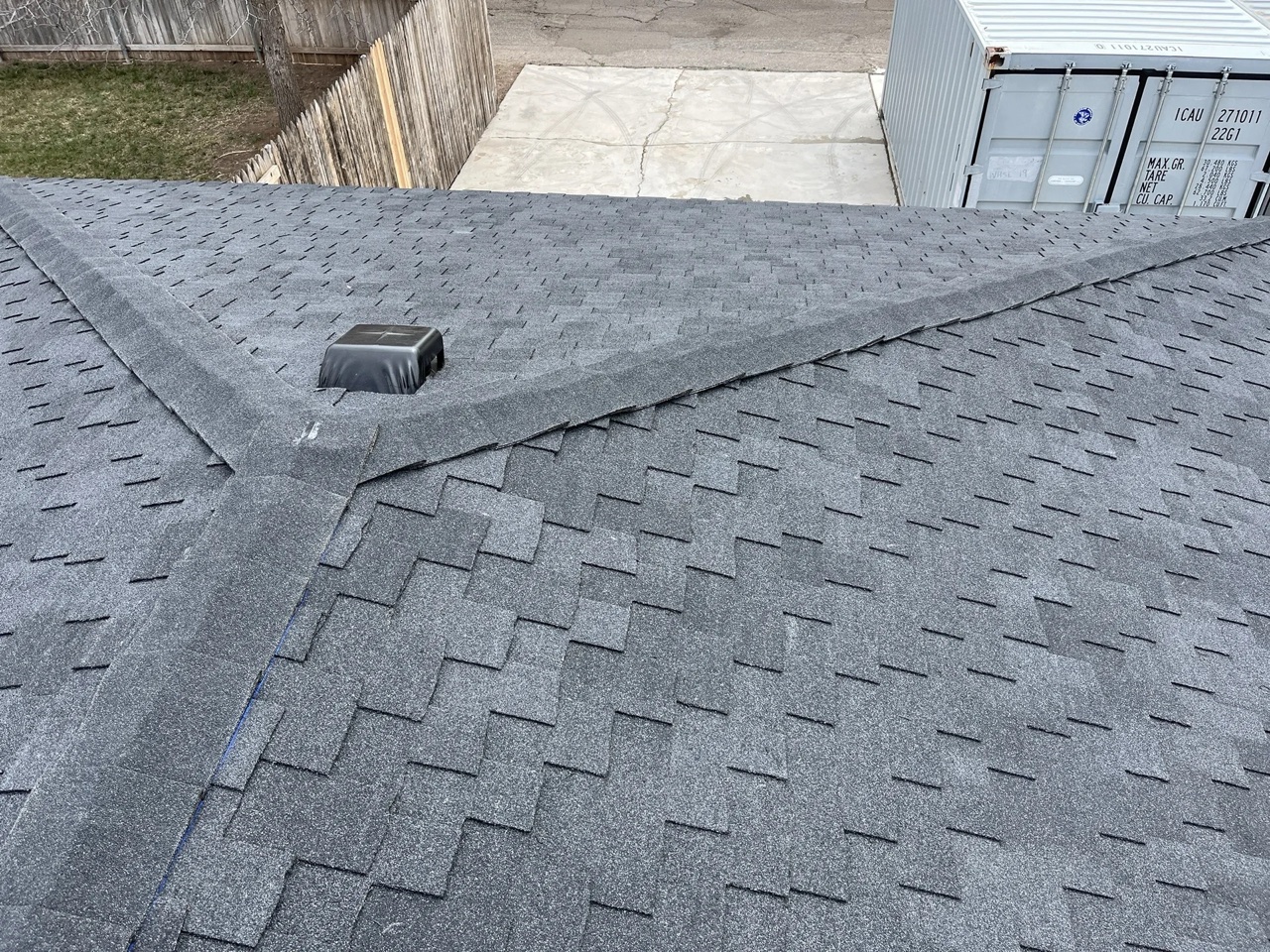
Age alone doesn't tell the whole story. A 22-year-old roof with one isolated leak in a flashing joint is a different situation than a 22-year-old roof with widespread granule loss and two interior staining spots.
Use replacement as the answer when:
- The roof is within 5 years of its expected lifespan and has sustained storm damage
- More than 30% of the surface shows granule loss, cracking, or lifted tabs
- There are multiple unrelated leak points — a sign the whole system is degrading, not just one area
- Repair costs are approaching 50% of replacement cost
- You're planning to sell — buyers and inspectors notice deferred maintenance, and a flagged roof kills deals
For everything else, a targeted asphalt shingle repair by a qualified contractor extends the usable life without the full replacement cost.
Schedule a free roof inspection today. Call (806) 622-6041 or schedule online. We'll tell you exactly where your roof stands and what — if anything — needs to happen next.
Frequently Asked Questions
How long does an asphalt shingle roof last?
Three-tab asphalt shingles typically last around 20 years. Architectural (dimensional) shingles are thicker and carry manufacturer warranties of 25–30 years, though actual lifespan depends heavily on climate, ventilation, and installation quality. In hail-prone regions like the Texas Panhandle, plan for the lower end of that range.
How long does a metal roof last?
Standing seam metal roofs typically last 40–70 years and sometimes longer with proper maintenance. Metal is one of the longest-lasting residential roof materials available and performs well in high-wind and hail-prone regions like the Texas Panhandle.
Does hail damage shorten a roof's lifespan?
Yes. Even hail that doesn't punch through shingles can bruise the granule layer, exposing the asphalt mat underneath. UV and moisture then accelerate deterioration. In hail-heavy regions like the Texas Panhandle — which averages 8–12 hailstorms per year — a 30-year shingle may need replacement in 15–20 years without timely repairs and proactive inspections after major storms.
How do I know when to replace my roof instead of repair it?
If your roof is within 5 years of the end of its expected lifespan, has widespread granule loss, multiple leak points, or has sustained significant hail damage across more than 30% of its surface, replacement usually makes more financial sense than repeated repairs.
How often should I have my roof inspected?
At a minimum, once a year and after any significant hail or wind storm. In the Texas Panhandle, where the area averages 8–12 hailstorms annually, post-storm inspections are especially important — concealed granule loss and lifted shingle tabs won't show up on a visual walk-around from the ground.
Need a roof inspection?
Free, no-pressure roof inspections from a locally owned Amarillo company. We'll walk you through exactly what we find — with photos.