How Often Should a Commercial Roof Be Inspected?
Commercial roofs need inspection at least twice a year, plus after storms. Here's the inspection schedule Amarillo property managers should follow.
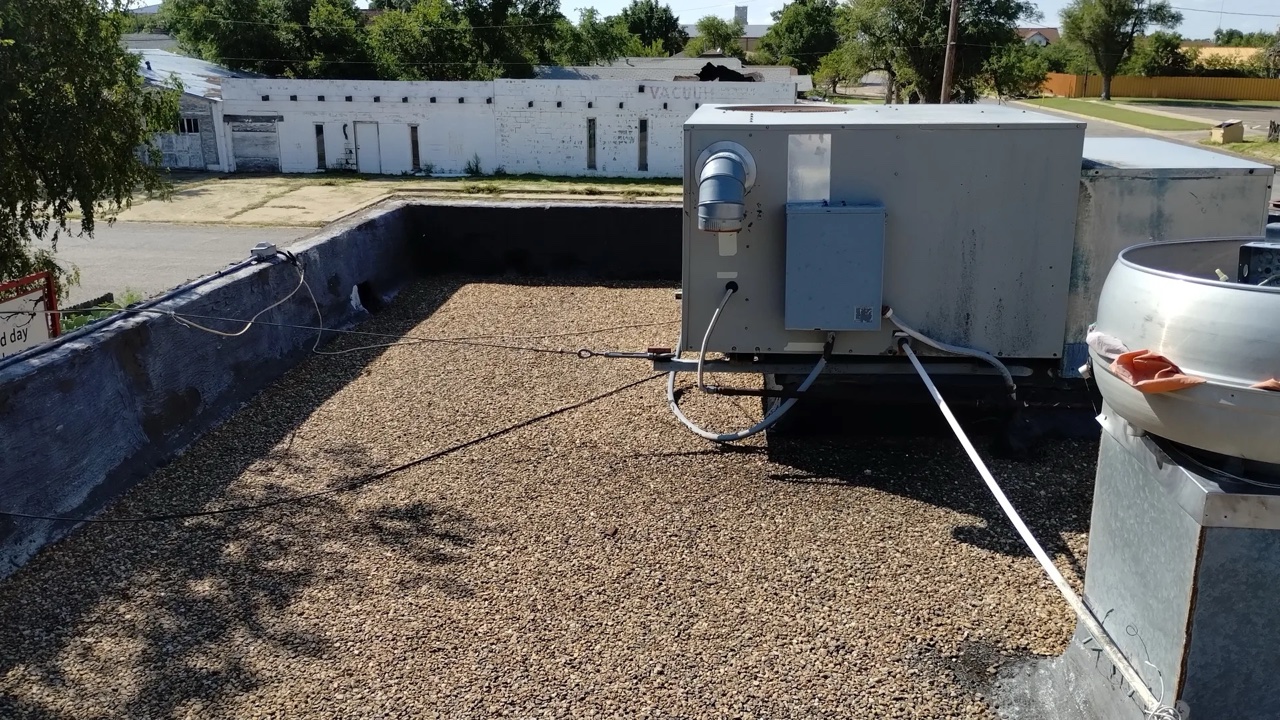
At minimum, twice a year — once in spring and once in fall — plus an additional inspection after any major hailstorm, high-wind event, or heavy snow load. That's the standard maintenance rhythm recommended by the National Roofing Contractors Association, and it's the schedule that keeps most commercial roof warranties valid. Property managers who wait for a leak to show up inside the building are almost always looking at a bigger repair bill than they would have with a scheduled inspection.
Why twice a year isn't arbitrary
The spring and fall timing isn't just convention — it lines up with what actually stresses a low-slope commercial roof. A fall inspection catches summer sun damage and clears debris and drains before winter freeze-thaw cycles can force water under the membrane. A spring inspection catches whatever winter did — ice damming at drains, membrane contraction cracks, flashing pulled loose by wind — before summer heat and UV exposure make small problems worse.
The IBHS Commercial Roofs Best Practices Guide frames it the same way: periodic inspection and maintenance exists to catch membrane punctures, debris buildup, and drainage failures before they become structural loading problems. Skipping a cycle doesn't just risk a leak — a roof carrying standing water it can't drain is carrying weight it wasn't designed for.
What a real inspection checks
A scheduled inspection should cover more than a walk-around. Expect a commercial roofer to check:
- Membrane condition — seam separation, blistering, punctures, and UV degradation across the entire field, not just the areas visible from a ladder.
- Drainage — every roof drain, scupper, and gutter cleared, plus a check for ponding water that isn't draining within 48 hours.
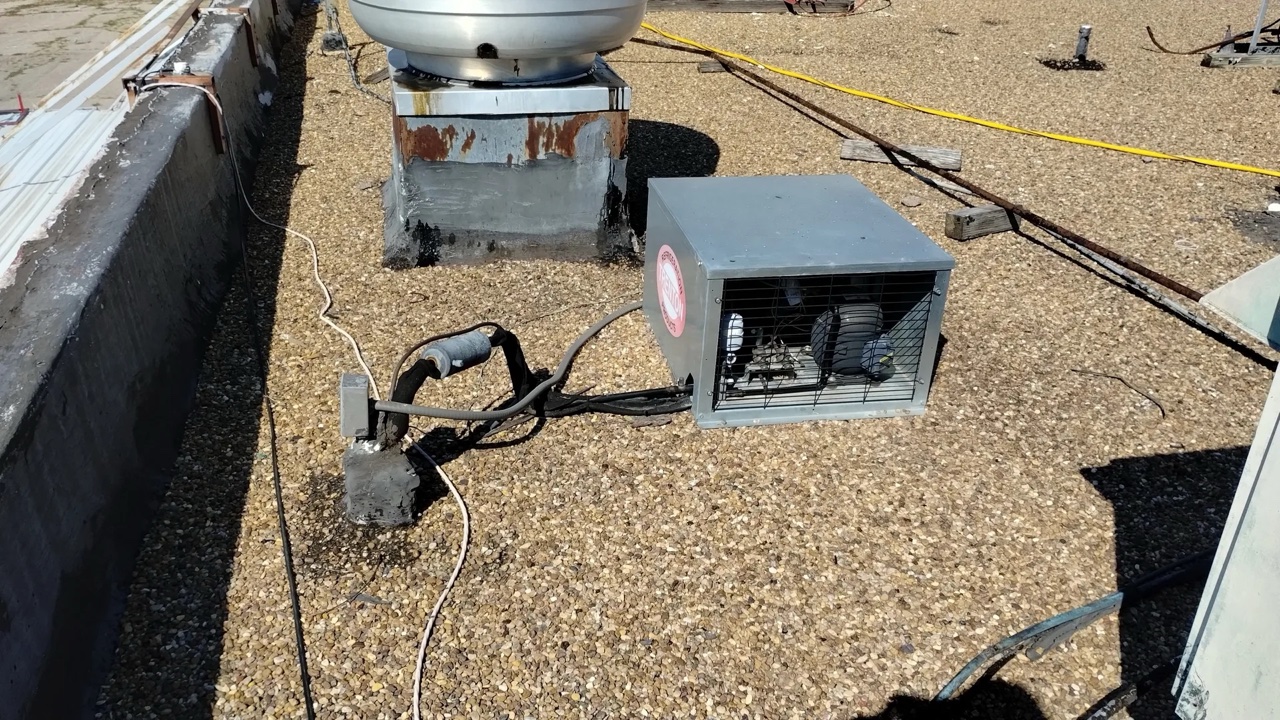
- Flashing and penetrations — HVAC curbs, vent stacks, and parapet caps, which are where most commercial leaks actually start.
- Fasteners and seams — loose fasteners or lifted seams that wind can catch and peel back.
- Written documentation — dated photos and a written report, which is what a manufacturer or insurer will ask for later.
That last point matters more than it sounds. Skip the documentation and you don't just lose a paper trail — you may lose the warranty coverage that documentation was protecting.
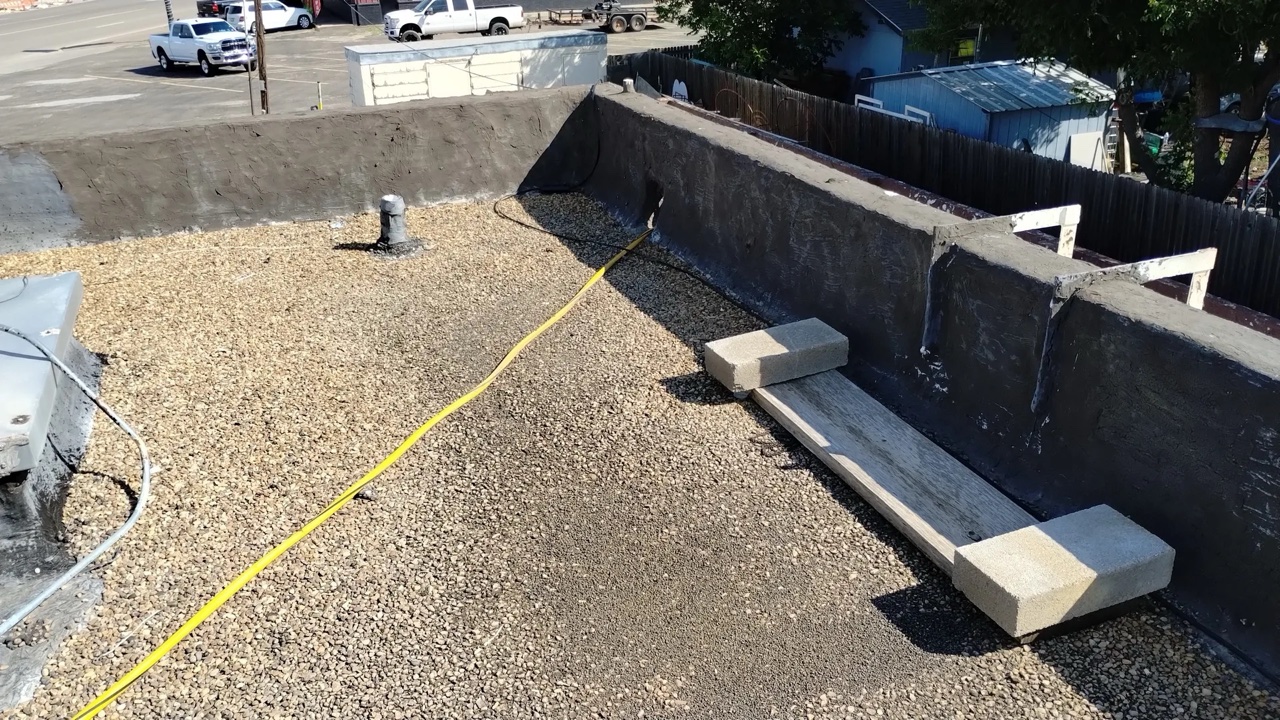
Building age and roof system also change what an inspector looks for. Newer TPO and modified-bitumen roofs tend to fail at seams and penetrations first, while older built-up gravel roofs are more prone to ponding water and gravel displacement that exposes the membrane underneath. A generic checklist misses system-specific failure points — which is why it matters that whoever inspects your roof works on your type of system regularly, not just occasionally.
Amarillo-specific considerations
Potter County sits inside what meteorologists call Hail Alley, where dry desert air meets Gulf moisture and produces some of the most frequent hailstorms in the country. Amarillo has logged 131 hail days since 2000, with 8-12 hailstorms in a typical year, and the largest recorded hailstone locally measured 4.25 inches — roughly softball-sized — in May 2019. A roof that looks fine from the ground can have hail bruising, granule loss, or membrane fatigue that only shows up on a close inspection.
That storm frequency is also why documentation timing matters for insurance, not just warranties. Under the Texas Prompt Payment Act, insurers must acknowledge a claim within 15 days and pay or deny it within 60, and you have a two-year window from the date of loss to file. A post-storm inspection with dated photos, filed promptly, is the difference between a claim that moves and one that stalls.
What to do after this year's storms
If your building hasn't had a professional inspection since last spring, book one before the next scheduled visit, especially after any hail or high-wind event in the last several months. A commercial roof inspection now can catch damage while it's still a repair, not a replacement.
Ready for a free commercial roof inspection in Amarillo? Call (806) 622-6041 or schedule your roof inspection online.
Frequently Asked Questions
Who should perform a commercial roof inspection?
A licensed commercial roofing contractor, not general maintenance staff. Commercial systems (TPO, EPDM, modified bitumen, built-up gravel) each fail in different ways, and an inspector trained on your specific membrane will catch problems a facilities crew walks past.
How much does a commercial roof inspection cost?
Costs vary by roof size, access, and system type, so ask for a quote based on your building. Many commercial roofers, including 5 Star, offer free inspections as a standard first step.
Does skipping inspections void my roof warranty?
It can. Most commercial roofing manufacturers require documented periodic inspections and timely repair of minor issues to keep a warranty valid. Missing that documentation is a common reason claims get denied later.
What's the difference between a maintenance inspection and a storm damage inspection?
A maintenance inspection is scheduled and preventive — checking seams, drainage, and flashing before problems start. A storm damage inspection happens after a specific event and focuses on impact damage, membrane punctures, and displaced materials that need documentation for an insurance claim.
Can I inspect my own commercial roof?
A quick visual check after a storm is fine, but it doesn't replace a professional inspection. Roofers know what early membrane fatigue, seam separation, and ponding water actually look like, and they can safely access areas facilities staff shouldn't walk on unassisted.
Need a roof inspection?
Free, no-pressure roof inspections from a locally owned Amarillo company. We'll walk you through exactly what we find — with photos.