What Is Ice and Water Shield?
Ice and water shield is a self-adhering waterproof membrane installed under shingles at vulnerable spots. Here's what it does — and why Texas is different.
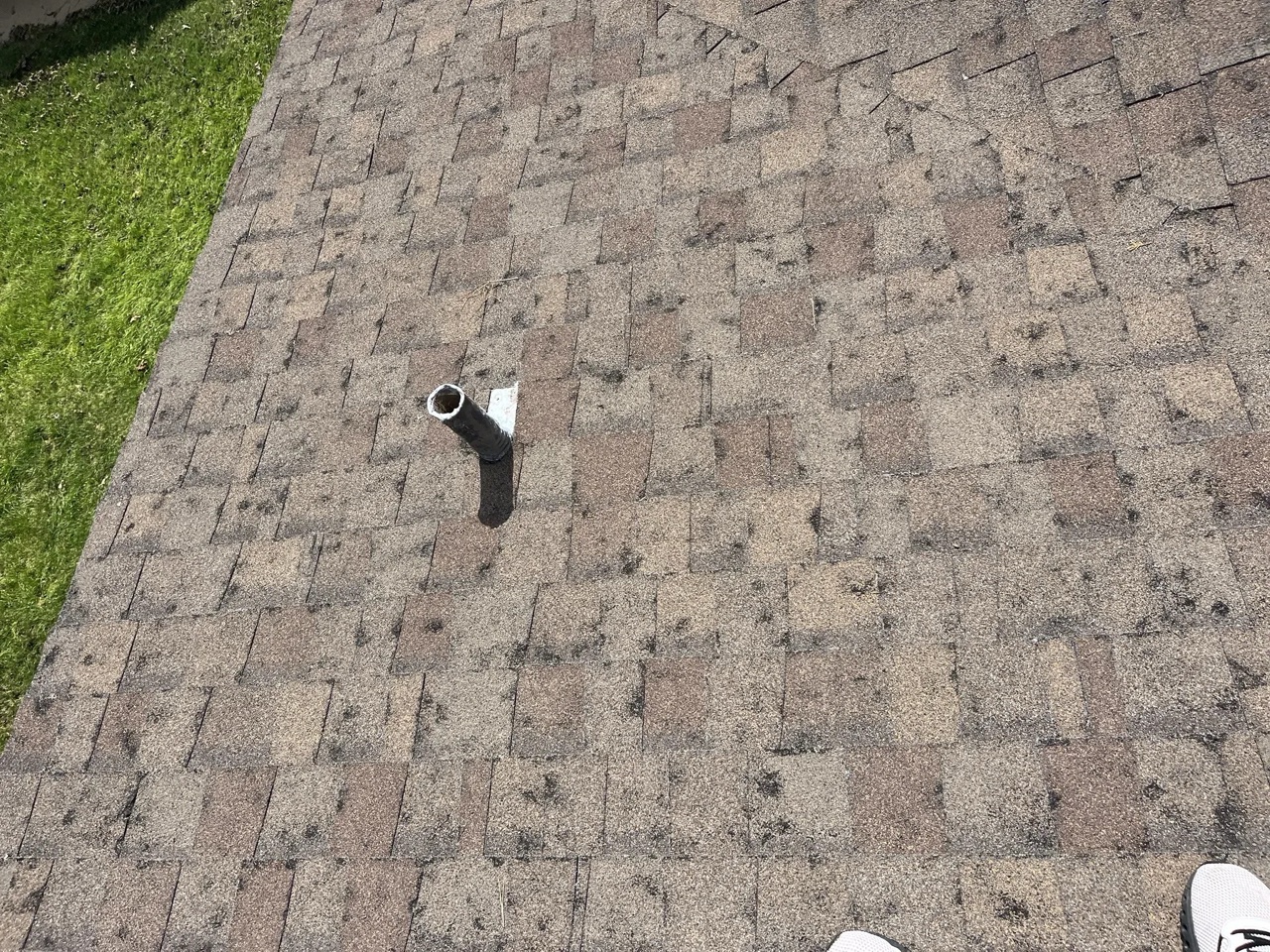
Ice and water shield is a self-adhering waterproof membrane that goes under your shingles at the spots most vulnerable to water infiltration — eaves, valleys, and around penetrations like chimneys and skylights. Unlike standard underlayment, which is mechanically fastened, ice and water shield bonds directly to the roof deck and self-seals around nails, creating a continuous barrier even if the shingles above it are compromised. In northern climates, it's a code requirement. In the Texas Panhandle, it's a different story.
How ice and water shield actually works
The product is a modified bitumen sheet — rubberized asphalt — with a pressure-sensitive adhesive on the back and a granulated or film surface on top. You peel the release liner and press it to the roof deck; the adhesive creates a watertight bond. When roofers nail through it, the rubber compound grips the fastener shank and seals the hole. That self-sealing characteristic is the key difference from felt or synthetic underlayment, which leaves a small gap at every nail penetration.
In climates with heavy snow loads and freeze-thaw cycles, ice dams form at the eaves when heat escaping through the attic melts snow on the roof. That meltwater runs down to the colder overhang, refreezes, and backs up under the shingles. IRC Section R905.1.2 requires ice barrier protection in areas subject to ice-damming — typically defined as regions with an average January temperature at or below 25°F — which covers most of the northern United States but not the Texas Panhandle. Ice and water shield at the eave (typically at least 24 inches past the interior wall line) blocks backed-up water from reaching the roof deck.
What this means for Texas Panhandle homeowners
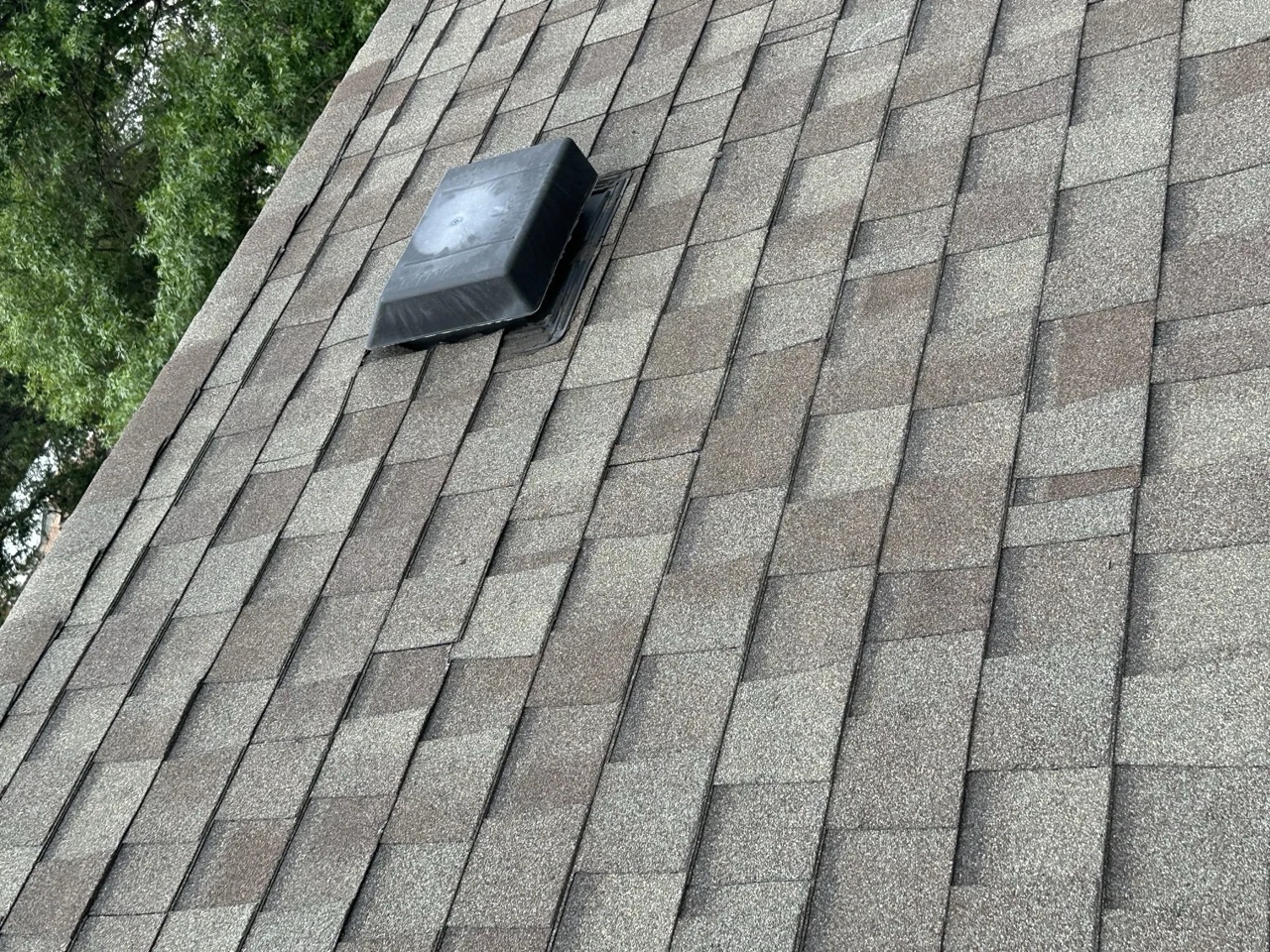
Here's the honest local answer: ice and water shield is not required by code in most Texas jurisdictions, and in Amarillo it's typically excluded from standard roof replacement scopes. The Texas Panhandle climate — despite sitting at 3,600 feet elevation and averaging 8 to 12 hailstorms per year — doesn't produce the prolonged freeze-thaw ice-dam conditions that drive the code requirement in Minnesota or Colorado. Potter County earns its reputation as one of the top ten hail-frequency counties in the country, but the threat here is hail impact and wind, not ice damming.
Our Xactimate-based estimates explicitly treat ice and water shield as "not required" and exclude it from the standard line-item scope — consistent with how insurance adjusters write scopes in this region. Valley metal — typically W-metal at 50–80 linear feet per roof — is the standard Amarillo protection at valleys, and it performs well in this climate. For a full breakdown of what goes into a roof replacement in Amarillo, the scope itemization is covered on our replacement page.
That said, contractors in this market do use ice and water shield selectively. Around skylights, chimneys, dormers, and other penetrations on higher-end jobs, it's a sensible belt-and-suspenders addition. If you're paying for a Class 4 impact-resistant shingle upgrade to capture the 15–25% wind/hail premium discount most Texas carriers offer, adding ice and water shield at penetrations for a marginal extra cost makes sense.
When to ask your contractor about it
If you're getting a roof replacement in Amarillo, here's when it's worth asking whether ice and water shield should be in the scope:
- Skylights or roof windows — the curb and frame junction is one of the most common leak points on residential roofs. Ice and water shield under the step and headwall flashing adds meaningful redundancy.
- Chimneys — same logic. A chimney cricket without proper membrane coverage is a slow leak waiting to happen.
- Steep valleys with heavy foot traffic or debris accumulation — if leaves and debris pile up in a valley and stay wet, the extra layer matters.
- Any roof with existing water damage history — if you've had leaks around penetrations before, the membrane is cheap insurance on the new installation.
For a standard simple gable in Amarillo without penetrations, skipping it is the conventional choice and consistent with what insurance scopes cover. For a complex roof with multiple chimneys and skylights, it's worth the conversation.
Ready for a free roof inspection in Amarillo? Call (806) 622-6041 or schedule online.
Frequently Asked Questions
Is ice and water shield required in Texas?
Not by code in most Texas jurisdictions. The Texas Panhandle's climate doesn't produce the sustained freeze-thaw cycles that cause ice dams, so ice and water shield is typically excluded from standard Amarillo scopes. It may be added selectively around skylights, chimneys, and other penetrations on higher-end jobs.
What is ice and water shield made of?
It's a rubberized asphalt-based membrane — usually a modified bitumen sheet — with a peel-and-stick adhesive backing. The adhesive bonds to the roof deck, and the top surface accepts nails or screws without leaking around the fastener holes. That self-sealing property is what sets it apart from standard felt or synthetic underlayment.
Where is ice and water shield installed on the roof?
In climates that require it, building codes typically call for at least 24 inches past the interior wall line at the eaves (to block ice-dam water from reaching inside), plus coverage in all valleys, around chimneys, skylights, dormers, and other penetrations. In Texas, where it's used at all, contractors usually limit it to high-risk penetration zones.
Can you skip ice and water shield and use extra underlayment instead?
Standard felt or synthetic underlayment is not a substitute. Underlayment is mechanically fastened, which leaves nail holes that water can migrate through. Ice and water shield's adhesive layer creates a continuous watertight bond to the deck and self-seals around fasteners, making it meaningfully more resistant to driven water.
Does ice and water shield add cost to a roof replacement?
In Texas, it's typically not included in baseline scopes, so it doesn't add cost by default. When it is specified around penetrations or in valleys, the material and labor add a modest line item — far less than the cost of repairing a water-damaged deck or attic framing.
Need a roof inspection?
Free, no-pressure roof inspections from a locally owned Amarillo company. We'll walk you through exactly what we find — with photos.