What Is a Ridge Vent? How It Works and Why It Matters
A ridge vent runs along your roof's peak to exhaust hot attic air continuously. Learn how ridge vents work, when you need one, and what Amarillo's climate demands.
A ridge vent is a continuous ventilation strip that runs along the peak of a pitched roof, allowing hot air to escape from the attic. It is the exhaust half of a balanced attic ventilation system — it only works correctly when paired with intake vents at the soffits. Together, they create a natural convective loop: cool outside air enters low, heats up, rises, and exits at the ridge. That airflow does real work: it strips excess heat in summer, prevents moisture buildup in winter, and can extend shingle life measurably.
How a Ridge Vent Works
Hot air rises. That is the entire operating principle. Your attic collects heat all day, and in a poorly vented Texas Panhandle attic, that trapped heat has nowhere to go unless you give it an exit. A ridge vent provides that exit along the highest point of the roof, where the hottest air pools.
For the system to work, it needs a pressure difference. Soffit vents at the eave edges let outside air in. As that cooler, denser air enters, it pushes the hot air upward toward the ridge. The ridge vent's baffle design deflects wind and rain while letting air flow freely out.
The 2018 International Residential Code (Section R806) establishes the standard most Texas jurisdictions follow: total free vent area should equal at least 1/300 of the attic floor area, split roughly 50/50 between low intake and high exhaust. On a 1,500 sqft attic, that works out to about 5 sqft of net free area total — half at the soffits, half at the ridge.
Ridge Vent vs. Box Vents and Turbines
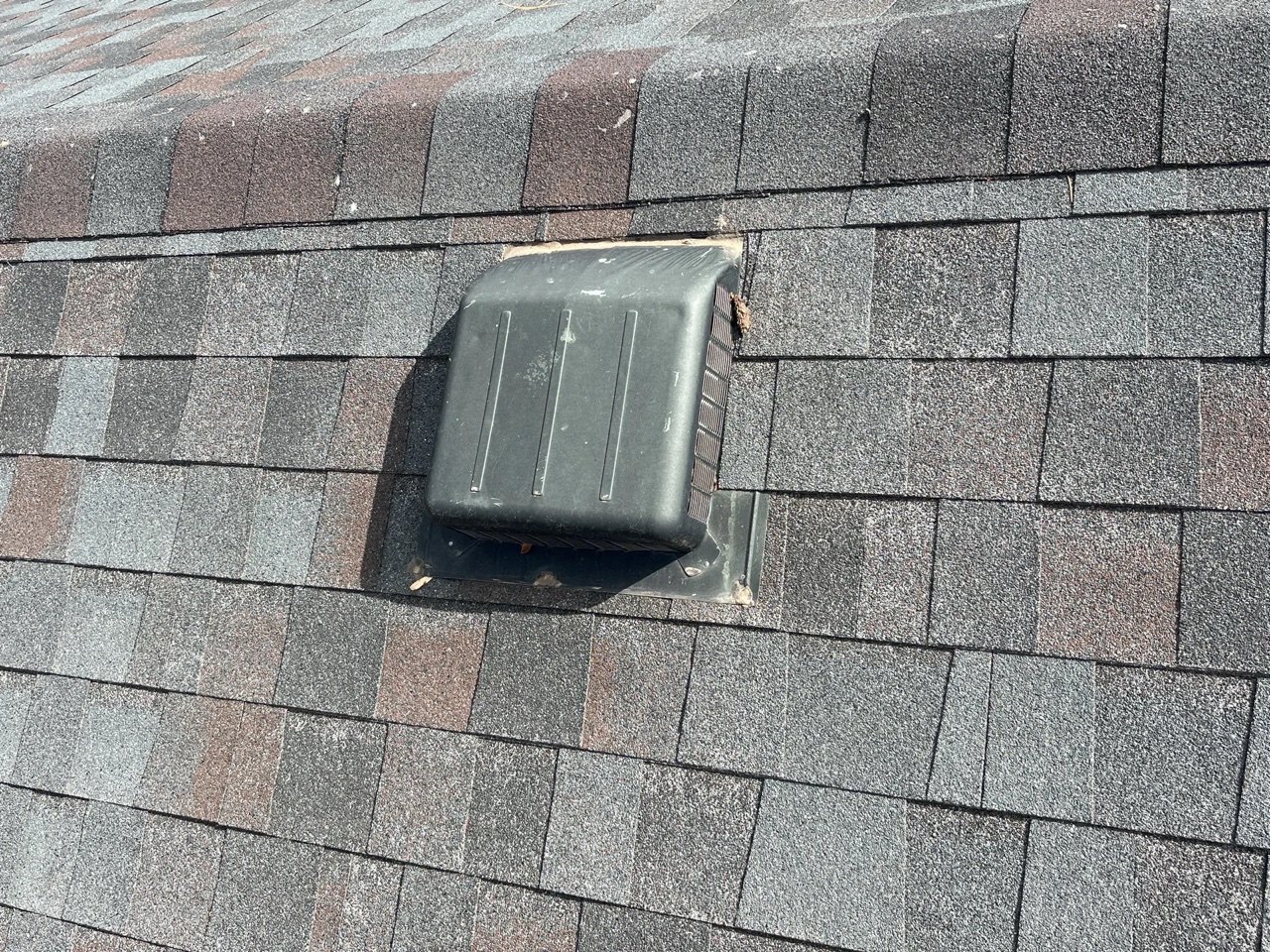
Many older Amarillo homes have box vents (also called turtle vents) or whirlybird turbines scattered across the roof deck instead of a continuous ridge vent. Both approaches exhaust air, but there are meaningful differences.
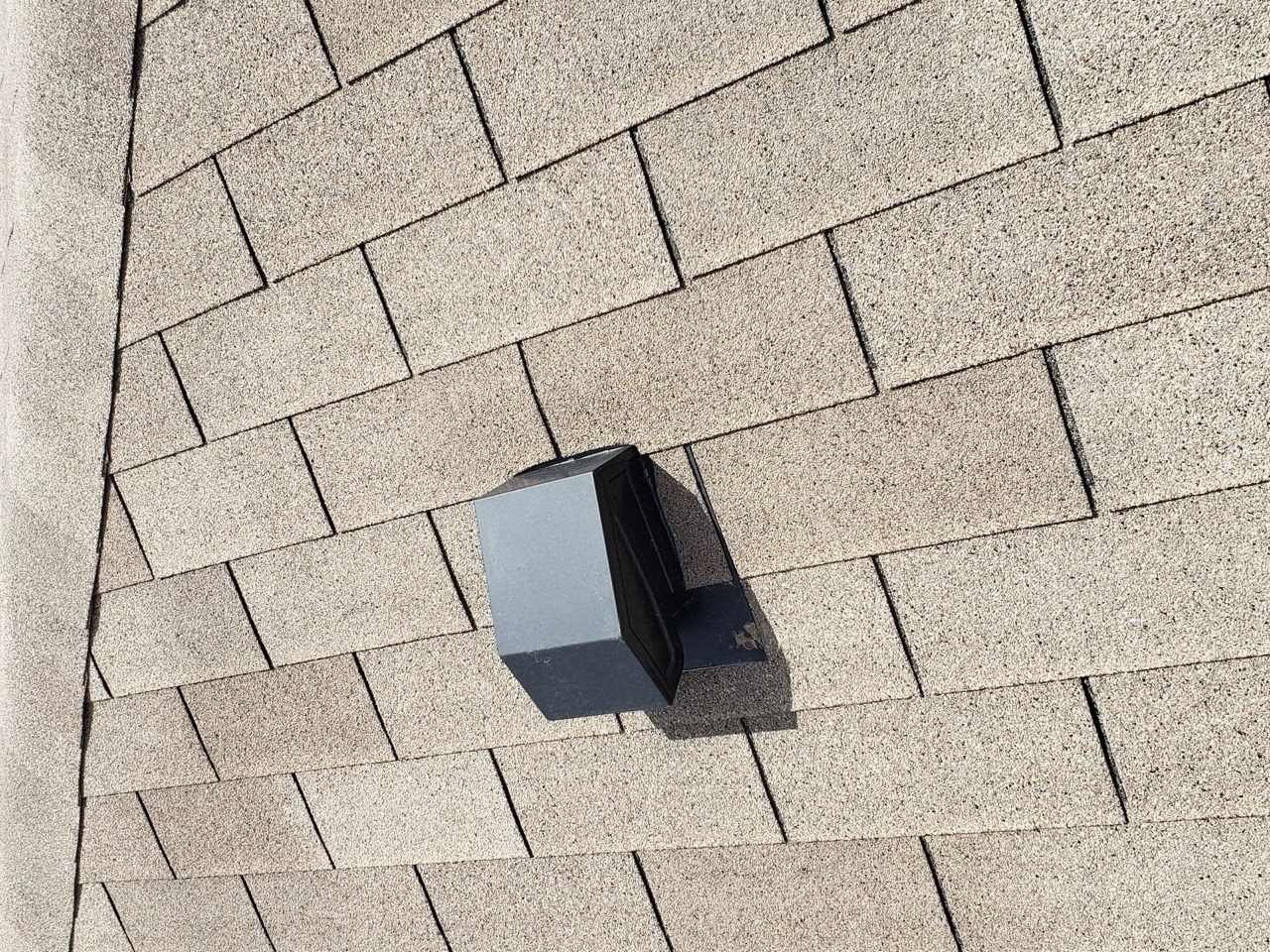
A continuous ridge vent covers the entire peak and creates even exhaust pressure along the full ridge line. Box vents concentrate exhaust at a few points and leave dead air zones between them. Turbines move more air when the wind blows but can actually reverse and pull warm moist air in during temperature inversions — the opposite of what you want. Building Science Corporation's research on attic ventilation shows that balanced systems — equal intake and exhaust distributed along the full length of the roof — consistently outperform point-source approaches.
The NRCA also notes that installing a shingle-over ridge vent along the full ridge length prolongs roof life and can be required to validate shingle manufacturer warranties. If you are getting a full replacement and want to protect your warranty, confirm with the installer that the ventilation spec is met.
What Happens When Ventilation Is Wrong
Insufficient or unbalanced ventilation is one of the most overlooked causes of premature shingle failure. Heat baking the underside of the roof deck accelerates shingle aging. Moisture trapped in the attic condenses on the deck and framing, leading to mold and rot. In climates with freezing temperatures, poor exhaust allows heat to escape unevenly through the roof surface, melting snow in patches and creating ice dams at the eaves.
An exhaust-only system — a ridge vent with no soffit intake — short-circuits by pulling air from any gap it can find: penetrations, can lights, attic hatches. That air often carries humidity from the living space directly into the attic. You get worse performance than no vent at all.
Texas Panhandle Considerations
Amarillo sits at 3,600 feet elevation and averages 14.3 mph winds year-round, which is actually favorable for natural draft ventilation. The bigger ventilation challenge here is temperature swing: summer attic temperatures in the Panhandle can run dangerously high in the afternoon before dropping sharply overnight. That daily thermal cycling stresses shingle adhesive strips and roof deck fasteners. A properly vented attic reduces peak temperatures significantly, which means less expansion and contraction stress on every component above the insulation.
The other Panhandle factor is hail. Potter County sits in what forecasters call Hail Alley — since 2000, Amarillo has recorded 131 hail days, with annual storms averaging 8 to 12 events. The cap shingles that protect the ridge vent are some of the most exposed material on the roof because they sit at the peak with no shelter from adjacent structure. After a significant hail event, have the ridge checked specifically — cracked or displaced cap shingles leave the vent baffle exposed and can allow water infiltration at the most critical seam on the roof.
Call 5 Star for a free roof inspection in Amarillo. We check ridge vents, soffit intake, and the full ventilation balance on every inspection. Reach us at (806) 622-6041 or schedule online.
For full roof replacement with proper ventilation spec included, see our Amarillo residential roofing page.
Frequently Asked Questions
What is a ridge vent on a roof?
A ridge vent is a narrow ventilation strip installed along the full length of a roof's peak. It lets hot, humid attic air escape continuously while working with soffit vents at the eaves to pull fresh air through the attic space.
Does every roof need a ridge vent?
Most pitched roofs benefit from one, but only if you also have functioning soffit vents. A ridge vent without adequate intake vents at the soffits creates an unbalanced system that barely moves air. Flat or very low-slope roofs use different exhaust strategies.
How long do ridge vents last?
A quality shingle-over ridge vent typically lasts as long as the roof itself — 20 to 30 years for an architectural shingle roof. The vent sits under the cap shingles and is protected from direct UV and weather. Inspect it during your annual roof check for any gaps or lifted cap shingles.
Can a ridge vent leak?
A properly installed ridge vent does not leak. The baffle channels water away while allowing air to pass. Leaks occur when the vent is incorrectly cut (slot too wide), improperly nailed, or when cap shingles are missing or lifted — all installation errors, not product failures.
Does Amarillo's wind affect ridge vent performance?
Amarillo averages 14.3 mph winds, which actually helps drive air movement through a ridge vent system. High winds can briefly pressurize one side of the roof and pull air through faster than thermal convection alone. The bigger concern here is hail — the cap shingles over the ridge vent take direct hits during the 8 to 12 hailstorms that roll through the Panhandle most years.
Related Guides
Need a roof inspection?
Free, no-pressure roof inspections from a locally owned Amarillo company. We'll walk you through exactly what we find — with photos.