What Are the Different Roof Types?
The main roof types — asphalt shingles, metal, tile, wood shake, and flat membrane — and which ones actually hold up in the Texas Panhandle's hail and wind.
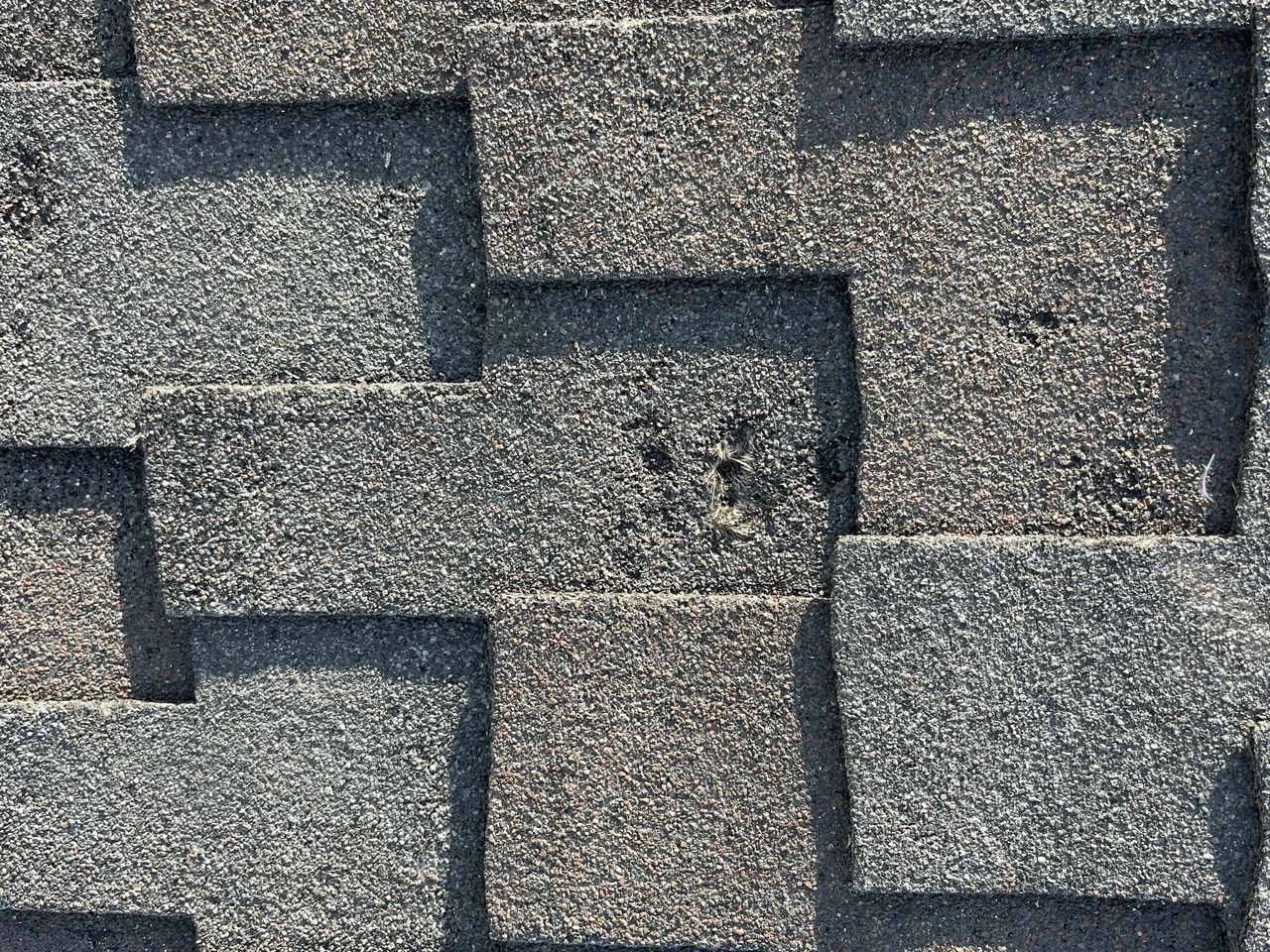
There are five roof types you'll encounter on homes and businesses across the Texas Panhandle: asphalt shingles, metal, tile, wood shake, and flat membrane systems. What actually makes sense depends on your building, your budget, and how much punishment you expect from hail and wind. In this part of Texas, budget for a lot of both.
Asphalt shingles
They cover the overwhelming majority of steep-slope roofs in the U.S. Amarillo is no different. The old 3-tab shingle (single-layer, flat, lower cost) still exists but almost nobody installs it on new roofs anymore. The current standard is architectural (dimensional) shingles: double-layer laminated construction, noticeably thicker, with a textured look that makes a roof look less like a parking lot. If you want to dig into the specifics for your home, our asphalt shingle roofing in Amarillo page walks through the options we install most often.
For Panhandle homeowners, the spec that matters most is impact resistance. The UL 2218 rating goes from Class 1 to Class 4. To earn a Class 4, a shingle has to take a 2-inch steel ball dropped from 20 feet without tearing, cracking, or splitting. When you're seeing 8–12 hailstorms a year on average, that rating is not a marketing detail. It changes what the insurance adjuster writes down.
Texas also built in a financial reason to go Class 4: the Texas Department of Insurance requires insurers to offer mandatory discounts to homeowners who install UL 2218-rated material.
Metal roofing
Two main types show up on residential and light commercial buildings here. Standing seam uses concealed fasteners with continuous panels running ridge to eave; the seams interlock and flex with temperature changes, and there are no exposed fastener penetrations to leak. Exposed fastener panels (R-panel, corrugated metal) cost less and are standard on ag buildings and lighter commercial work. We cover the install side of this in detail on our metal roof installation page.
Standing seam systems are tested for wind uplift under ASTM E1592 and UL 580. Properly installed, they hold up to what Amarillo throws at roofs: 14.3 mph sustained average, considerably higher during storm events.
The upfront cost is real. Metal costs more per square than shingles, and that's a fact. What changes the math is lifespan and what happens after a hailstorm. Shingles lose granules every time hail hits — it's cumulative damage you often can't see from the ground. Metal dents but doesn't shed its protective layer.
Tile and wood shake
Concrete and clay tile are durable and they look good. You see them more in South Texas and Southwest-style architecture. The Panhandle problem is weight; most residential framing needs an engineering review before a tile roof goes on. Beyond that, tile cracks on direct hail impact. This region has logged 131 hail events since 2000, with the largest stone on record hitting 4.25 inches (softball-sized) in May 2019. That's not a great combination.
Wood shake is mostly a historical option at this point. Most insurers stopped writing new policies on wood shake roofs years ago, which settles the debate for most homeowners.
Flat and low-slope roofing
Commercial flat roofs use membrane systems. The two you'll see most on Panhandle commercial buildings: TPO (thermoplastic polyolefin), which has heat-welded seams and a light-colored surface that reflects heat; and EPDM (ethylene propylene diene monomer), a rubber membrane that's usually black, either mechanically fastened or fully adhered.
Both need a professional install and regular inspections. Seam failures and ponding water are the things that quietly turn into expensive interior damage if you're not catching them early. If you run a building in town, our commercial roofing in Amarillo page goes deeper on TPO, EPDM, and modified bitumen options.
What makes sense out here
Potter County is in the top 10 nationally for hail frequency. That makes impact resistance the single most important thing to evaluate, regardless of what material you're considering. For most homeowners, a Class 4 architectural shingle is the answer; it hits the right balance of cost, availability, and insurance savings. Standing seam metal is worth paying more for if longevity and storm performance come first. Tile and wood shake both have real problems in this climate, and neither is the obvious right call.
If you don't know what's on your roof or whether it's holding up, an inspection will tell you quickly.
Want to know where your roof stands? Call (806) 622-6041 or schedule a free inspection.
Related Resources
Frequently Asked Questions
What is the most common roof type for homes in Texas?
Asphalt shingles, particularly architectural (dimensional) shingles, dominate Texas residential roofing. They are cost-effective, widely available, and come in Class 4 impact-resistant versions that qualify for mandatory insurance discounts under Texas Department of Insurance rules.
Are metal roofs worth it in Amarillo?
Metal roofs can be a strong choice in the Texas Panhandle because of the region's high hail frequency and sustained winds. Standing seam metal roofs tested to UL 580 standards resist uplift well and often outperform shingles in severe hail events, though the upfront cost is higher.
What is a flat roof made of?
Commercial flat roofs in the Texas Panhandle are most commonly covered with TPO (thermoplastic polyolefin) or EPDM (ethylene propylene diene monomer) membranes. Both are heat-welded or mechanically fastened systems designed for low-slope applications.
Can I get a discount on my homeowners insurance for an impact-resistant roof?
Yes. Texas law requires insurers to offer discounts for roofing materials that meet UL Standard 2218 impact resistance requirements. Class 4 is the highest rating and typically earns the largest discount.
How long does an asphalt shingle roof last in the Texas Panhandle?
Manufacturer warranties on architectural shingles run 30 years to lifetime, but real-world lifespan in Amarillo depends heavily on hail and wind exposure. A well-installed Class 4 shingle roof will typically last 20-25 years between major weather events in this region.
Need a roof inspection?
Free, no-pressure roof inspections from a locally owned Amarillo company. We'll walk you through exactly what we find — with photos.