What Are Roofing Materials? A Homeowner's Guide to Every Option
Roofing materials include asphalt shingles, metal, TPO, tile, and more. Learn what each one is, how long it lasts, and which holds up to Texas Panhandle hail.
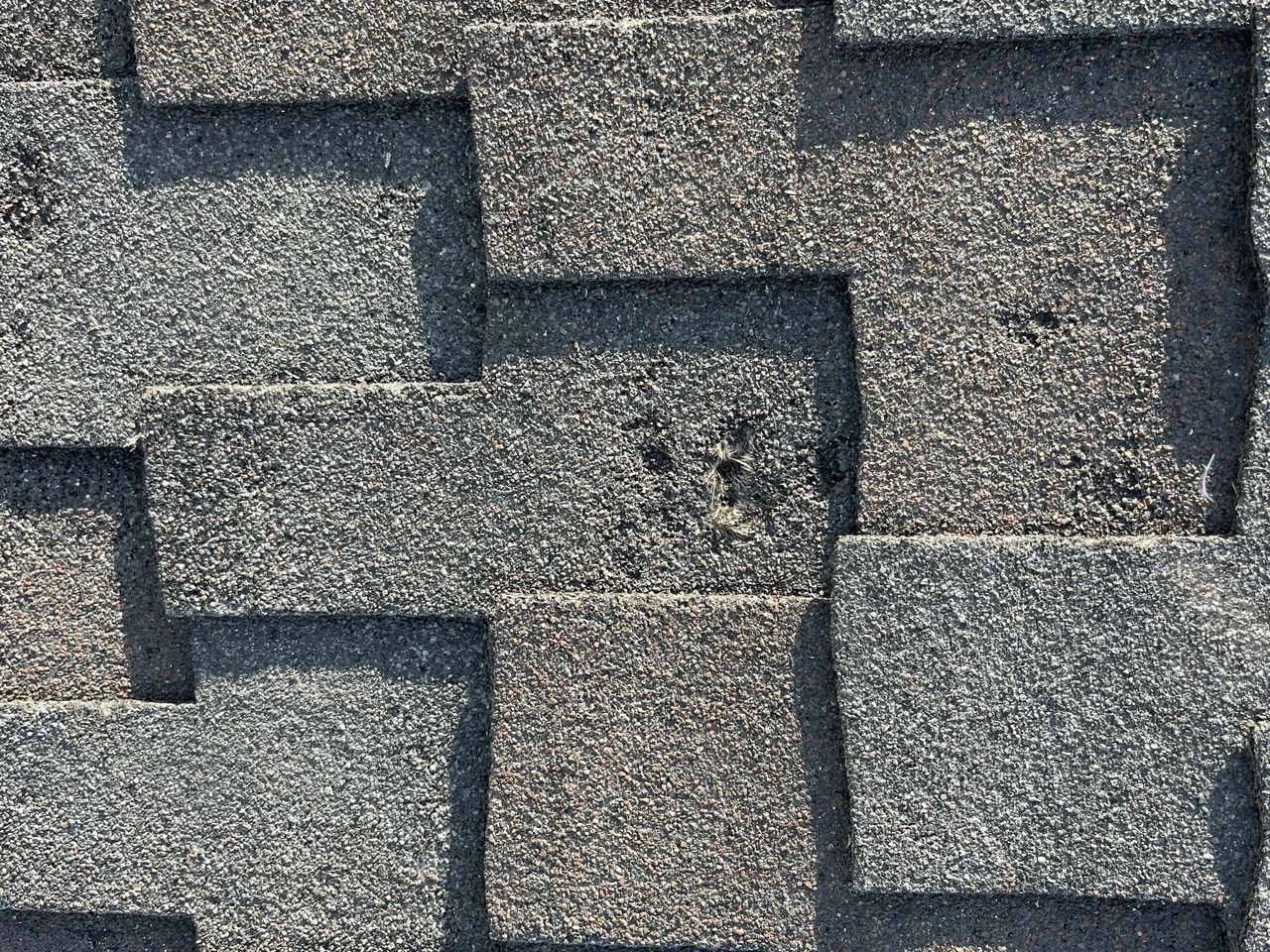
Roofing materials are the outer layer of your roof system — the products that shed water, resist wind and hail, and protect everything underneath. The most common options for homes are asphalt shingles, metal roofing, clay or concrete tile, and wood shakes. For commercial and low-slope roofs, TPO, EPDM, and built-up roofing systems take over. Each material has a different cost, lifespan, weight, and tolerance for the conditions it faces — which in the Texas Panhandle means serious hail, sustained wind, and wide temperature swings.
Asphalt Shingles
Asphalt shingles are the dominant residential roofing material in the U.S. They consist of a fiberglass mat base coated in modified asphalt and topped with ceramic-coated mineral granules. Two main types are sold today:
- Three-tab shingles — a single flat layer, lighter, lower cost, 15–20 year lifespan. Increasingly rare on new installs.
- Architectural (dimensional) shingles — two laminated layers bonded together, more impact- and wind-resistant, rated 25–30 years. The current standard for residential roofing.
For Amarillo and the Texas Panhandle, the relevant upgrade within asphalt shingles is impact resistance. Potter County ranks in the top 10 nationally for hail frequency — the area has recorded 131 hail days since 2000 and averages 8 to 12 hailstorms per year. The largest stone on record hit 4.25 inches (softball-size) in May 2019. Impact-resistant architectural shingles rated UL 2218 Class 4 — the highest classification — survive a 2-inch steel ball drop from 20 feet without cracking, which simulates hailstone impact at storm speed. Many Texas insurers offer a premium discount for verified Class 4 installations.
For a deeper dive on asphalt shingles, see our asphalt shingle roofing page.
Metal Roofing
Metal roofing covers a wide range of products — from exposed-fastener corrugated panels to concealed-fastener standing-seam systems. Standing-seam metal is the high-end residential and commercial choice: panels interlock at raised seams that run the length of the roof, keeping fasteners off the weather surface entirely.
Metal roofing is rated for 40–70 years depending on the alloy and coating system. It handles hail well — steel panels dent but don't crack or lose granules, so structural integrity is rarely compromised by hailstones that would damage an asphalt shingle. Wind performance is excellent when properly fastened; standing-seam systems routinely carry 140–160 mph wind ratings from their manufacturers.
The tradeoff is upfront cost. Metal roofing runs significantly higher per square than asphalt shingles. It also requires specific flashing and trim details that not every roofing contractor is equipped to execute properly.
TPO and Commercial Flat-Roof Systems
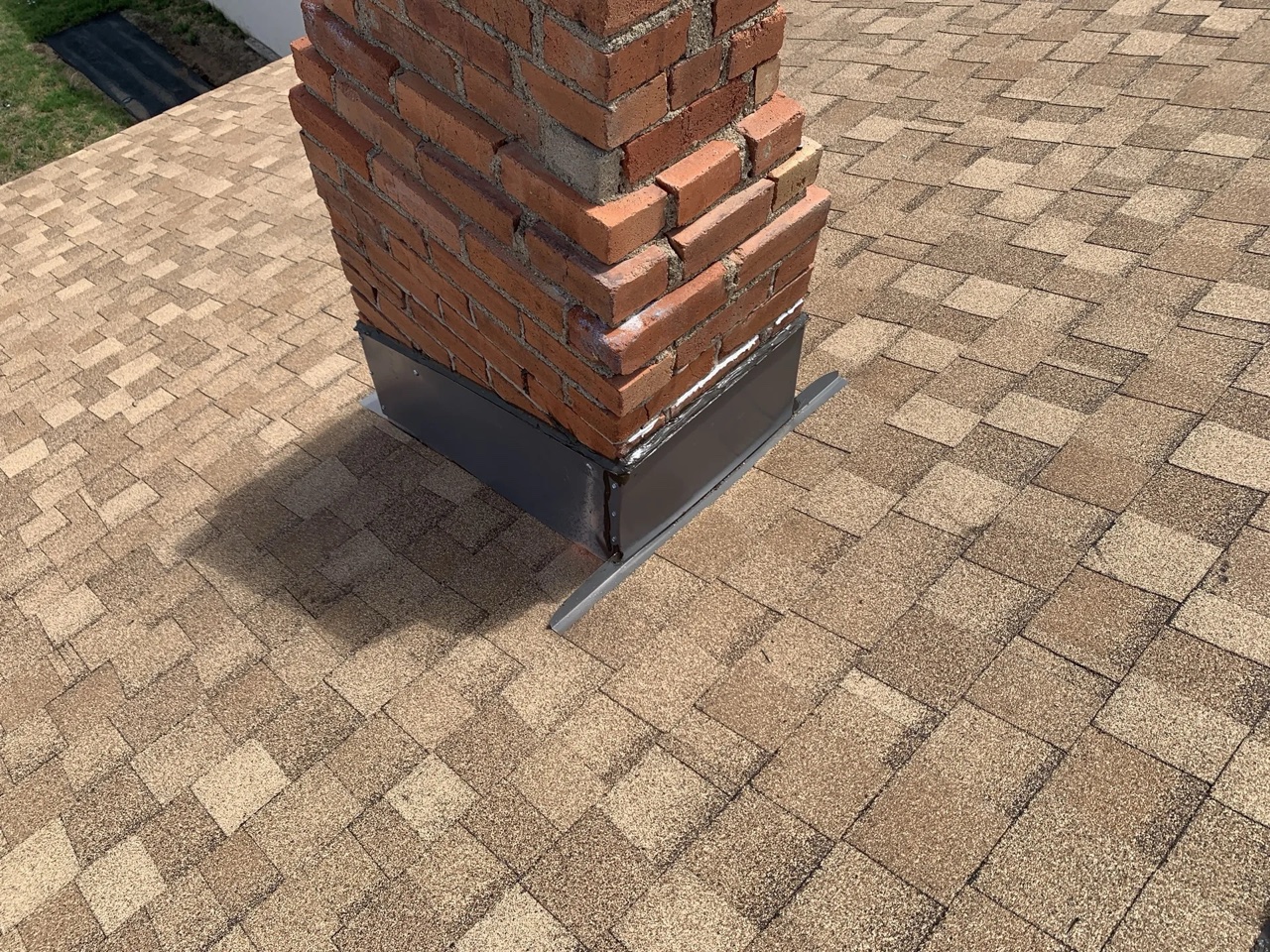
On commercial buildings and any roof with a slope below 2:12, water can't sheet off fast enough for shingles or metal panels to work. Single-ply membrane systems take over. TPO (thermoplastic polyolefin) is currently the most common choice — a white reflective membrane heat-welded at the seams to form a continuous watertight surface. It performs well on flat roofs, reflects solar heat (reducing cooling loads), and is compatible with rooftop HVAC equipment.
EPDM (synthetic rubber) is the other common single-ply option, typically black, and installed with adhesive or mechanical fasteners rather than heat-welding. Built-up roofing (BUR) — alternating layers of asphalt and felt topped with aggregate — is an older system still found on commercial properties but rarely specified on new construction.
Clay and Concrete Tile
Tile roofing — clay (terracotta) or concrete — is common in the Southwest and Southeast but relatively rare in the Texas Panhandle. Tile is heavy: clay tile typically runs 9–12 pounds per square foot, requiring a reinforced roof deck and structural consideration. The lifespan is excellent (50+ years for quality clay tile), and it's inherently fire-resistant. The weight and cost make it a poor fit for most Panhandle homes where asphalt shingles or metal roofing handle the conditions at a fraction of the installed price.
Wood Shakes and Shingles
Wood shakes (rough-split) and wood shingles (sawn smooth) are cedar or redwood roofing products with a natural aesthetic and decent insulating value. They're uncommon in new residential construction today, primarily because they require more maintenance, have shorter lifespans than comparable asphalt, and carry higher fire risk unless treated with fire retardant. In hail country they perform poorly — wood shakes are especially susceptible to splitting and fracturing from hail impact.
Choosing the Right Material for Your Roof
The right choice depends on your roof's pitch, your building's structural capacity, your budget, and the specific exposure you're dealing with. For most Amarillo-area homeowners with a pitched residential roof, impact-resistant architectural asphalt shingles are the practical answer — they're available locally, installers are experienced with them, and insurers understand them. Metal roofing is worth the conversation if you're planning to stay long-term and want to minimize future replacement cycles.
For commercial low-slope roofs, TPO is the default starting point. Our commercial roofing team can evaluate your existing membrane and recommend repair or replacement.
Not sure which roofing material is right for your project? Call 5 Star Commercial Roofing at (806) 622-6041 or visit our residential roofing page to schedule a free inspection. We've been roofing in the Texas Panhandle for 11 years and can give you a straight answer on what your specific roof needs.
Frequently Asked Questions
What is the most common roofing material for homes?
Asphalt shingles — specifically architectural (dimensional) shingles — are the most common residential roofing material in the United States. They balance cost, availability, and performance well. In hail-prone areas like the Texas Panhandle, impact-resistant Class 4 architectural shingles are the standard recommendation.
How long do different roofing materials last?
Lifespans vary significantly by material: three-tab asphalt shingles typically last 15–20 years; architectural asphalt shingles 25–30 years; metal roofing 40–70 years depending on the system; clay or concrete tile 50+ years; and TPO commercial membranes 20–30 years with proper maintenance. In hail country, actual lifespan depends heavily on storm frequency and impact resistance.
What roofing material is best for hail?
Impact-resistant asphalt shingles rated UL 2218 Class 4 are the most practical choice for hail-prone areas. They resist granule loss and cracking better than standard shingles, and many Texas insurers offer a premium discount for Class 4 roofs. Standing-seam metal also performs well but costs significantly more upfront.
What is TPO roofing?
TPO (thermoplastic polyolefin) is a single-ply membrane used on low-slope and flat commercial roofs. It is installed as a continuous sheet heat-welded at the seams, creating a watertight surface. TPO is energy-efficient (white reflective surface), durable, and the dominant choice for commercial flat roofs today.
Can I mix roofing materials on the same house?
Sometimes, yes. A standing-seam metal roof can be used on a low-slope porch section while architectural shingles cover the main pitched roof. However, the transition must be carefully flashed to prevent leaks at the junction. A qualified roofer should evaluate whether a mixed system is appropriate for your specific roof geometry.
Need a roof inspection?
Free, no-pressure roof inspections from a locally owned Amarillo company. We'll walk you through exactly what we find — with photos.