What Is a TPO Roof? A Commercial Property Owner's Guide
TPO roofing is a single-ply membrane used on commercial flat roofs. Learn how it works, why it reflects heat, and what Texas Panhandle conditions mean for it.
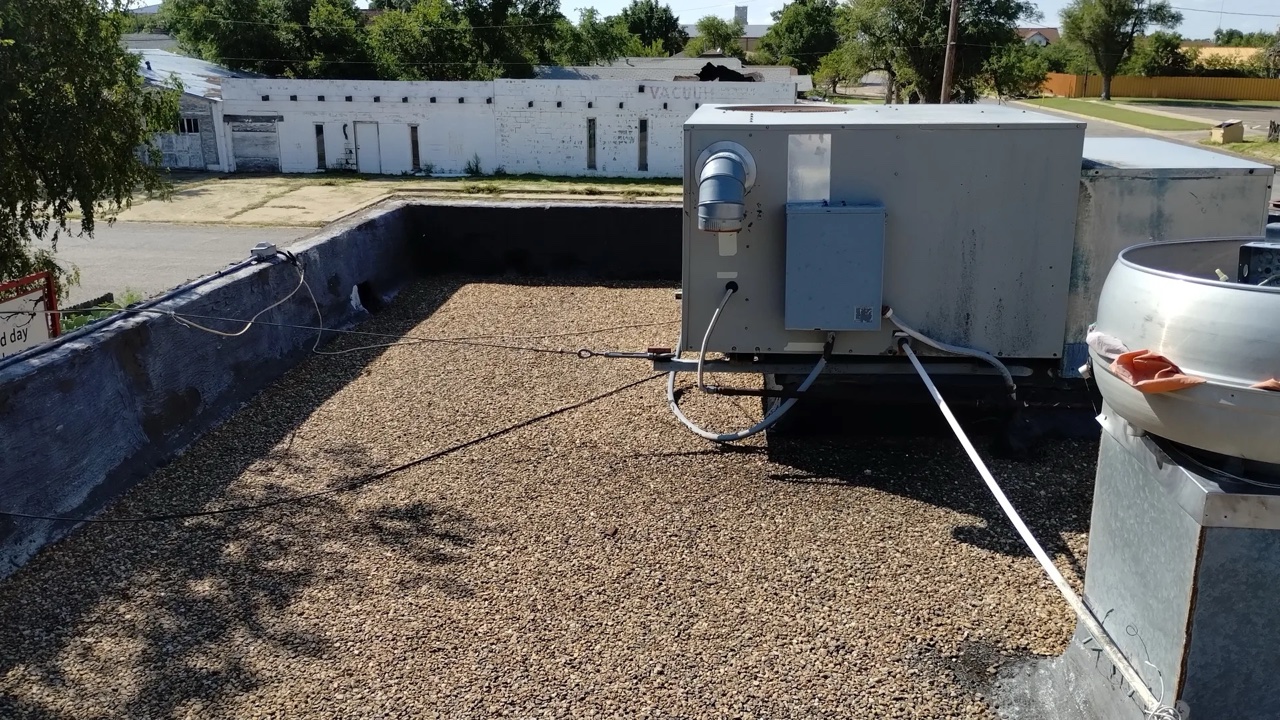
A TPO roof is a thermoplastic polyolefin single-ply membrane installed on low-slope and flat commercial buildings. It's currently the most widely used commercial roofing membrane in the U.S., and for commercial property owners in the Texas Panhandle, its combination of reflectivity, weldable seams, and manufacturer warranty depth makes it a common first choice for warehouses, retail buildings, office parks, and light industrial structures.
What Makes TPO Different From Other Flat Roofing Systems
There are three main single-ply membrane categories used in commercial roofing: TPO, EPDM (rubber), and PVC. TPO sits between the two in most respects — it's less expensive than PVC, more reflective than EPDM, and easier to weld than either.
The defining physical characteristic is the seam. TPO sheets are hot-air welded at overlapping edges, which means the seam is actually a fused weld — not a taped joint, not an adhesive bond. Done correctly by a certified installer, a TPO weld is stronger than the membrane itself. That matters in the Texas Panhandle, where average sustained winds run 14.3 mph and severe storms drive much higher gusts.
The other key characteristic is reflectivity. White TPO is rated by the Cool Roof Rating Council and qualifies for ENERGY STAR cool roof certification when it meets the program's initial solar reflectance threshold of 0.65 or higher for low-slope applications, with aged reflectance maintained above 0.50 at three years. For a commercial building in Amarillo where rooftop equipment runs hard in summer, that reflective surface reduces the cooling load on the building below.
Thickness, Warranty, and What They Actually Mean
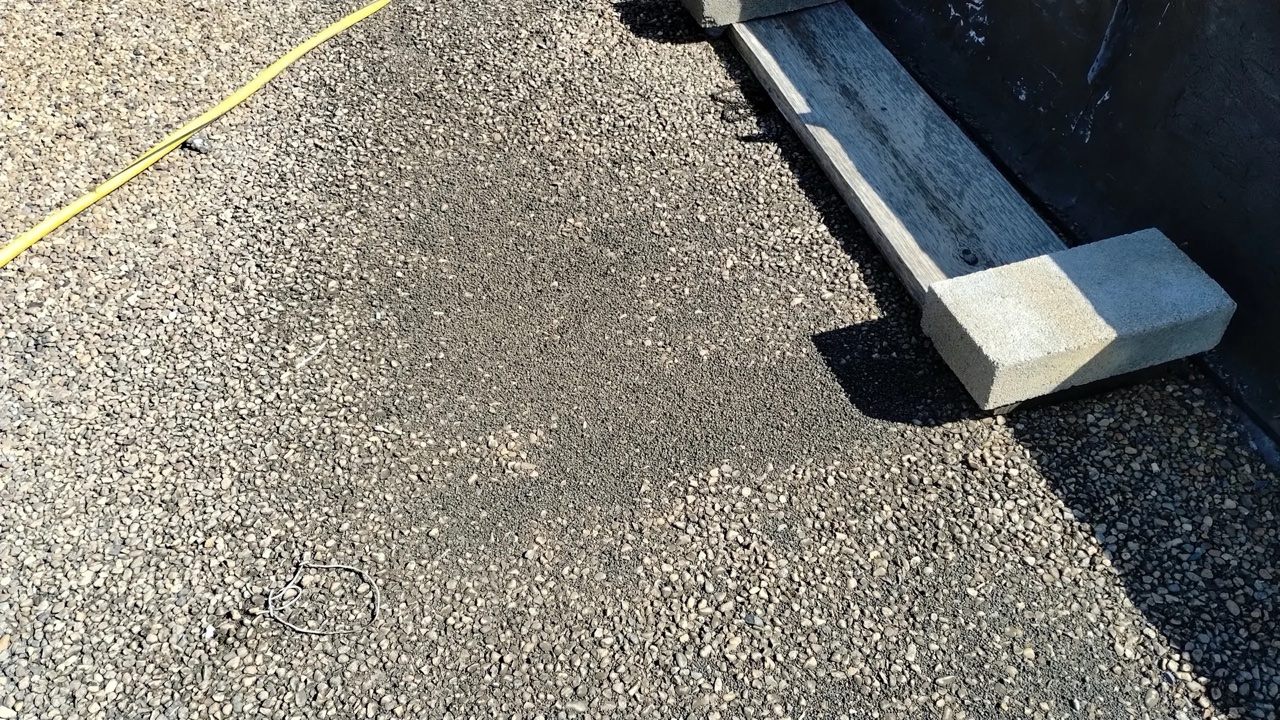
TPO is manufactured in 45-mil, 60-mil, and 80-mil thicknesses. Mil = thousandths of an inch — 80-mil is nearly twice the material of 45-mil.
Thickness drives two things: puncture resistance and warranty eligibility. The major manufacturers — Carlisle SynTec and Firestone Building Products — offer warranties up to 30 years on 80-mil fully adhered systems, while 45-mil systems typically qualify for 10-to-15-year warranty coverage. Firestone alone has manufactured over 5 billion square feet of TPO globally since introducing UltraPly in the mid-1990s.
For a commercial property owner deciding between 45- and 60- or 80-mil: the thicker membrane costs more upfront, but the warranty delta is significant. A 15-year warranty vs. a 30-year warranty on the same building means a full replacement cycle difference over the life of the asset. On a large commercial footprint, that math favors the premium membrane.
What Texas Panhandle Conditions Do to a TPO System
Potter County ranks in the top 10 nationally for hail frequency. Since 2000, Amarillo has logged 131 hail days and averages 8 to 12 hailstorms per year — the largest stone on record was a 4.25-inch softball-sized hailstone in May 2019. For a flat commercial roof, hail isn't just a surface damage concern — it can compromise membrane integrity at seams, penetrations, and termination points if the membrane is undersized or the flashing detail isn't tight.
Elevation compounds the problem. At 3,600 feet above sea level, UV intensity in the Texas Panhandle is meaningfully higher than at coastal Texas elevations. UV stress accelerates degradation in any membrane over time. TPO's built-in UV stabilizers and reflective surface address this better than dark-surface alternatives, but they don't eliminate the need for periodic inspection — particularly at seams and around roof penetrations where HVAC curbs, pipe boots, and drains are vulnerable.
When to Consider TPO for Your Commercial Building
TPO is a strong fit when:
- You're replacing or recovering a low-slope or flat commercial roof
- The building has significant rooftop HVAC equipment (TPO holds up well around penetrations when properly flashed)
- Reducing cooling costs is a priority — the reflective surface pays back in summer utility bills
- You want a long-term manufacturer warranty with documented warranty eligibility requirements
- You're in a hail-exposed region and want a membrane with documented puncture resistance
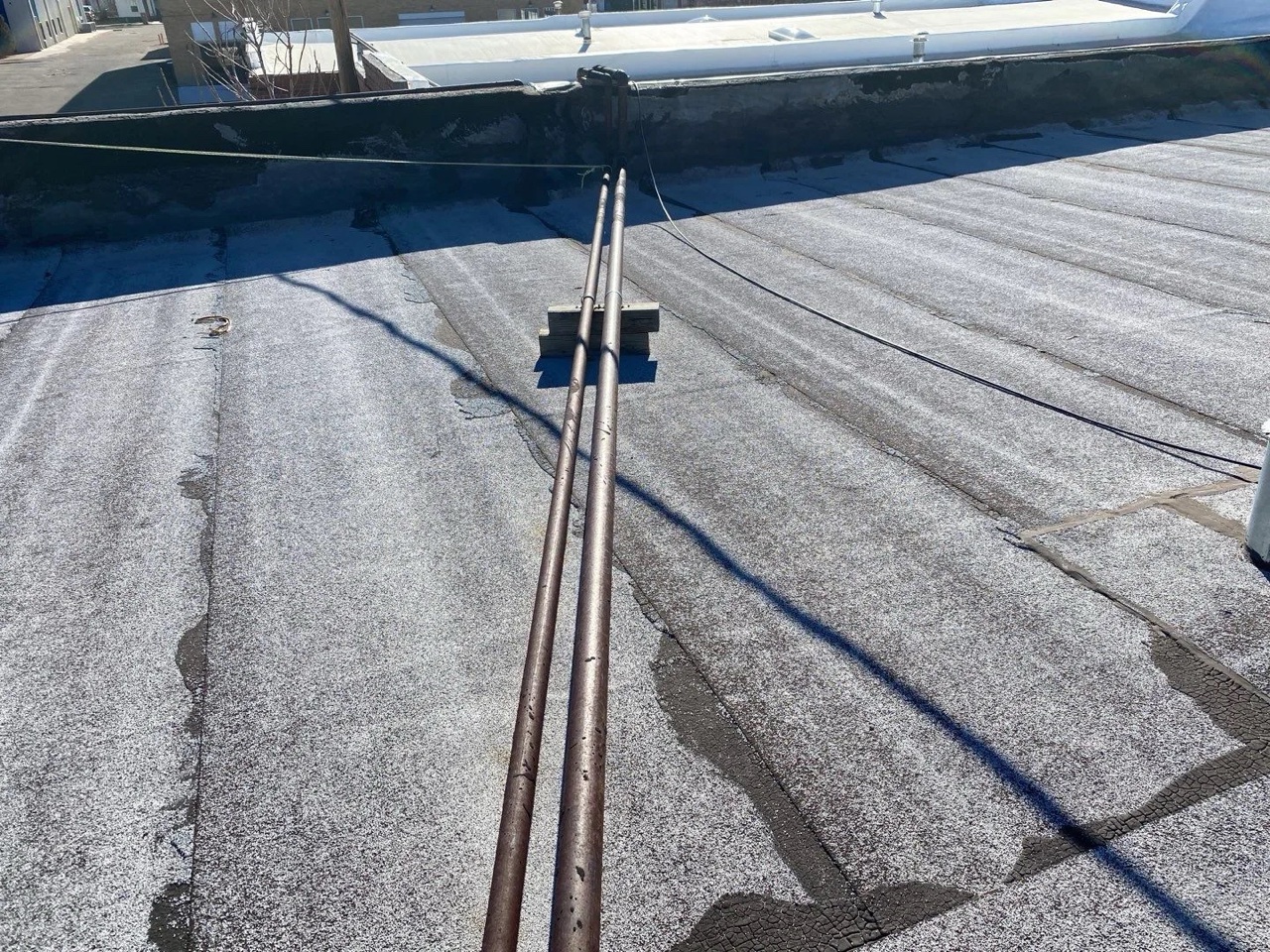
It's worth an honest conversation about alternatives when the existing roof assembly has moisture intrusion or failed insulation — recover in that case just delays the problem. A core-cut inspection by a qualified commercial roofer tells you what's actually under the existing surface before you commit to a scope.
5 Star Commercial Roofing has been installing and maintaining commercial roofing systems across the Texas Panhandle for 11 years. We work with the major TPO manufacturers and carry certified installer credentials for warranted system installations.
Ready for a free commercial roof inspection? Call (806) 622-6041 or visit our commercial roofing page to schedule. If your building has taken hail damage, we can also walk you through storm damage documentation and repair — no obligation.
Related Resources
Frequently Asked Questions
What does TPO stand for in roofing?
TPO stands for thermoplastic polyolefin. It's a single-ply membrane roofing material used on low-slope commercial and industrial roofs. The membrane is manufactured in large sheets that are rolled out and welded together at the seams using hot air, creating a continuous waterproof surface.
How long does a TPO roof last?
A properly installed TPO roof typically lasts 20–30 years, depending on membrane thickness and maintenance. Standard 45-mil membranes generally run 15–20 years. Premium 60- to 80-mil systems from manufacturers like Carlisle and Firestone are engineered for 25–30 years and back that up with warranty coverage to match.
Is TPO roofing good for hot climates like the Texas Panhandle?
Yes. TPO's white reflective surface is specifically why it performs well in hot climates. It qualifies for ENERGY STAR cool roof status by meeting the program's initial solar reflectance requirement of 0.65 or higher for low-slope applications. In a market like Amarillo — intense summer sun, 3,600-foot elevation, and UV that degrades materials fast — that reflectivity keeps roof surface temperatures down and reduces the thermal cycling that wears membranes out.
How is TPO roofing installed?
TPO is installed in one of three ways: mechanically fastened (membrane screwed through insulation into the deck), fully adhered (membrane bonded to the substrate with adhesive), or ballasted (weighted down with stone). Seams are heat-welded with hot air, which fuses the sheets into a single monolithic surface. A qualified commercial roofer will specify the installation method based on wind uplift requirements, building code, and the existing roof assembly.
Can you put TPO over an existing flat roof?
Sometimes. Whether a recover is feasible depends on the condition of the existing membrane and insulation, how many layers are already in place, and what local code allows. When the existing system has moisture intrusion, failed insulation, or significant membrane deterioration, a full tear-off is the right call — recovering over a compromised deck just traps problems. A qualified commercial roofer should core-cut the existing assembly before recommending recover vs. replacement.
Need a roof inspection?
Free, no-pressure roof inspections from a locally owned Amarillo company. We'll walk you through exactly what we find — with photos.