What Are Architectural Shingles?
Architectural shingles are laminated asphalt shingles that outlast 3-tab by a decade. How they're built, why hail ratings matter, and what to ask in Amarillo.
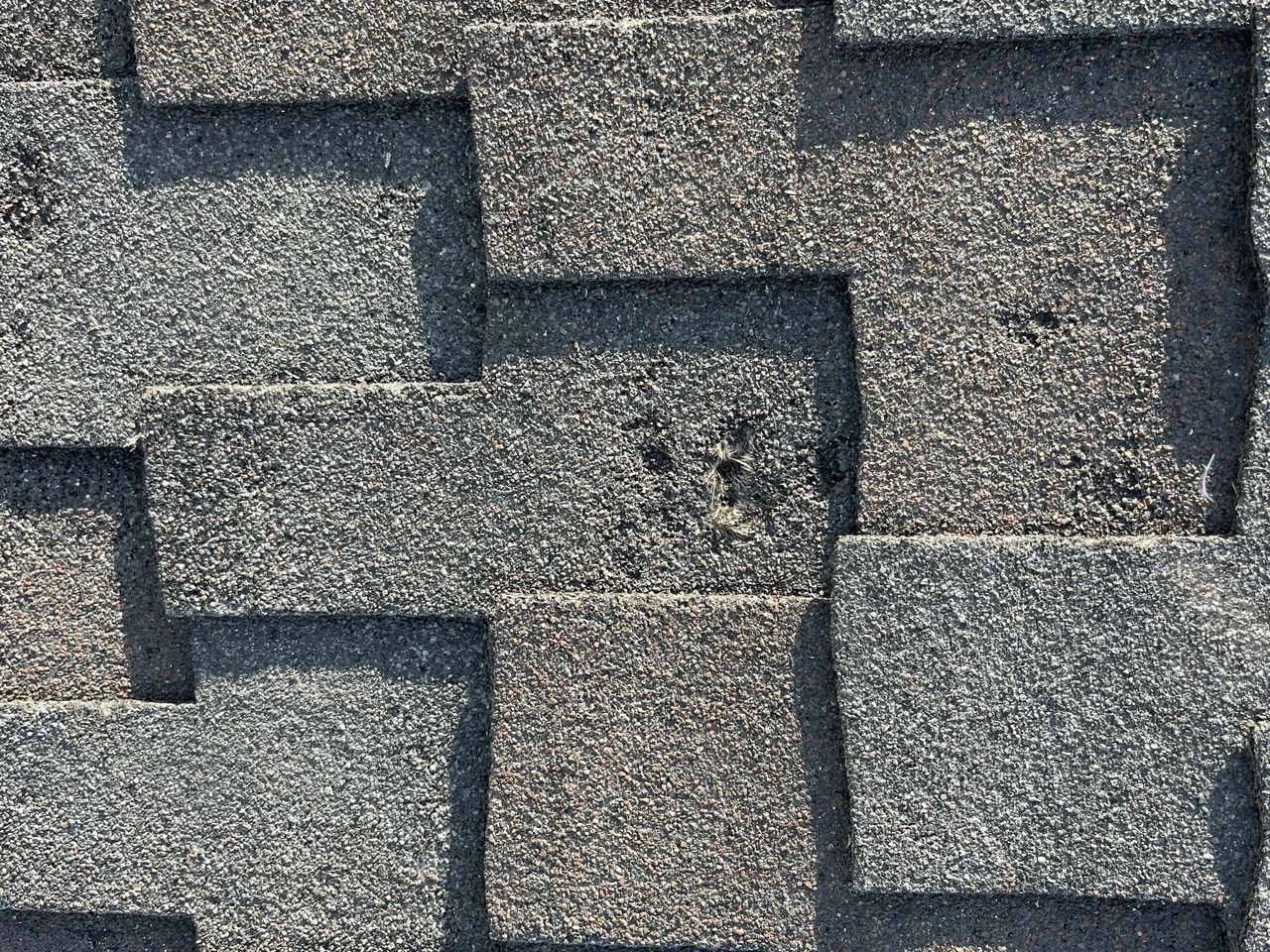
Architectural shingles — also called dimensional or laminated shingles — are two or more layers of asphalt-coated fiberglass bonded together into a single shingle. That laminated construction is what separates them from the older single-layer 3-tab shingles that covered most Texas homes built before 2000. If you're replacing a roof in the Panhandle, architectural shingles are almost certainly what your contractor is quoting you, and for good reason.
How architectural shingles are built
A standard 3-tab shingle is one flat sheet of fiberglass mat coated with asphalt and embedded granules. It's light, simple, and relatively thin. An architectural shingle takes that same concept and laminates a second (sometimes third) layer on top, offset to create the raised, shadow-line profile you see on most newer homes.
The extra layer isn't just cosmetic. It adds mass, which absorbs impact energy better. It also creates a more irregular surface that sheds water faster and gives the roof a visual depth that flat shingles can't replicate.
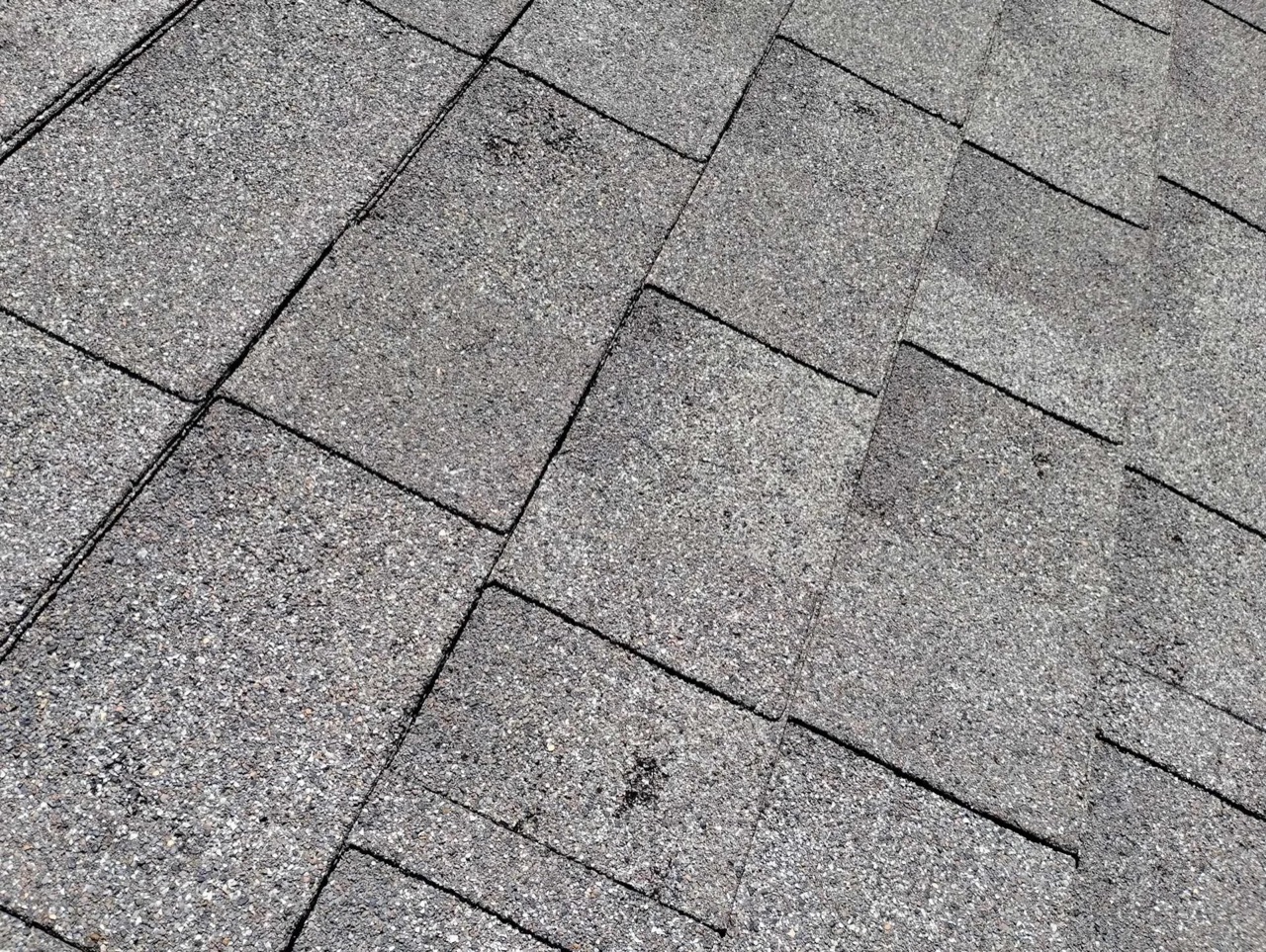
Most architectural shingles from major manufacturers like GAF and Owens Corning carry 30-year to lifetime limited warranties. CertainTeed's Landmark series, for example, comes with a lifetime limited transferable warranty. That's a meaningful step up from the 20-25 year coverage typical of 3-tab products — and it transfers to the next owner, which matters at resale.
Why impact resistance matters here
Amarillo sits at the center of what climatologists call Hail Alley, where dry desert air out of New Mexico collides with moisture pushing north from the Gulf. Potter County ranks in the top ten nationally for hail frequency. Since 2000, the Texas Panhandle has recorded 131 hail days. The region averages 8 to 12 hailstorms per year. The largest stone recorded near Amarillo was 4.25 inches across — softball-sized — in May 2019.
That context changes how you should think about shingle selection. Not all architectural shingles handle impact the same way. The industry uses the UL 2218 impact resistance standard to classify products on a scale from Class 1 to Class 4. Class 4 is the highest rating and requires the shingle to survive a simulated 2-inch hailstone impact without cracking through to the backing.
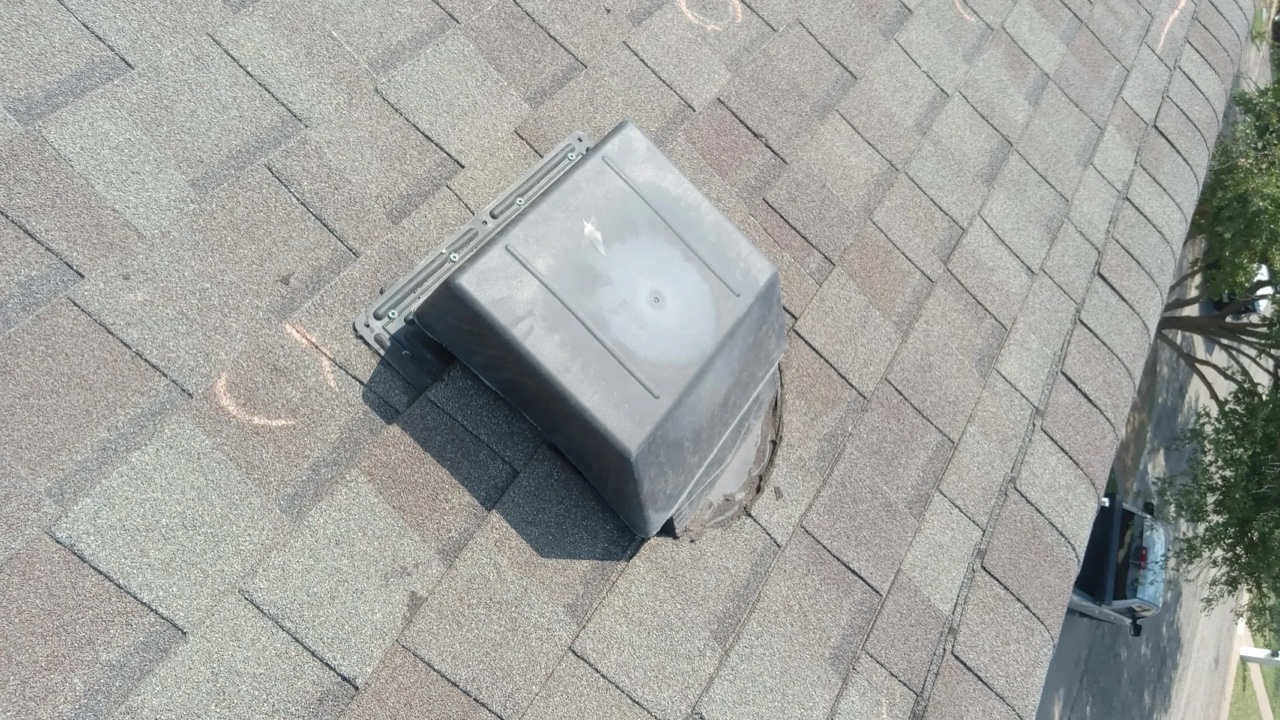
If you're in a neighborhood that took a direct hit in a recent storm, Class 4 materials aren't a luxury. They're the practical choice. And there's a financial incentive on top of the protection: the Texas Department of Insurance allows carriers to offer premium credits for UL 2218 Class 4-rated roofs. After installation, your contractor documents the materials on TDI form PC068 and provides it to your insurer. The credit varies by company, but it's a real offset worth asking about before you finalize your material selection.
What to look for when comparing products
When a contractor gives you an architectural shingle option, the things worth asking about are:
- Impact resistance class — Is it Class 3 or Class 4? Not all dimensional shingles are the same.
- Wind rating — Standard installations typically carry a 110-130 mph wind warranty. Some systems qualify for higher ratings or even unlimited wind warranties when specific accessories are used with them.
- Warranty transferability — A lifetime warranty that transfers to the next owner is worth more than one that doesn't.
- Algae resistance — Less of a concern in the arid Texas Panhandle than in humid coastal climates, but still worth confirming if you're on a light-colored roof.
Any reputable contractor should be able to tell you the UL 2218 class of the product they're quoting without you having to ask twice.
What this means for your Amarillo roof
Architectural shingles are the standard for residential roof replacement in the Texas Panhandle, and the baseline product your contractor quotes is probably a decent one. The real decision is whether to step up to a Class 4 impact-resistant option — and in a market where hail season runs from March through October, that upgrade typically pays for itself faster than homeowners expect, either through avoided damage or reduced premiums.
One thing often overlooked: even a quality shingle underperforms if the installation is rushed or the attic ventilation is inadequate. Heat buildup from poor ventilation can shorten shingle life by years, and it voids most manufacturer warranties. When you're comparing bids, ask each contractor how they handle ridge ventilation and whether they're installing a starter strip along the eaves. Those details separate a roof that lasts 30 years from one that starts showing problems at year 12.
If you're not sure what's currently on your roof or whether it's still performing, an inspection is the right starting point. We cover asphalt shingle roofing in Amarillo and can walk you through the product options that make sense for your home, your exposure, and your budget.
Ready to talk through your options? Call (806) 622-6041 or schedule a free inspection online.
Related Resources
Frequently Asked Questions
What is the difference between architectural shingles and 3-tab shingles?
3-tab shingles are a single flat layer of asphalt-coated fiberglass. Architectural shingles bond two or more layers together, making them heavier, thicker, and more resistant to wind and impact. Most Texas Panhandle contractors stopped installing 3-tab on new roofs years ago.
How long do architectural shingles last?
Most architectural shingles carry manufacturer warranties of 30 years to lifetime. Real-world lifespan in a hail-prone climate like Amarillo depends heavily on impact resistance class, installation quality, and attic ventilation. A Class 4-rated product gives you the best shot at reaching that warranty period.
Are architectural shingles worth the extra cost?
In the Texas Panhandle, yes. Amarillo averages 8 to 12 hailstorms a year. Upgrading to a Class 4 impact-resistant architectural shingle can qualify you for a Texas Department of Insurance discount on your homeowner's premium, which offsets some of the cost difference over time.
What does Class 4 impact resistance mean?
Class 4 is the highest rating under the UL 2218 impact resistance standard. It means the shingle survived a drop test simulating a 2-inch diameter hailstone — the most severe testing category. Not all architectural shingles are Class 4; you have to specifically request impact-resistant products.
Can I get an insurance discount for Class 4 shingles in Texas?
Yes. The Texas Department of Insurance allows carriers to offer premium credits for roofs installed with UL 2218 Class 4-rated materials. After installation, your contractor fills out TDI form PC068. The exact discount varies by insurer, but it's worth asking your agent before you select materials.
Related Guides
Need a roof inspection?
Free, no-pressure roof inspections from a locally owned Amarillo company. We'll walk you through exactly what we find — with photos.