What Is a Flat Roof?
A flat roof is a low-slope roofing system used on commercial buildings. Learn how flat roofs work, the common membrane types, and why drainage is everything.
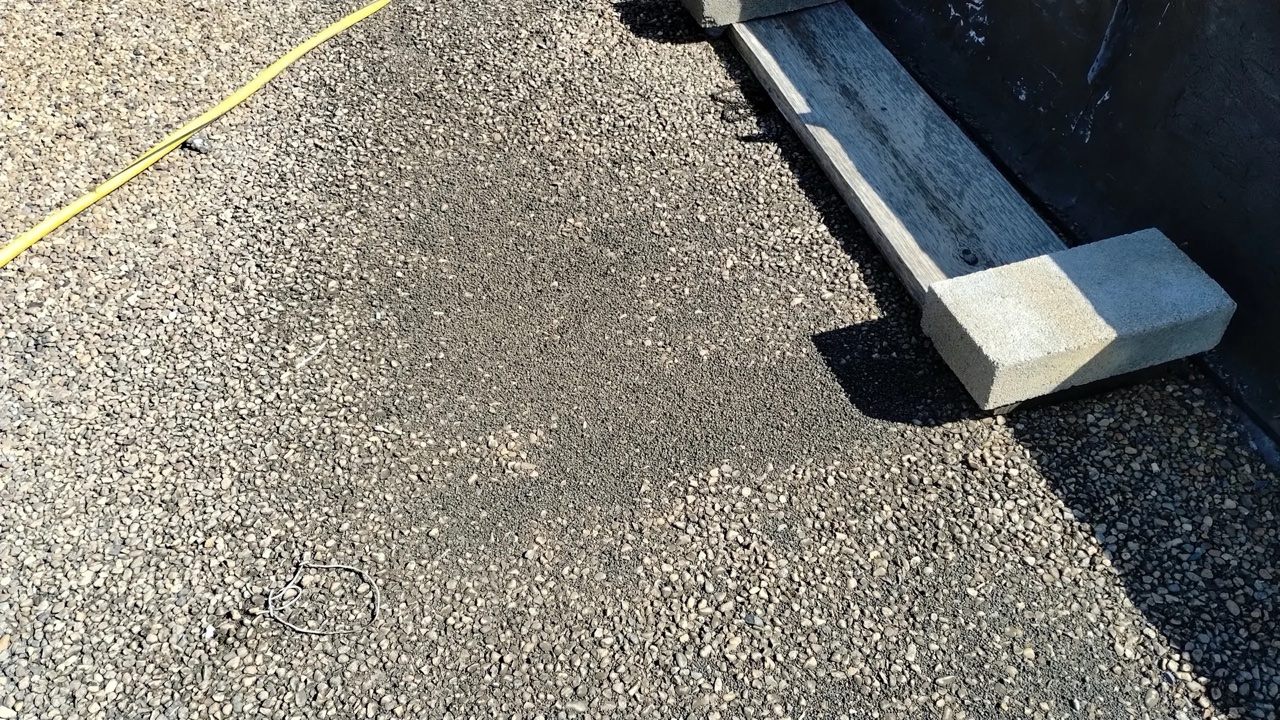
A flat roof is a low-slope roofing system with a pitch of 2:12 or less — meaning it rises no more than 2 inches for every 12 inches of horizontal run. Despite the name, flat roofs aren't truly level. They include a deliberate pitch to move water toward drains, gutters, or scuppers. Without that slope, water has nowhere to go, and standing water is the primary enemy of any flat roof system.
Flat roofs are the standard for commercial buildings: retail strips, warehouses, office buildings, churches, and industrial facilities across the Texas Panhandle rely on them. They offer more usable rooftop space, easier HVAC equipment access, and lower material costs on large footprints compared to pitched systems.
How a Flat Roof Is Built
The National Roofing Contractors Association (NRCA) defines low-slope roofing as any roof with a pitch below 3:12. At that angle, water sheds too slowly for exposed asphalt shingles to work reliably — which is why flat roofs use continuous waterproof membranes instead of overlapping shingles.
A typical flat roof assembly has three layers working together:
- The deck — structural substrate, usually steel, concrete, or wood, depending on the building type
- The insulation — rigid foam board, typically polyisocyanurate, set on top of the deck to improve energy performance
- The membrane — the waterproofing layer that takes direct exposure to weather, UV, and foot traffic
The membrane is where most of the design decisions and maintenance attention live.
The Main Types of Flat Roof Membranes
TPO (Thermoplastic Polyolefin) is the most widely installed flat roof membrane in new commercial construction today. It's a single-ply white or light-colored sheet that reflects heat, seams with hot-air welding, and performs well in high-UV environments. For a commercial building in the Texas Panhandle where summer temperatures push 100°F, the reflective surface reduces cooling loads.
EPDM (Ethylene Propylene Diene Monomer) is a synthetic rubber membrane — typically black — that's been the industry standard for decades. It handles thermal cycling well, which matters in West Texas where temperature swings between a winter night and a summer afternoon can exceed 80°F. EPDM seams are glued or taped rather than welded.
Modified bitumen is an asphalt-based membrane reinforced with polyester or fiberglass. It's installed in layers — either torch-applied, cold-applied, or self-adhered. Modified bitumen is a practical option for re-roofing over existing built-up systems.
Built-up roofing (BUR) is the oldest modern flat roof technology: alternating layers of bitumen and reinforcing fabric, finished with a gravel or mineral surface. BUR systems are durable and redundant — multiple plies mean a single layer failure doesn't immediately become a leak. Many older commercial buildings in Amarillo still carry original BUR systems.
Drainage Is the Critical Design Element
On a pitched roof, rain runs off in seconds. On a flat roof, it has to find its way to a drain point — and the path matters. Flat roofs use three main drainage approaches:
- Interior drains — positioned at low points in the roof, connected to internal piping. Common on large commercial roofs where perimeter drainage isn't practical. Require regular clearing of leaves and debris.
- Scuppers — openings in the parapet wall that let water exit at roof level. Lower maintenance than interior drains, but require proper sizing for the roof area.
- Gutters and downspouts — used on smaller flat or low-slope roofs where the roof edge allows perimeter drainage.
Proper drainage design accounts for the roof area, expected rainfall intensity, and drain capacity. In the Texas Panhandle, summer thunderstorms can dump significant rainfall in 30–60 minutes — a flat roof drainage system needs to handle peak flow, not just average rainfall.
Flat Roofs in the Texas Panhandle
Amarillo's climate puts flat roofs through a full range of stresses. Summers hit triple digits. Winters bring hard freezes. The NOAA average wind speed for Amarillo runs 14.3 mph, and the region sees 8–12 hailstorms per year — with Potter County ranking in the top 10 nationally for hail frequency.
Each of those factors affects flat roof performance:
- Wind uplift — Flat roof membranes are secured with mechanical fasteners, adhesives, or ballast. High winds create uplift pressure at seams and edges. Proper attachment rates matter more at 3,600 feet elevation on the exposed Panhandle plains than in sheltered urban settings.
- Hail impact — TPO and EPDM membranes can be punctured or cracked by hail larger than 1 inch in diameter. The largest stone recorded near Amarillo measured 4.25 inches — softball-sized — in May 2019. After major hail events, a membrane inspection is not optional.
- Thermal cycling — The 80°F temperature swings common in West Texas cause membranes to expand and contract repeatedly. This cycles stress onto seams and penetration flashing, which is where most flat roof leaks originate.
For commercial roofing service in Amarillo, 5 Star Commercial Roofing works with TPO, EPDM, modified bitumen, and BUR systems. If you're not sure what's on your building or whether it's still performing, a professional roof inspection gives you a clear picture before you have a leak.
Questions about your commercial flat roof? Call 5 Star Commercial Roofing at (806) 622-6041 or contact us online to schedule an inspection. We serve Amarillo, Canyon, Borger, Pampa, Lubbock, Midland, Odessa, and across the Texas Panhandle.
Frequently Asked Questions
What is a flat roof?
A flat roof is a low-slope roofing system with a pitch between 0:12 and 2:12. Despite the name, true flat roofs include a slight pitch to direct water toward drains or scuppers. They're standard on commercial buildings, warehouses, and retail strips.
How long does a flat roof last?
Lifespan depends on the membrane type. TPO and EPDM systems typically last 20–30 years with proper maintenance. Modified bitumen runs 15–20 years. Built-up roofing (BUR) can last 25–30 years when installed correctly and maintained. Regular inspections and timely repairs extend any flat roof's life significantly.
What are the main types of flat roof membranes?
The most common systems are TPO (thermoplastic polyolefin), EPDM (ethylene propylene diene monomer), modified bitumen, and built-up roofing (BUR). Each has different performance characteristics, cost profiles, and installation methods. TPO is the most common choice for new commercial construction today.
Do flat roofs leak more than pitched roofs?
Flat roofs don't leak more by design, but they have less margin for error. Water that doesn't drain quickly pools on the surface, and even a small membrane breach allows water in fast. Proper drainage design and routine maintenance are what separates a reliable flat roof from a problem one.
Can a flat roof handle hail in Amarillo?
It can, but hail is a real concern. Amarillo averages 8–12 hailstorms per year, and large hail can puncture or crack flat roof membranes. After any significant storm, a professional inspection of your membrane surface, seams, and penetrations is the right call — damage that looks minor can become a major leak within one rain cycle.
Related Guides
Need a roof inspection?
Free, no-pressure roof inspections from a locally owned Amarillo company. We'll walk you through exactly what we find — with photos.