What Is a Mansard Roof?
A mansard roof is a four-sided roof with two slopes on each side — a steep lower slope and a nearly flat upper slope — creating extra living space inside.
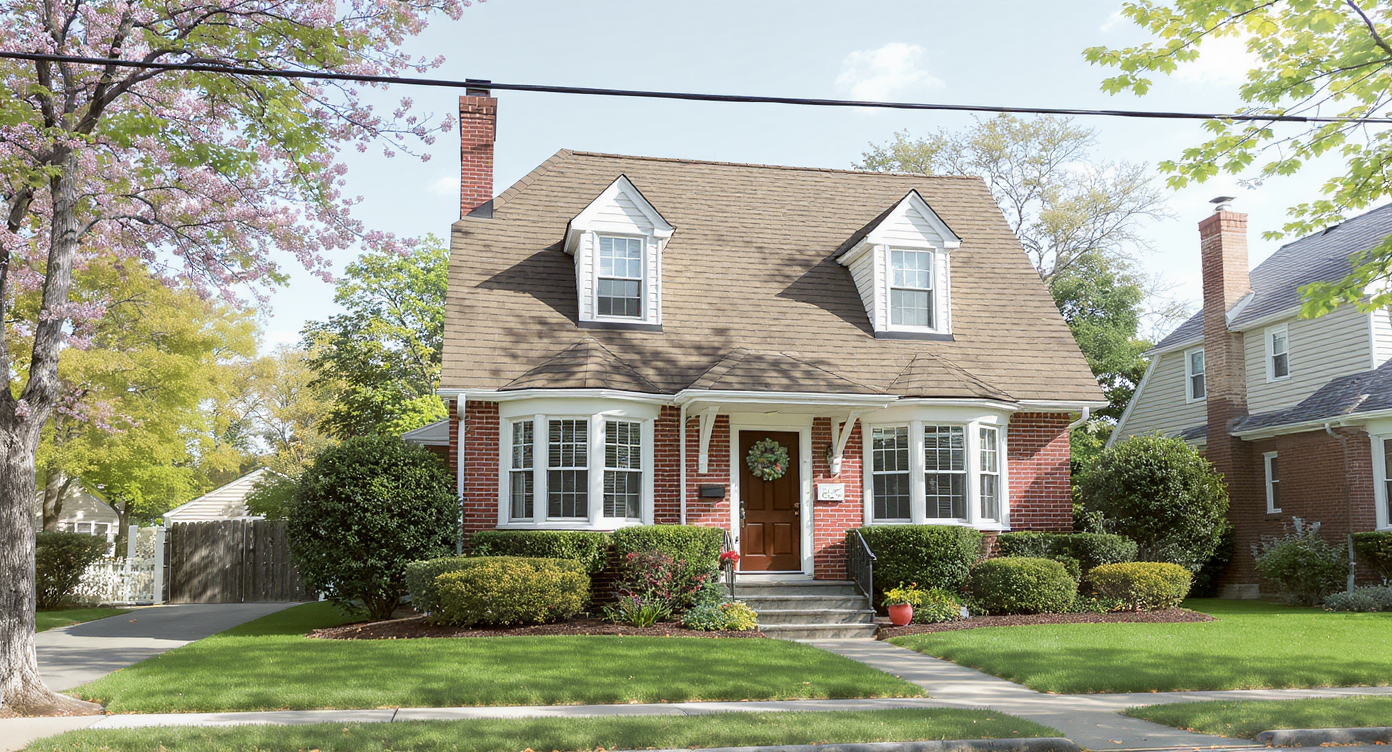
A mansard roof is a four-sided roof with a double slope on every side — a steep lower section and a nearly flat upper section — so the whole upper story of a building is contained inside the roof structure itself. If you have seen a classic Parisian building or an old American courthouse with a steep-sided roof full of windows and dormers, that is a mansard.
Where the Mansard Design Comes From
The style is named after French architect François Mansart (1598–1666), who used it extensively in 17th-century France. Mansart did not invent the form — Pierre Lescot used it at the Louvre around 1550 — but his buildings made it famous enough that the style took his name.
The design spread to the United States during the Second Empire architectural movement of the 1860s–1900s, when American builders adopted the French style for government buildings, hotels, and upscale homes. Walk through the historic neighborhoods of many mid-size American cities and you will spot the signature steep sides and dormers on homes built in that era.
How a Mansard Roof Works
The structural logic is straightforward. The steep lower slope — often close to vertical — acts almost like a wall. The shallow upper slope handles water drainage. Together they create a full floor of usable space inside what would otherwise be dead attic volume. That is why mansard designs became popular wherever land was expensive or where extra stories were taxed but roof space was not.
Each side of the roof has this same two-slope profile, making it four-sided overall. Dormers are nearly always cut into the lower slopes to bring in light and ventilation for the interior space. The number, size, and style of those dormers vary widely — from simple shed dormers to elaborate arched or pedimented ones — which is part of why mansard roofs look so different from one building to the next despite sharing the same basic shape.
What to Know If You Own or Are Buying a Mansard Roof
Mansard roofs are more complex to maintain and repair than standard gable or hip roofs — which is worth understanding before you buy or build. Here is what that means in practice for residential roofing in the Texas Panhandle:
- More flashing, more failure points. Every dormer requires its own flashing. The transition between the steep lower slope and the nearly flat upper slope is another critical seal. More transitions mean more places for water to find a path in.
- Steep slopes require safety equipment. Work on the lower slopes is not a standard ladder job. Roofing crews need fall protection gear, which adds time and cost to any repair.
- Material choice matters on the lower slope. Because the lower slope is nearly vertical, water sheds fast — but impact from hail hits at a more direct angle than on a shallower roof. UL 2218 Class 4 impact-resistant shingles are the right spec for hail-prone areas. Class 4 is the highest rating available, tested by dropping a 2-inch steel ball to simulate hailstone impact.
- Gutters need regular attention. The pronounced edges of a mansard channel a lot of water. Clogged gutters back up quickly and can push water into the lower slope seams or damage fascia and siding.
Mansard Roofs in Texas Panhandle Weather
The Texas Panhandle is not typical roofing country. Amarillo averages 8–12 hailstorms per year. Potter County ranks in the top 10 nationally for hail frequency. The largest hailstone recorded near Amarillo was 4.25 inches — softball-sized — in May 2019. Average wind is 14.3 mph, with storm gusts well above that.
For a mansard roof in this environment, those facts translate into specific decisions:
- Specify Class 4 shingles on the lower slopes. The steep angle concentrates hail impact energy more than a shallow roof. Standard three-tab shingles are the wrong call here.
- Inspect after every significant storm. Damage at dormer flashings and slope transitions shows up early and stays manageable if caught quickly. Left alone, a small flashing failure becomes a framing replacement.
- Check the upper slope too. The nearly flat upper section drains slowly. After a hailstorm, granule loss there can go unnoticed for a season — until it starts leaking.
If you own a mansard-style home or commercial building in the Texas Panhandle and have not had a professional inspection this year, it is worth scheduling one before hail season peaks.
Have a mansard roof that needs an inspection or repair? Call 5 Star Commercial Roofing at (806) 622-6041 or schedule a free roof inspection online. We have worked on every roof type across the Panhandle for over 11 years — including the complicated ones.
Frequently Asked Questions
What makes a mansard roof different from a regular gable roof?
A gable roof has two slopes that meet at a ridge. A mansard roof has four sides, each with two distinct slopes — a steep lower section and a nearly flat upper section. That double-slope design is what creates usable attic space directly under the roof.
Are mansard roofs more expensive to maintain?
Yes, generally. The steeper lower slope, dormers, and multiple slope transitions mean more surface area, more flashing, and more potential failure points than a simple gable. Expect higher costs for inspections, repairs, and eventual replacement compared to standard residential roofs.
How does a mansard roof perform in hail and high wind?
The steep lower slopes take the brunt of weather in Texas Panhandle storms. Hail damage typically starts at the slope transitions and around dormers where water concentrates. Specifying UL 2218 Class 4 impact-resistant shingles for those lower slopes reduces the risk significantly.
Can I put a mansard roof on an existing house?
Converting an existing roof to mansard style is a major structural project, not a re-roofing job. It typically requires new framing, permits, and engineering review. Most homeowners who want this look build it into new construction or a major addition rather than retrofitting it.
What roofing material works best on a mansard roof?
Architectural asphalt shingles are the most common choice for residential mansard roofs — they handle the steep lower slope well and come in impact-resistant ratings suited for hail country. Slate and standing-seam metal are also used on higher-end projects for their durability and drainage characteristics.
Need a roof inspection?
Free, no-pressure roof inspections from a locally owned Amarillo company. We'll walk you through exactly what we find — with photos.