What Is Oil Canning on a Metal Roof?
Oil canning is the wavy, rippled look that can appear on flat sections of a metal roof. Here's why it happens, whether it's a real problem, and how to reduce it.
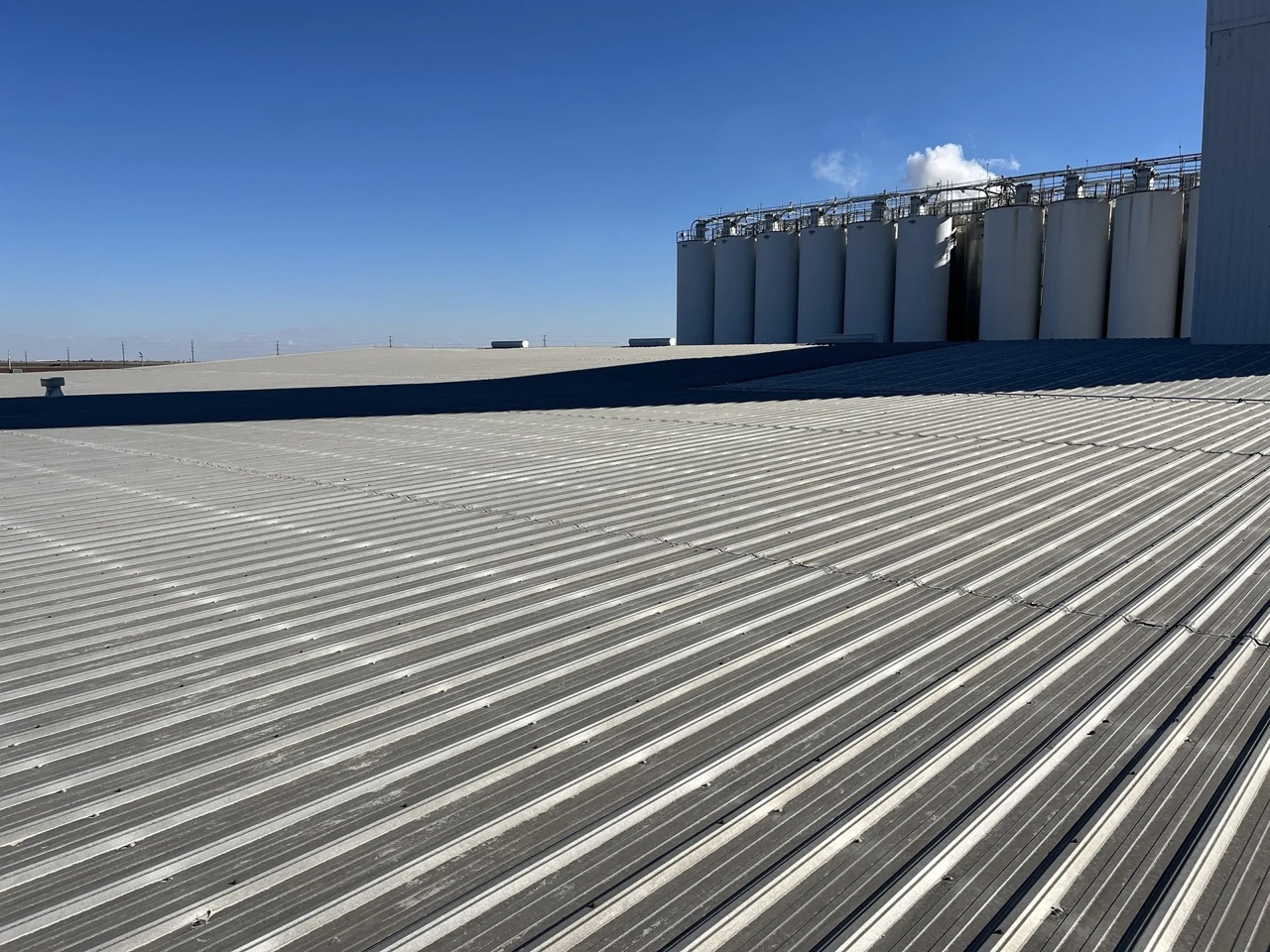
Oil canning is the wavy, rippled distortion that sometimes shows up on the flat sections of metal roof or wall panels, most noticeable on standing seam roofs with wide, unribbed pans. It's a cosmetic phenomenon, not a structural one — the panel isn't failing, it just isn't perfectly flat anymore, and light hitting it at a low angle makes the waviness obvious.
Why It Happens
Metal panels are manufactured from coiled sheet stock that gets roll-formed into shape. That process, combined with the natural internal stress in thin-gauge metal, means panels rarely come out perfectly flat at a microscopic level. Under normal conditions the unevenness is invisible. But factors like temperature swings, panel handling during installation, minor substrate irregularities, and simple manufacturing tolerances can make it visible — especially in early morning or late afternoon light, when the sun rakes across the roof at a low angle and highlights every imperfection in the surface.
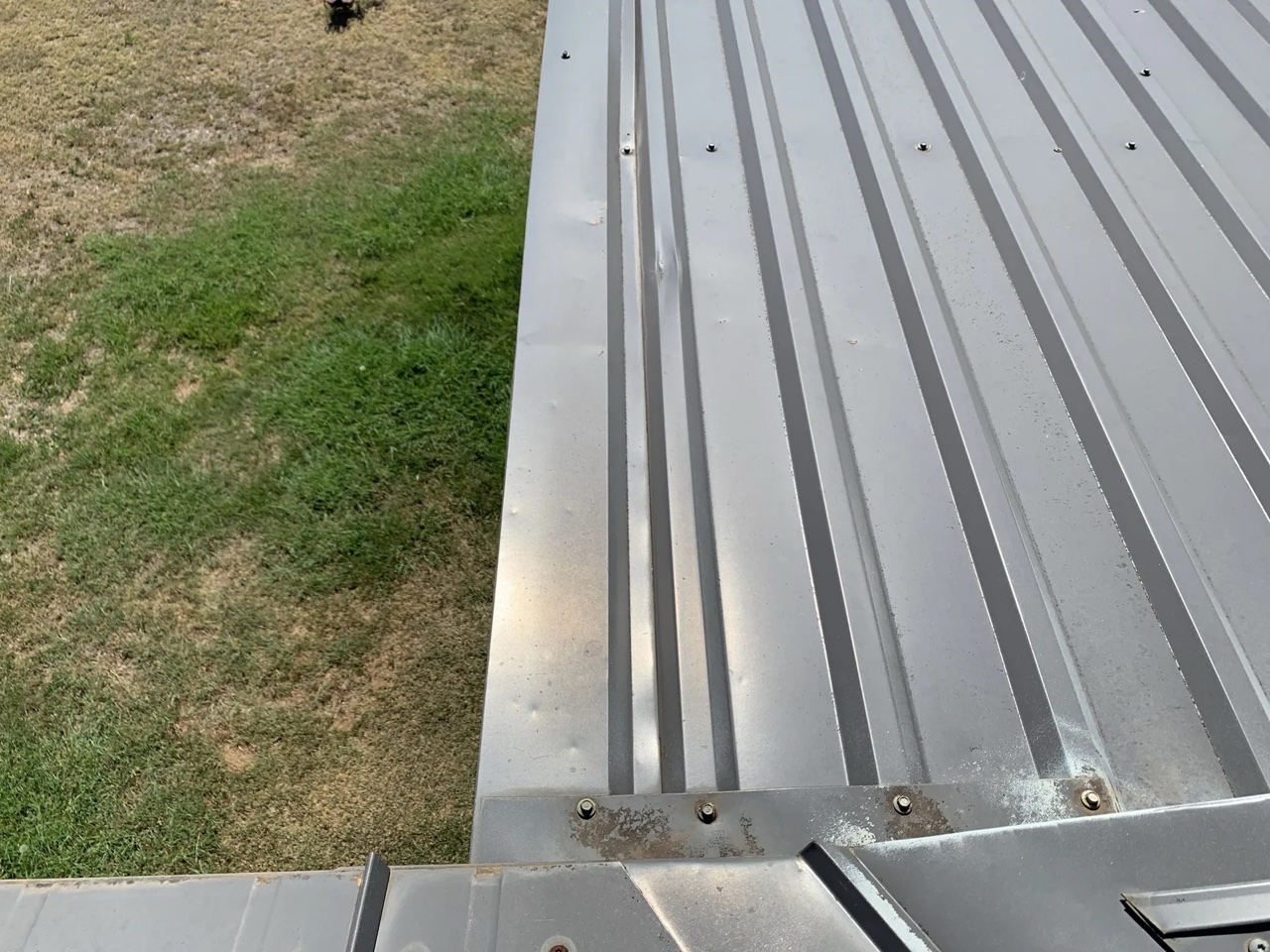
Manufacturer technical bulletins are consistent on this: it's an accepted characteristic of light-gauge metal panels, and it doesn't affect wind uplift resistance, water tightness, or long-term durability. ATAS's technical bulletin on the subject states plainly that oil canning is not a defect and is not, by itself, cause for rejecting a panel installation.
Reducing the Risk
You can't eliminate oil canning entirely on flat-pan panels, but several choices reduce how visible it is:
- Heavier gauge metal — thicker panels resist distortion better than thin ones
- Striated or ribbed panel profiles — breaking up the flat surface with texture hides minor waviness
- Proper substrate — a flat, solid deck underneath gives the panel less to react to
- Careful handling and installation — avoiding over-driven fasteners and rough handling during install
If a homeowner or building owner is set on a wide, flat-pan standing seam look, it helps to go in understanding that some oil canning is a realistic possibility, not a sign of a bad installation.
Amarillo-Specific Considerations
Metal roofing is a common choice for both residential and commercial buildings in the Texas Panhandle for its wind and hail resistance, and standing-seam systems tested to industry uplift standards perform well through the region's frequent severe weather. But Amarillo's wide daily temperature swings — hot, sun-exposed afternoons followed by cooler nights, especially at the area's 3,600-foot elevation — put more thermal cycling stress on metal panels than a milder climate would. That's one more reason panel profile selection matters here: a textured or ribbed panel holds up better against both hail impact and the visual effects of thermal movement than a wide flat pan.
Considering a metal roof for your Amarillo home or building? Call (806) 622-6041 or get a free metal roofing estimate from 5 Star Commercial Roofing.
Frequently Asked Questions
Does oil canning mean the metal roof was installed wrong?
Not necessarily. Oil canning can happen even on a correctly installed roof because it's largely a property of the metal itself — thin-gauge, light-colored, flat panels are simply more prone to it. That said, poor handling, over-driven fasteners, or an unsuitable substrate can make it worse, so it's worth having a contractor rule those out.
Is oil canning covered under warranty?
Almost never. Most manufacturer weathertightness, substrate, and paint warranties specifically exclude oil canning because it doesn't cause the panel to fail — it's an appearance issue, not a performance one. Check the specific warranty language for your panel manufacturer before assuming it's covered.
Which metal roofing styles are least prone to oil canning?
Panels with more ribs, striations, or texture per flat section resist oil canning better because there's less continuous flat surface to distort. Standing seam panels with wide, perfectly flat pans are the most susceptible. Textured or striated panel profiles are a common fix when a client wants to minimize the effect.
Can oil canning be fixed after installation?
Rarely, and not easily. Because it's caused by internal stress in the metal itself, there's no reliable field fix once panels are installed. Prevention — choosing the right gauge, panel profile, and substrate before installation — is far more effective than trying to correct it afterward.
Does darker metal roof color make oil canning worse?
Yes, generally. Dark colors absorb more heat and expand more during the day, which can make waviness in flat panel sections more visible under raking light. Lighter colors reflect more heat and tend to show oil canning less, though the underlying panel stress is the same regardless of color.
Related Guides
Need a roof inspection?
Free, no-pressure roof inspections from a locally owned Amarillo company. We'll walk you through exactly what we find — with photos.