What Is Roof Sheathing? The Deck Under Your Shingles Explained
Roof sheathing is the structural wood layer nailed to your rafters that every shingle, nail, and waterproofing layer depends on. Here's what it is and why it matters.
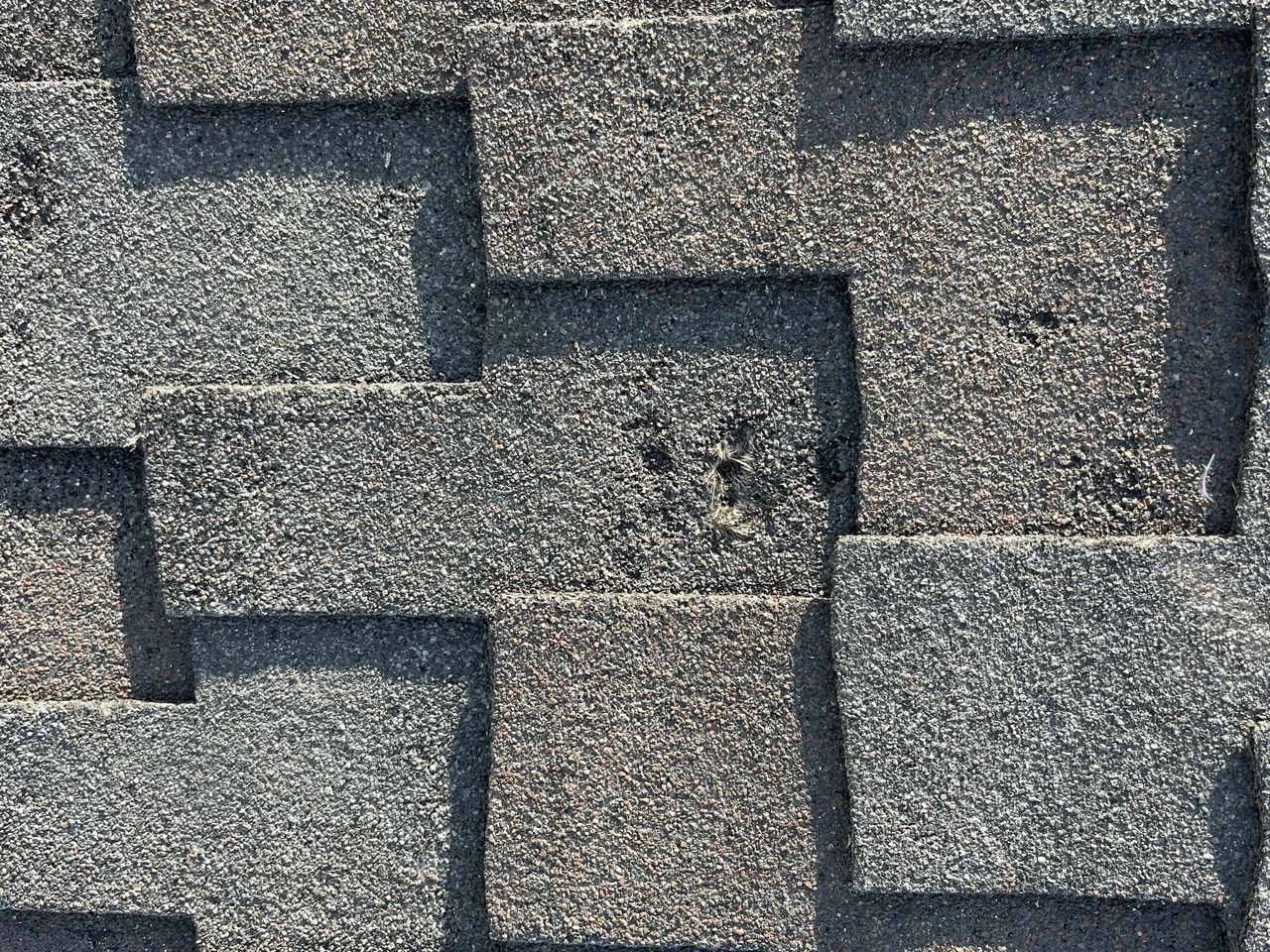
Roof sheathing — also called roof decking — is the structural wood layer fastened to your rafters that everything else on your roof sits on top of. Shingles, underlayment, flashing, and roofing nails all depend on the decking for their holding power. When it's solid, your roof performs as designed. When it's compromised, no amount of quality shingles on top will save you.
What Roof Sheathing Actually Is
Think of sheathing as the subfloor of your roof. It bridges the gaps between rafters or trusses, creating a continuous nailable surface that ties the roof structure together and gives every fastener something to grip.
In virtually all residential construction built in the last three decades, sheathing is one of two panel types:
Oriented strand board (OSB) — wood strands compressed and bonded with resin into a stiff structural panel. OSB is the more economical option and the most common material used in new construction today. It performs adequately in dry conditions but is prone to swelling at the edges when exposed to moisture, which can cause ridging and fastener backout over time.
Plywood — thin wood veneers glued together with alternating grain direction. Plywood costs more but holds fasteners more reliably and handles moisture cycles better than OSB. The National Roofing Contractors Association (NRCA) recommends plywood over OSB for this reason, noting that OSB panels are subject to dimensional changes, ridging, and fastener backout from fluctuating moisture conditions.
Older homes — typically pre-1970s — often have board sheathing: individual planks of 1×6 or 1×8 lumber nailed across the rafters. Board sheathing is still structurally sound if intact, but it leaves gaps that modern solid-panel sheathing does not.
Thickness and Code Requirements
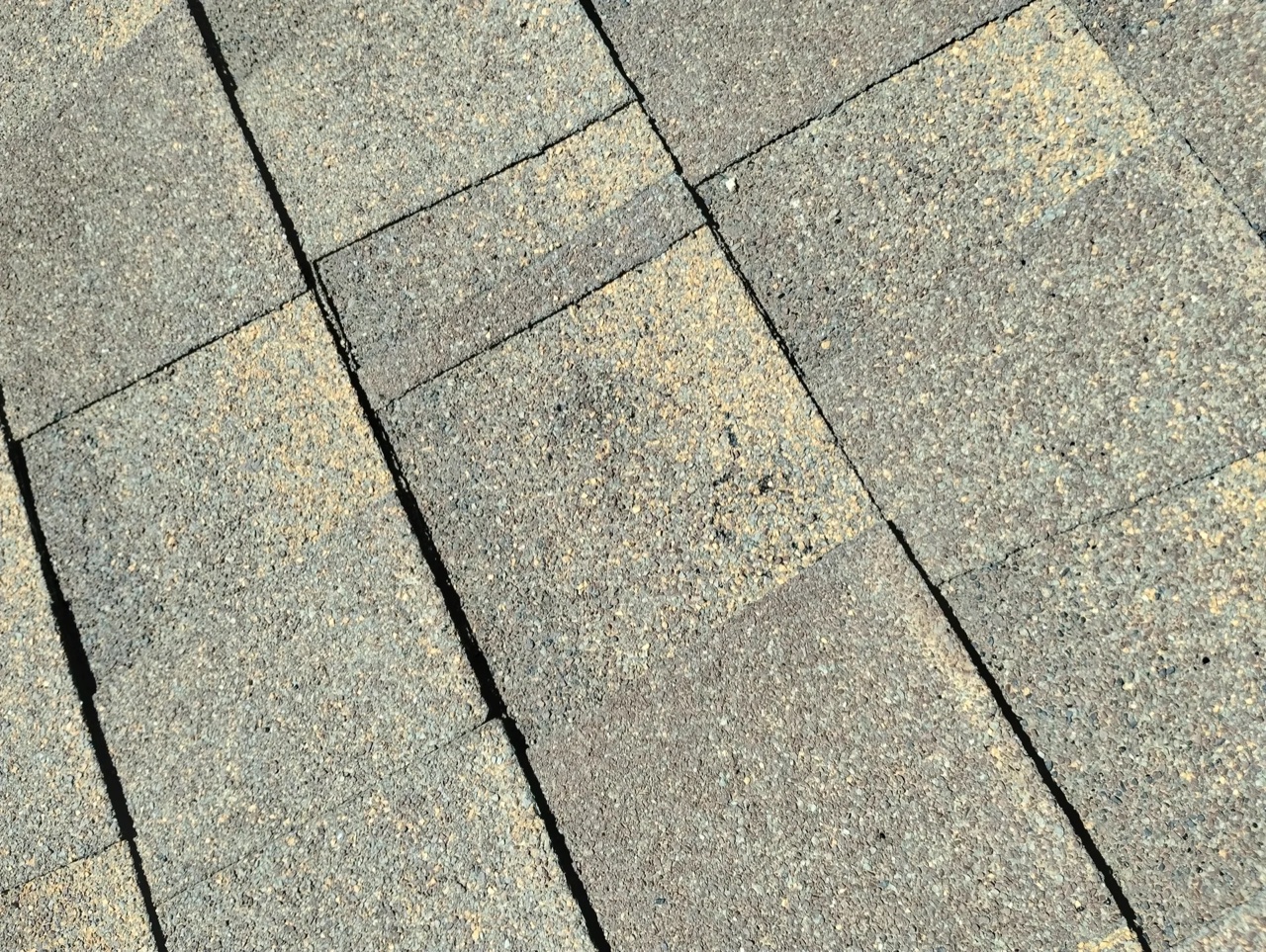
The thickness of your sheathing determines how well it holds nails and resists deflection under load. The International Residential Code (IRC), Section R803 sets the baseline: structural panels must conform to PS 1 (Structural Plywood) or PS 2 (Performance Standard for Wood-based Structural-Use Panels) standards.
In practice, the NRCA's minimum thickness guidance is what most roofing contractors follow:
- 16-inch rafter spacing: minimum 1/2-inch (15/32-inch actual) OSB or plywood
- 24-inch rafter spacing: minimum 5/8-inch (19/32-inch actual) OSB or plywood
Thicker panels — 3/4 inch — are common in higher-load applications or where local code or manufacturer warranties require it. GAF and Owens Corning manufacturer warranties, for instance, specify minimum decking requirements as a condition of coverage.
Why Sheathing Condition Matters in the Texas Panhandle
Amarillo homeowners deal with conditions that stress roof sheathing harder than most of the country. Potter County ranks in the top 10 nationally for hail frequency, and our local records show 131 hail days since 2000 — roughly 8 to 12 hailstorms per year. Every impact event drives water under compromised shingles and into the deck below.
When sheathing absorbs repeated moisture — from a slow leak, ice dam, or storm intrusion — it starts to delaminate or swell at panel edges. At that point, nails begin to back out, shingles lose their holding power, and the next wind event pulls them free. Hail that might otherwise only damage shingles ends up causing a full replacement because the deck underneath couldn't be salvaged.
The practical takeaway: if you're scheduling a roof replacement after storm damage, ask your contractor specifically whether the sheathing is being inspected. A quality crew opens damaged sections and checks for soft spots, staining, and delamination before the first new shingle goes down. Skipping that step is how "new roofs" fail in three years.
Signs Your Sheathing Has a Problem
You don't need to be on the roof to spot warning signs:
- From the attic: Dark staining or water marks on the underside of the deck. Visible daylight through gaps. Soft or crumbling wood to the touch.
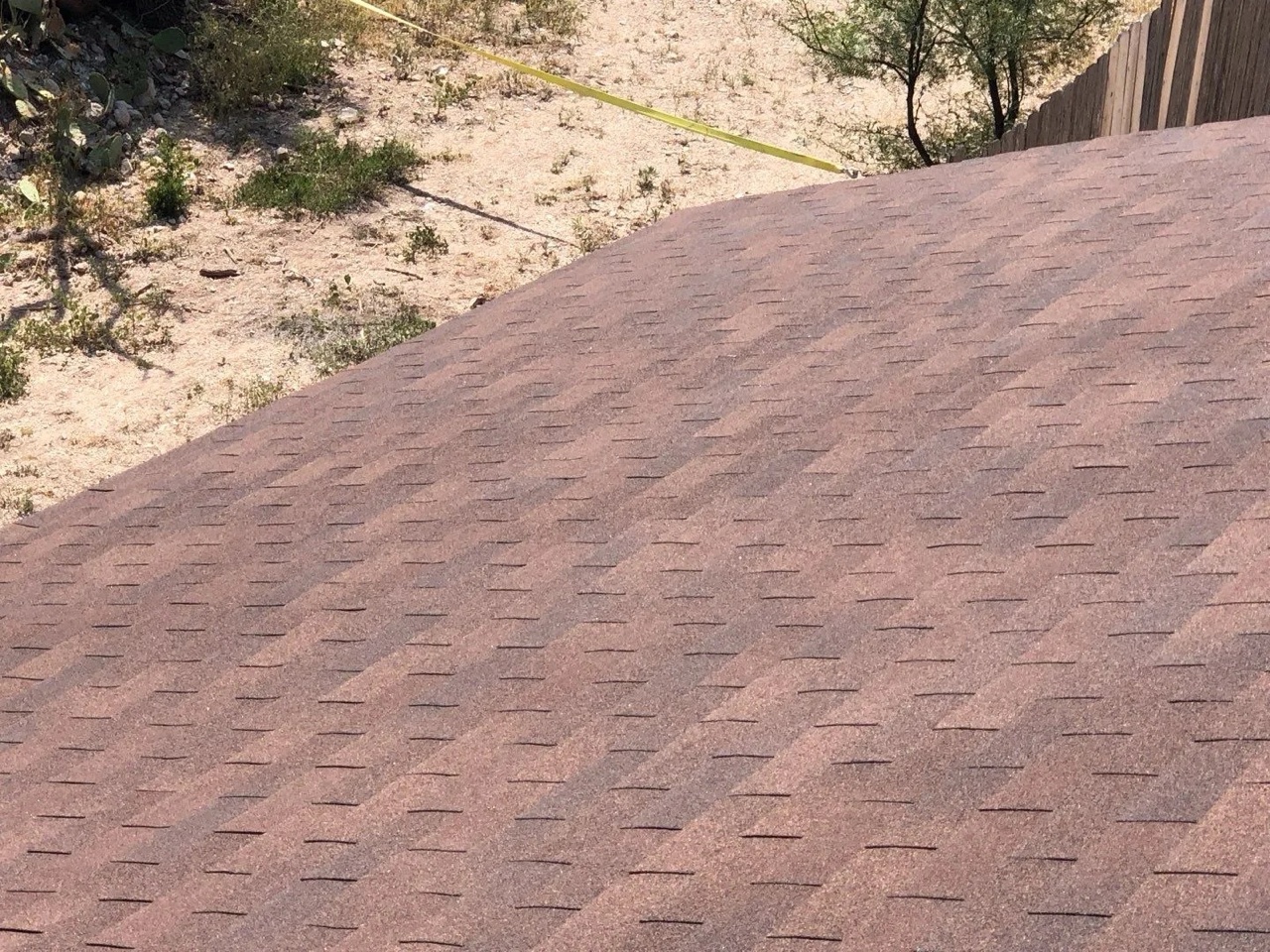
- From the roof surface: Shingles with visible waves or sags between rafters. Shingles that feel spongy when you step on them (do not walk a damaged roof — call a professional).
- After a storm: Granule accumulation in gutters is normal; shingles that have pulled completely free or that lift easily with hand pressure suggest fastener failure, which often traces back to deteriorated decking.
Any of these signals warrant a professional inspection before the next storm season.
Have a roofing question or ready for an inspection? Call 5 Star Commercial Roofing at (806) 622-6041 or schedule a free roof inspection online. We've been serving Amarillo and the Texas Panhandle from our location at 2909 S Western St for 11 years — and we check the deck, not just the shingles.
See also: Amarillo Roof Replacement | Asphalt Shingle Roofing
Frequently Asked Questions
What is roof sheathing made of?
Most residential roof sheathing is oriented strand board (OSB) or plywood — both are wood-based structural panels. Older homes sometimes have board sheathing, which is individual planks laid across the rafters. OSB is cheaper and widely used today; plywood holds fasteners better and handles moisture more reliably.
How thick should roof sheathing be?
The National Roofing Contractors Association (NRCA) recommends a minimum of 1/2-inch panels for 16-inch rafter spacing and 5/8-inch panels for 24-inch rafter spacing. Thicker decking holds nails better and resists hail-impact deformation more effectively.
How do I know if my roof sheathing needs to be replaced?
Signs include soft or spongy spots when walking on the roof, visible sagging between rafters from the attic, dark staining or mold on the underside of the deck, and shingles that pull free with minimal force. A professional roof inspection is the only reliable way to assess sheathing condition across the whole roof.
Can new shingles go over damaged sheathing?
No. Shingles installed over soft, rotted, or delaminated sheathing will not hold fasteners properly and will fail prematurely. Damaged sections must be cut out and replaced with structurally sound panels before any new roofing material goes down.
Does roof sheathing affect hail damage?
Sheathing condition matters for hail resistance because it gives nails the grip they need to keep shingles anchored during impact and high winds. If the deck has deteriorated, shingles can pop loose in a hailstorm even if the shingles themselves are undamaged.
Need a roof inspection?
Free, no-pressure roof inspections from a locally owned Amarillo company. We'll walk you through exactly what we find — with photos.