How to Identify Hail Damage on Your Roof in Amarillo
Know how to identify hail damage on your Amarillo roof — what it looks like on shingles and metal panels, what's invisible from the ground, and when to call.
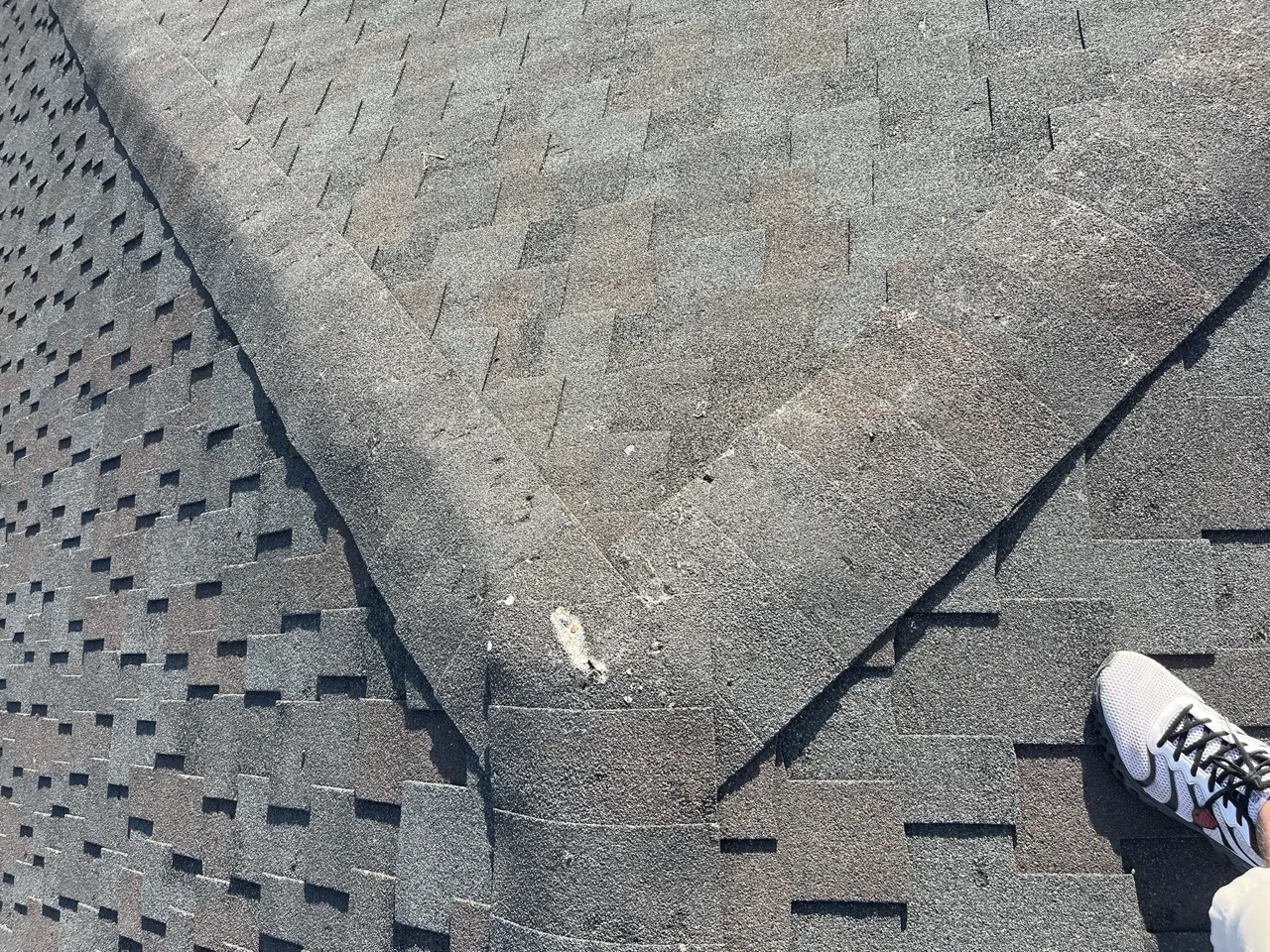
After a storm rolls through the Texas Panhandle, the question isn't whether hail hit your area — it's how hard and whether your roof took the impact. Hail damage ranges from missing shingles to invisible mat fractures that only show up on a professional inspection. Knowing what to look for puts you in control before you call your insurance carrier.
What Hail Damage Actually Looks Like
Hail doesn't damage every roof material the same way.
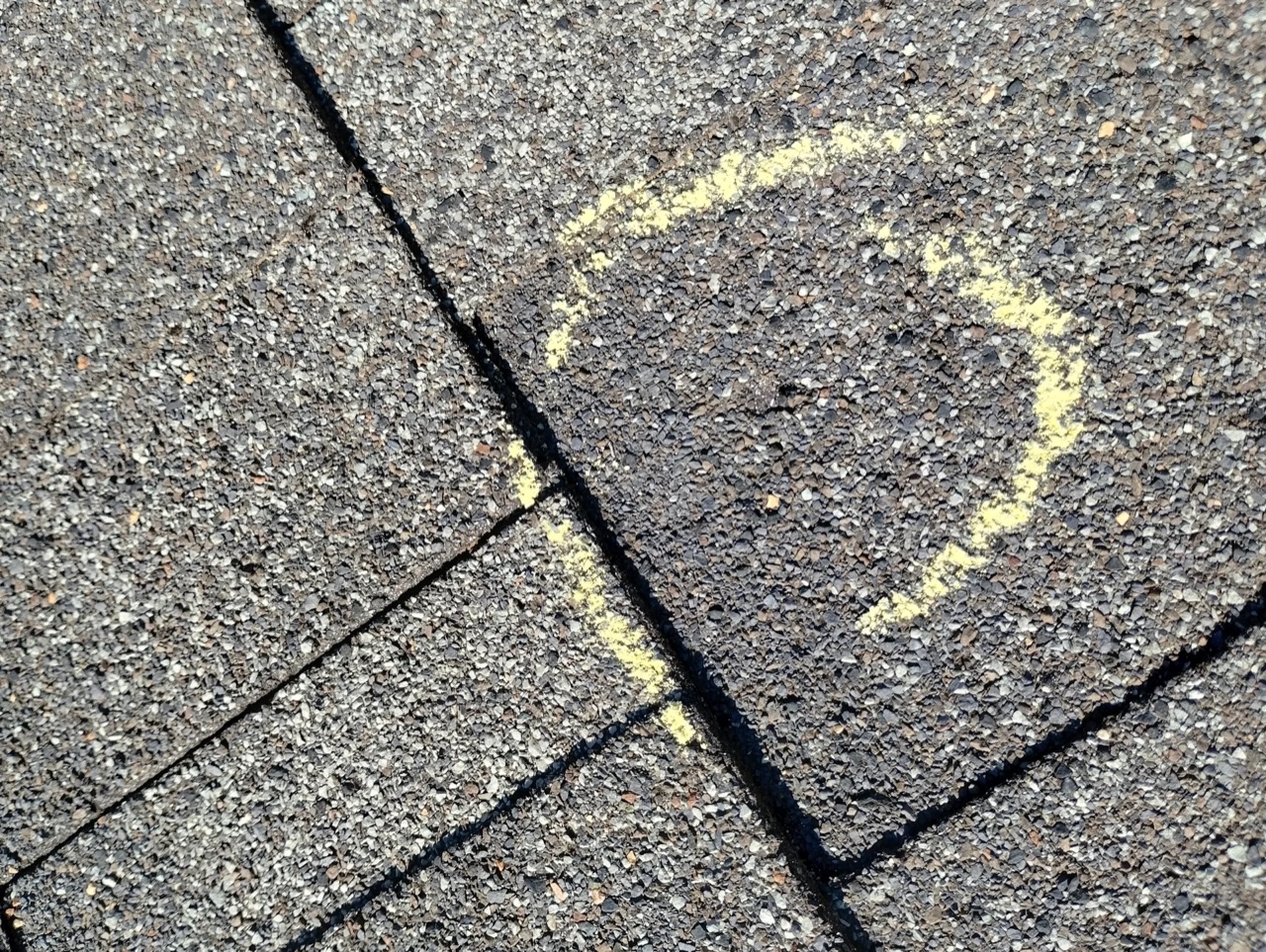
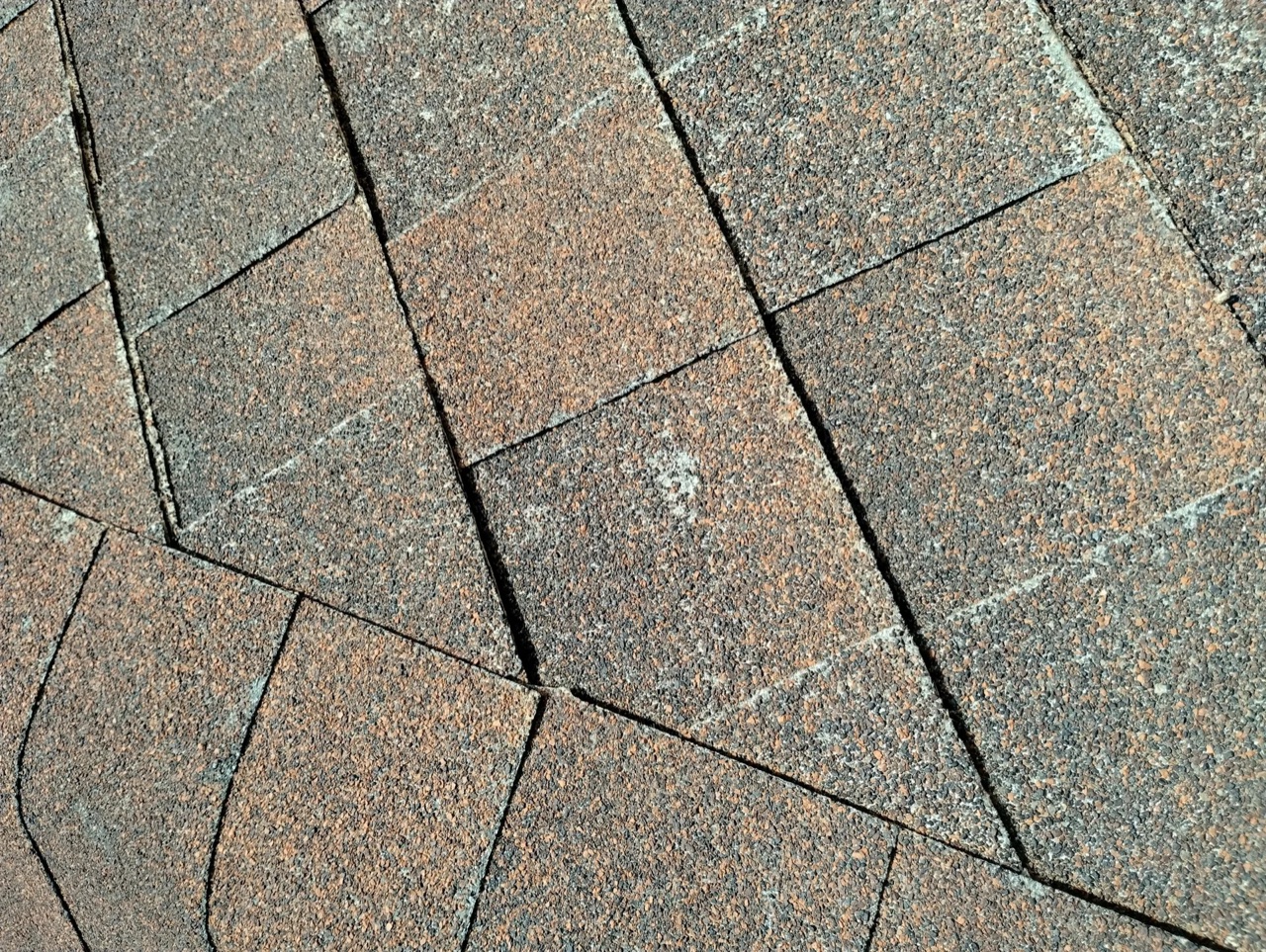
Asphalt shingles are the most common roofing material in Amarillo, and damage on them can be surprisingly subtle. The most reliable sign is granule loss — the protective mineral coating gets knocked free, leaving dark bald patches that expose raw asphalt beneath. According to the Insurance Institute for Business & Home Safety (IBHS), key damage modes include deformation, tears, and granule loss. A hail strike can also fracture the fiberglass mat without breaking through — that "bruise" won't be visible until water finds it.
Metal roofs show damage more clearly: look for circular or oval-shaped dents across the panel surface, cracked or chipped paint coating, and any bare metal that could rust if left untreated. Dents in metal roofing typically affect appearance more than performance — but damaged coatings need attention to prevent long-term corrosion.
Gutters and downspouts are among the most useful ground-level indicators. Dented gutters and granule accumulation inside the channel tell you hail made contact. Gritty dark material near your downspout after a storm is granules shed from your shingles.
Soft metals — HVAC units, exhaust vents, chimney caps — dent easily and act as a damage record. Fresh dings on these surfaces signal that your shingles took hits too.
Why You Can't Assess Hail Damage from the Ground
This is the part most homeowners get wrong. Hail damage on asphalt shingles is exceptionally difficult to spot from the ground. You might walk the perimeter of your house, look up, see nothing obviously wrong, and assume you're fine. Meanwhile, dozens of mat fractures and granule-loss spots are waiting to let water through over the next two to three years.
A few reasons ground-level checks fall short:
- Angle and shadow. Granule loss is only visible at close range. From 20 feet below, damaged areas blend into the rest of the shingle.
- Impact bruising. A hailstone can fracture the shingle mat without punching through, leaving a soft spot that looks intact until pressed or probed.
- Storm direction. Hail driven by Panhandle winds often hits one slope of the roof harder than others — sometimes the slope facing away from the street where you'd normally look.
- Shingle color. Darker shingles hide granule loss more effectively than light-colored ones.
The only reliable method is a hands-on inspection by a licensed roofer who can walk the surface, feel for soft spots, and compare impact patterns across the slope. After any storm producing hail 3/4 inch or larger, schedule an inspection — even if nothing looks broken from the driveway.
What to Check Yourself Before the Roofer Arrives
You don't need to get on the roof to gather useful information. A safe ground-level and interior check gives your contractor valuable context:
- Check your gutters. Look for dents and granule accumulation inside the channel — heavy shedding after a storm is a red flag.
- Inspect window sills and AC units. Fresh circular dents on soft metal confirm hail size and force.
- Look at the mailbox and patio furniture. Fresh dings confirm real impact, not just wind noise.
- Check your attic within 24 hours. Look for water intrusion or daylight through the decking — signs the storm punched through.
- Document the storm date. Texas gives you a 2-year filing window, but date documentation matters for your insurer.
For a professional roof inspection in Amarillo, contact 5 Star Commercial Roofing. We document every impact point with photos so you have a complete record for your insurer.
Amarillo-Specific Considerations
Amarillo is not a typical hail market — and that's not a sales line. It's geography.
The city sits at 3,600 feet elevation at the center of Hail Alley, where dry desert air out of the Rockies collides with Gulf moisture pushing north. That collision zone is directly over the Texas Panhandle. The higher elevation keeps the atmospheric freezing level closer to the ground, which means hailstones have less distance to melt before they reach your roof.
The numbers from Potter County reflect this: 131 severe hail days since 2000, with 8 to 12 hailstorms per year on average. Potter County ranks in the top 10 nationally for hail frequency. The largest stone recorded near Amarillo measured 4.25 inches — softball-sized — in May 2019.
This exposure means Amarillo roofs age faster than roofs in most other Texas cities. Cumulative impact matters when your insurer assesses the claim — and it's one reason a thorough, documented inspection is worth the call.
If you've confirmed damage and you're ready to work with your insurance company, read our guide on how to file a hail damage insurance claim before you contact your carrier.
Ready to get your roof inspected by a local crew that knows Amarillo storms? Call 5 Star Commercial Roofing at (806) 622-6041 or schedule your free hail damage inspection online. We serve Amarillo, Canyon, Borger, Pampa, and across the Texas Panhandle.
Frequently Asked Questions
How can I tell if my roof has hail damage?
Look for granule loss — dark bald patches — on asphalt shingles, circular dents on metal components, cracked or broken shingles, and dented gutters. Many hail strikes are not visible from the ground, so a professional roof inspection is the only reliable way to confirm damage.
Does hail damage always look obvious?
No. Hail damage on asphalt shingles is exceptionally difficult to spot from the ground. Granule loss, mat fractures, and bruised shingle fiber can all be present without any obvious holes or broken pieces. This is why a professional inspection matters after any storm.
How long do I have to file a hail damage claim in Texas?
Texas gives homeowners a 2-year window from the date of loss to file a hail damage claim. Under the Texas Prompt Payment Act, your insurer must acknowledge your claim within 15 days and accept or deny it within 60 days.
What size hail damages a roof?
Hail as small as 3/4 inch — dime-sized — can strip granules from asphalt shingles. Stones 1 inch or larger can crack shingles and dent metal components. The largest hailstone recorded near Amarillo was 4.25 inches — softball-sized — in May 2019.
Should I climb on my roof to check for hail damage myself?
Walking on a damaged roof can worsen existing fractures and is a safety risk. Instead, check the ground for granule accumulation near downspouts, inspect gutters and window sills, and call a licensed roofing contractor for a professional inspection.
Need a roof inspection in Amarillo?
Free, no-pressure roof inspections from a locally owned Amarillo company. We'll walk you through exactly what we find — with photos.