Storm Damage Roof Repair Across Texas
What Types of Storm Damage Do Texas Roofs Suffer?
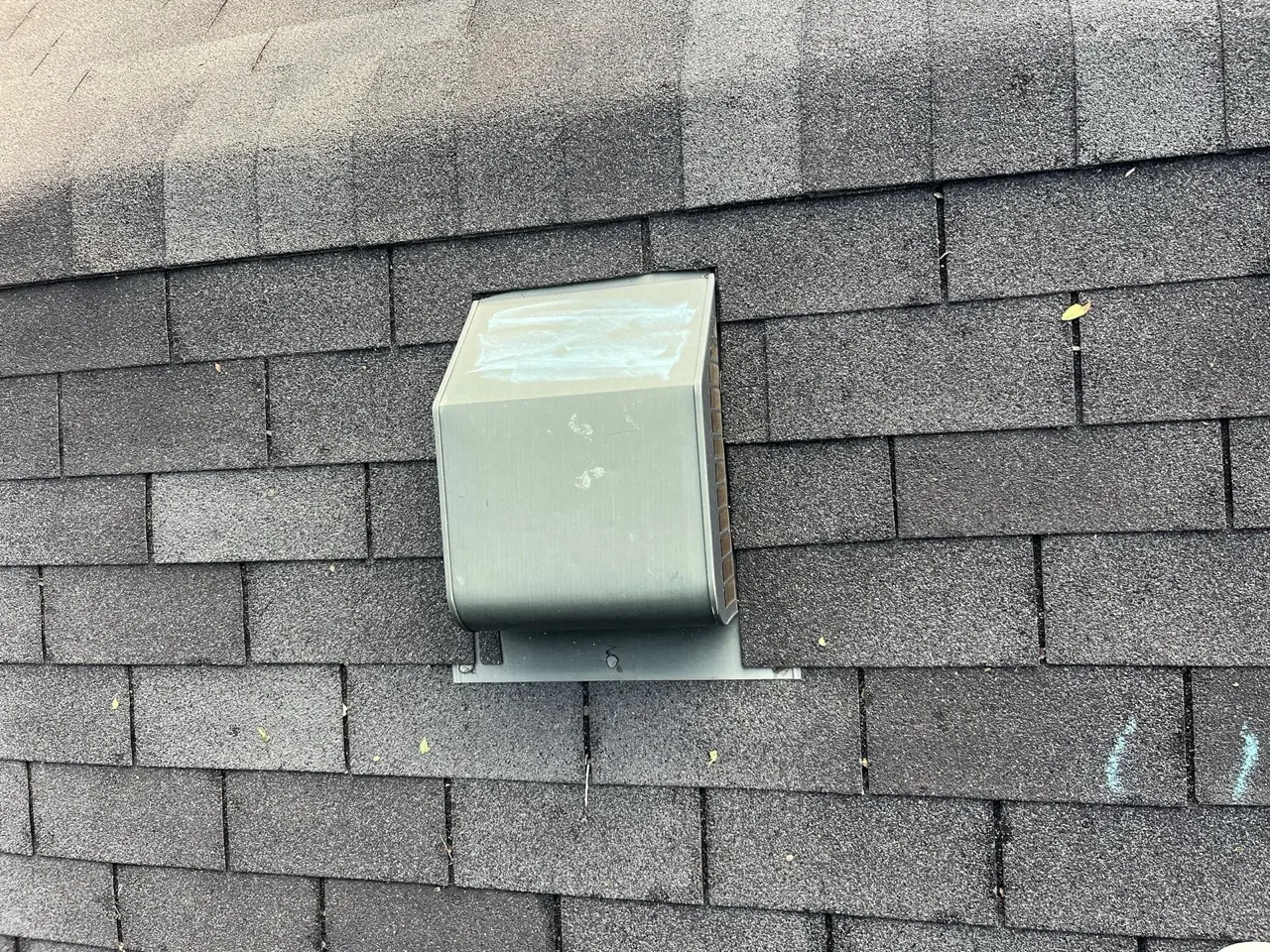
Texas storms do not follow a single playbook. From marble-sized hail in the Panhandle to straight-line winds across the Permian Basin, each type of storm creates different damage patterns that require different repair strategies.
Hail Damage
Dented and bruised shingles, cracked tiles, punctured flat roof membranes, and damaged gutters and flashing. Hail damage often requires full roof replacement when impacts cover more than 30% of the surface.
Wind Damage
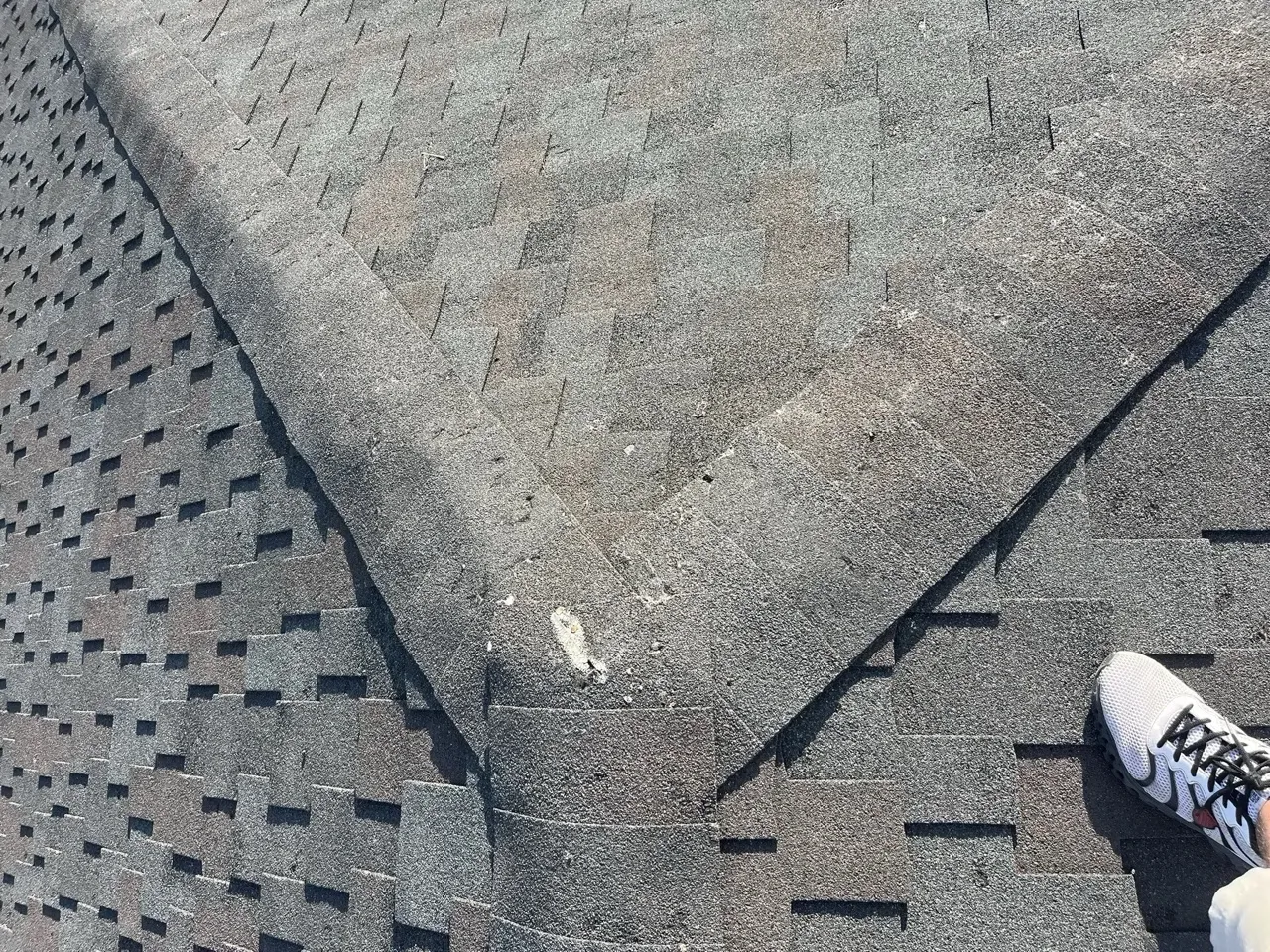
Lifted, creased, or missing shingles and ridge caps. High winds exploit weak points at edges, ridges, and around penetrations. Even shingles that remain attached may be compromised if the seal strip has broken.
Tornado and Severe Wind
Partial or complete roof removal, structural damage to trusses and decking, and widespread debris impact. Tornado repairs often involve structural assessment before roofing work can begin.
Flash Flooding and Ponding
Standing water on flat roofs causes membrane deterioration, seam failure, and deck rot. Clogged drains during heavy rain events compound the problem by trapping water on the roof surface.
Flying Debris
Tree branches, loose building materials, and airborne objects create punctures, dents, and tears in roofing systems. Impact damage may be localized but can compromise waterproofing across a wider area.
How Does Our Emergency Storm Response Work?
When a storm hits, the priority is stopping water from entering your home or building. Our emergency response process is designed to stabilize the situation quickly while setting up a plan for permanent repairs.
Rapid Response
Emergency calls are prioritized by severity. Active leaks and exposed roof deck get addressed first. We dispatch crews for temporary weatherproofing within 24-48 hours of major storm events, installing tarps and emergency patches to stop water intrusion immediately.
Temporary Weatherproofing
Heavy-duty tarps secured to prevent further water intrusion while permanent repairs are planned. For commercial buildings, we install temporary membrane patches over punctures and reinforce vulnerable seams. This buys time without making hasty permanent decisions.
Permanent Repairs
Once the emergency is stabilized and insurance documentation is complete, we schedule permanent repair or replacement. Timelines depend on material availability and the scope of damage, but we keep you informed at every step and coordinate directly with your insurance company.
How Do You File a Storm Damage Insurance Claim?
Filing a storm damage insurance claim can feel overwhelming, especially when you are dealing with water in your home and a damaged roof overhead. We handle the documentation and coordination so you can focus on your family and property.
Documentation
- Detailed photo and video documentation of all damage
- Measurements and damage mapping for the entire roof
- Written damage assessment reports for your insurer
- Before-and-after documentation of emergency repairs
Adjuster Coordination
- We schedule and attend the adjuster inspection with you
- On-roof walkthrough to point out all damage areas
- Technical explanation of damage that may not be obvious
- Real-time advocacy for fair claim assessment
Supplemental Claims
- Re-inspection requests when initial claims miss damage
- Additional documentation for hidden damage found during repairs
- Code upgrade supplements when repairs require current code compliance
- Depreciation recovery assistance for recoverable depreciation claims
How Can You Protect Your Roof Against Future Storms?
Impact-Resistant Materials
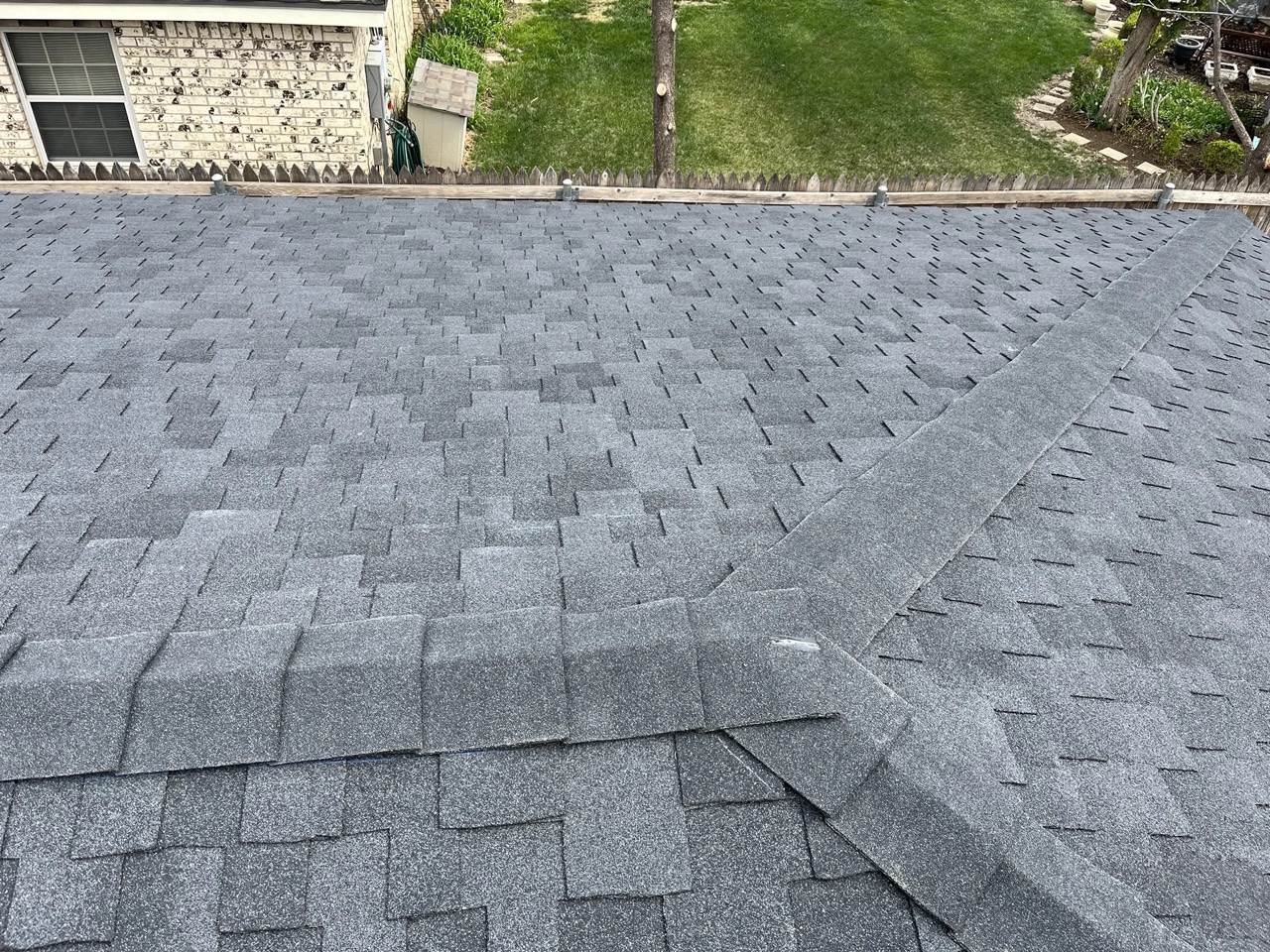
When replacing a storm-damaged roof, upgrading to impact-resistant materials pays for itself over time through reduced damage and lower insurance premiums.
- Class 4 impact-rated shingles withstand 2-inch hailstones
- Standing seam metal roofing resists denting from all but the largest hail
- Impact-resistant materials often qualify for insurance discounts of 10-28%
Proper Installation and Maintenance
The best materials underperform when installed incorrectly or neglected. Proper technique and regular maintenance are the foundation of storm resilience.
- Six-nail pattern instead of four for higher wind uplift resistance
- Ice and water shield on all valleys, eaves, and around penetrations
- Annual inspections to catch loose flashing and worn sealants early
- Gutter cleaning and tree trimming to reduce debris risk
When Is Storm Season in West Texas?
West Texas storm season runs primarily from March through September, with the highest concentration of severe hail and wind events between April and June. Winter months bring their own risks, including snow and ice damage from freezing conditions and ice dams. The Texas Panhandle, including Amarillo, Canyon, and Borger, sits in one of the most active hail corridors in the United States, averaging 3-4 significant hail events per year.
Panhandle (Amarillo Area)
Peak season April-June. Frequent supercell thunderstorms producing large hail, high winds, and occasional tornadoes. Average of 8-10 severe weather days per year.
Permian Basin (Midland-Odessa)
Peak season May-July. Severe thunderstorms with damaging straight-line winds and hail. Dust storms can also abrade roofing surfaces throughout the year.
South Plains (Lubbock Area)
Peak season April-June. High tornado risk combined with frequent hail. The transition zone between Panhandle and Permian Basin weather patterns.
Storm Damage Repair Across Texas
Our storm damage repair crews serve communities across the Texas Panhandle, Permian Basin, and South Plains. Select your city for local availability and response times.
Frequently Asked Questions About Storm Damage Repair
Storm Damage? Call Us Now.
Do not wait for a small leak to become a big problem. Whether you need emergency tarping, a damage inspection, or help navigating your insurance claim, we are here to help. Free storm damage inspections for homeowners and businesses.