Wind Damage Roof Repair Across Texas
What Happens When Wind Hits Your Roof?
Texas wind does not wait, and neither do we. From the Panhandle to the Permian Basin, high winds tear through communities every spring and summer, ripping shingles loose, peeling back flashing, and exposing your home to water damage. 5 Star Roofing provides emergency tarping and permanent wind damage repairs for homeowners across our 14-city service area.
How Does Wind Damage Your Roof?
Wind does not have to reach tornado strength to cause real damage. Even moderate sustained winds of 45 mph can compromise a roof, particularly one with pre-existing wear or installation defects. Here are the most common types of wind damage we repair:
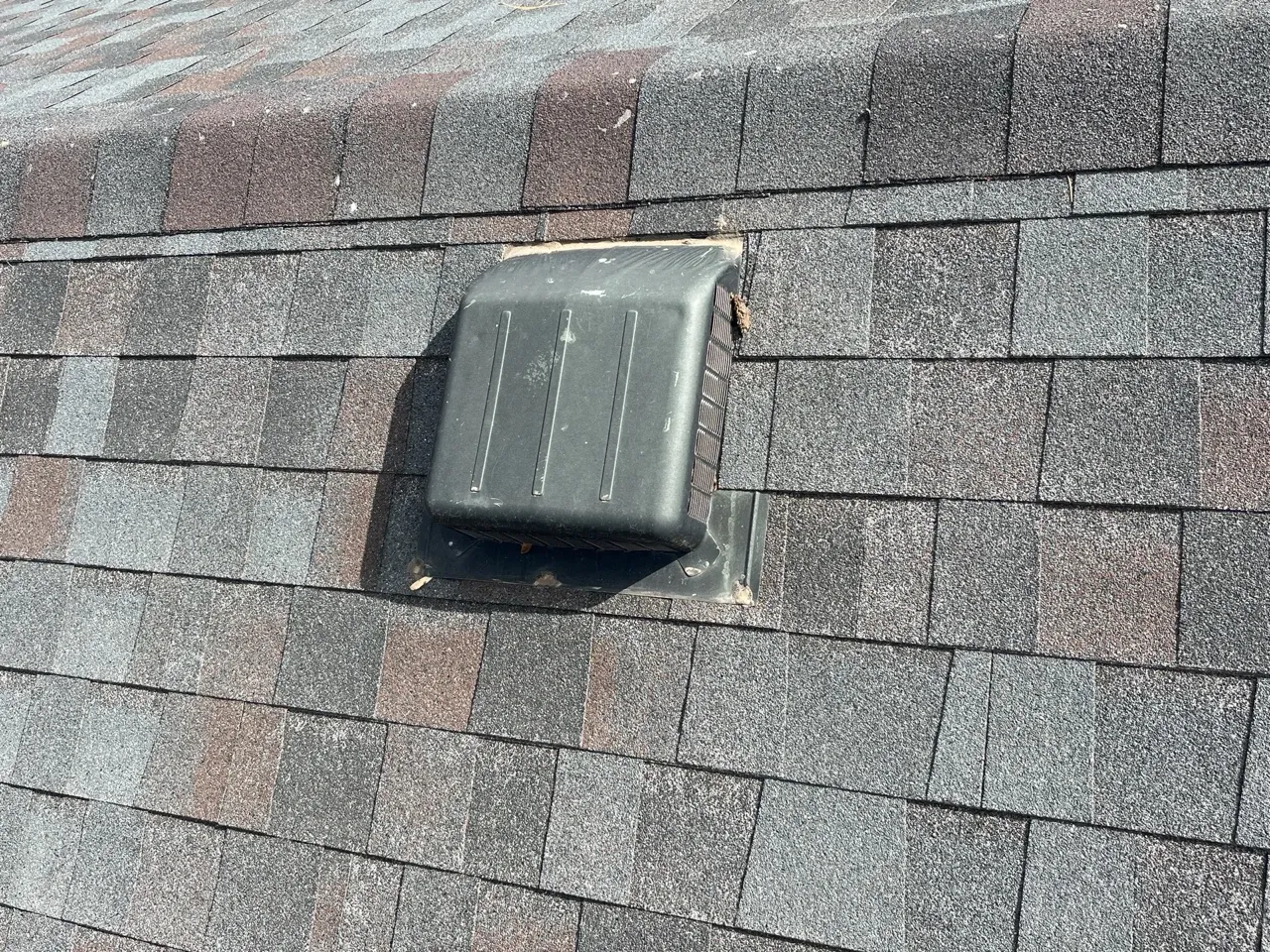
Lifted and Missing Shingles
Wind catches the exposed edge of a shingle and peels it upward, breaking the adhesive seal. Once one shingle lifts, surrounding shingles lose their overlap protection and become vulnerable too. Missing shingles leave the underlayment and deck directly exposed to rain.
Exposed Underlayment
When shingles blow off, the synthetic or felt underlayment beneath them becomes the only barrier between your roof deck and the weather. Underlayment is not designed for prolonged UV exposure and will degrade quickly, making emergency repair critical.
Flashing Separation
Metal flashing around chimneys, vents, and roof edges can bend, lift, or separate completely under high winds. This creates immediate leak points at the most vulnerable junctions of your roof system, where water infiltration is most likely.
Ridge Cap and Soffit Damage
Ridge caps sit at the highest point of your roof and take the full force of wind. Once damaged, they allow wind-driven rain into the attic. Soffits and fascia boards along the eaves can crack, warp, or blow off, compromising your roof's ventilation system.
How Does the Wind Damage Repair Process Work?
When you call after a windstorm, here is how we handle the repair from start to finish:
Emergency Tarping
If your roof has exposed areas, we tarp the damaged sections to prevent further water intrusion. This is especially critical during active storm seasons when follow-up rain is likely within days.
Damage Assessment
We inspect every section of your roof to identify all wind damage, not just the obvious spots. This includes checking flashing, ridge caps, underlayment, and the attic interior for signs of water entry. You receive a written report with photos.
Insurance Documentation
We prepare detailed damage reports with photographs, measurements, and material specifications formatted for insurance adjusters. Our documentation helps streamline your claim and supports full coverage of the repair costs.
Targeted Repair or Full Replacement
Depending on the extent of damage, we either repair the affected areas or recommend full replacement. Localized damage typically requires replacing individual shingles, re-securing flashing, and sealing penetrations. Widespread damage across 30% or more of the roof surface often makes full replacement the more practical choice.
What Makes West Texas Wind Patterns Unique for Roofing?
Understanding local wind conditions explains why roof maintenance matters so much in this region. The Texas Panhandle is one of the windiest areas in the continental United States, and the Permian Basin is not far behind.
Panhandle Wind Facts
- Average annual wind speed: 12-14 mph, among the highest in the U.S.
- Spring gusts regularly exceed 60-70 mph during thunderstorm season (March through June)
- Chinook-style winds can sustain 40-50 mph for 12+ hours at a time
- Amarillo records measurable wind events on over 200 days per year
Why Installation Matters
- Six-nail shingle patterns outperform four-nail patterns by 30-50% in wind uplift resistance
- Starter strips with factory-applied adhesive create a stronger wind seal along eaves
- Synthetic underlayment withstands wind exposure longer than traditional felt if shingles are lost
- Proper roof deck attachment (ring-shank nails, sealed sheathing) prevents deck uplift in extreme events
How Can You Prevent Future Wind Damage?
Proactive maintenance is far less expensive than emergency repairs. These measures significantly reduce your roof's vulnerability to wind:
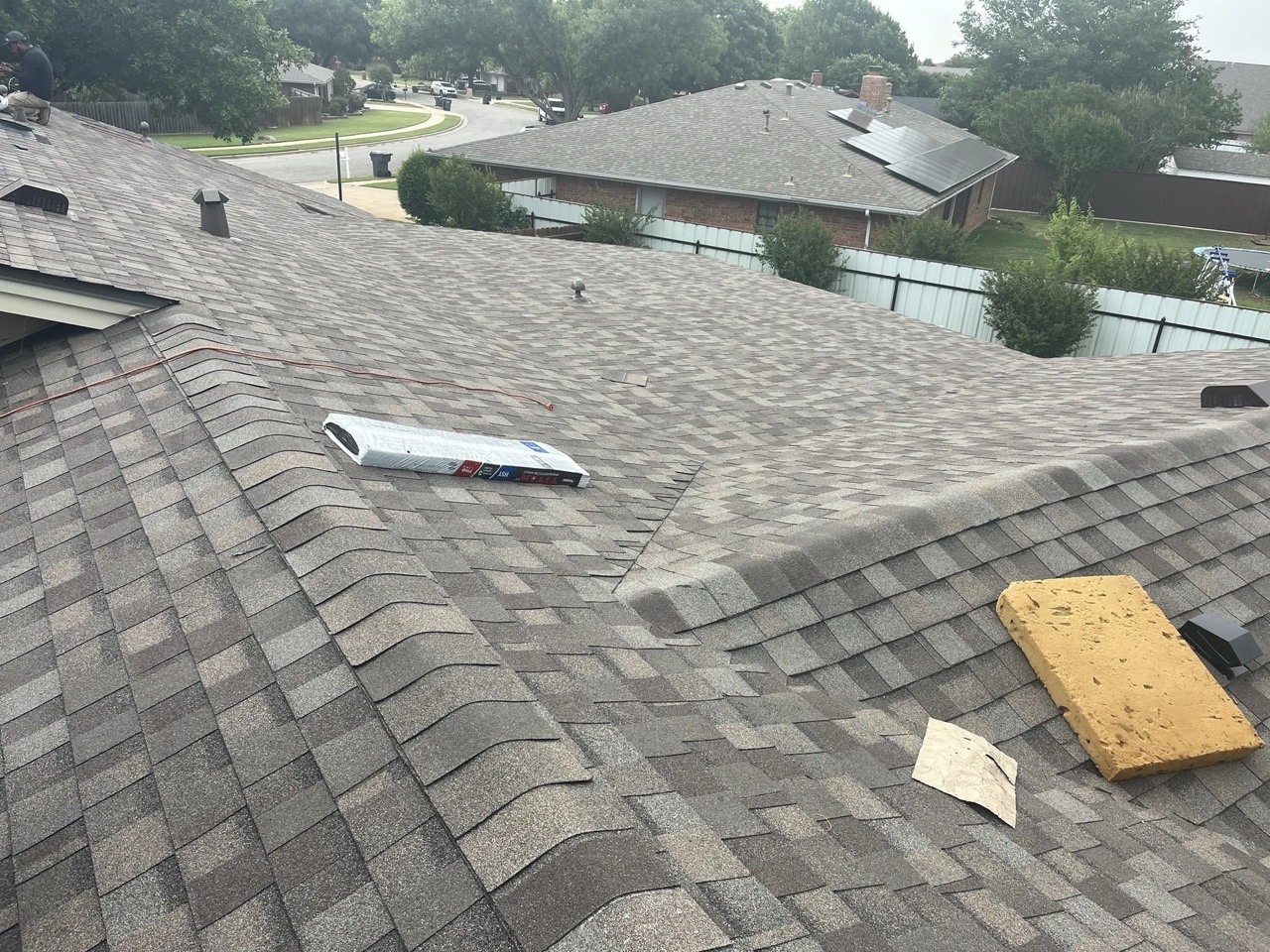
Proper Nailing Patterns
Using six nails per shingle instead of four, placed in the manufacturer's recommended nailing zone, dramatically improves hold strength. This single upgrade can mean the difference between a roof that survives a 70 mph gust and one that does not.
Wind-Rated Materials
Class F shingles are rated for 110 mph winds, and Class G for 120+ mph. For Texas Panhandle homes, these upgraded materials cost only 10-15% more than standard shingles but provide substantially better protection during storm season.
Sealed Roof Decking
Applying a peel-and-stick ice and water shield membrane over the entire roof deck, or at minimum along eaves, rakes, and valleys, creates a secondary waterproof barrier even if shingles are blown off.
Regular Maintenance
Annual roof inspections catch loose shingles, degraded caulking, and worn flashing before they become failure points during the next windstorm. Preventative repairs cost a fraction of emergency work.
Wind Damage Repair by City
We provide wind damage roof repair across 14 Texas cities. Select your location for city-specific information and scheduling:
Frequently Asked Questions
What wind speed causes roof damage?
Roof damage can begin at sustained winds of 45-55 mph, though gusts above 60 mph pose the greatest risk. In the Texas Panhandle, straight-line winds during thunderstorms regularly exceed 70 mph. Even moderate 40 mph winds can lift poorly secured shingles, especially on older roofs or those with existing wear. After any windstorm, a professional inspection can identify damage that may not be visible from the ground.
How can I tell if wind damaged my roof?
Look for shingles that are lifted, curled, cracked, or completely missing. Check your yard and gutters for shingle granules or debris. Inside your home, watch for new water stains on ceilings or walls, especially after rain. Damaged flashing around vents, chimneys, and skylights is another indicator. However, many wind damage signs are only visible from the roof itself, which is why we offer free post-storm inspections.
Does insurance cover wind damage to my roof?
Most homeowner insurance policies in Texas cover wind damage as a named peril. Your policy will typically pay for repairs or replacement minus your deductible. Some policies have a separate wind/hail deductible, often 1-2% of the insured value. We provide detailed damage documentation with photos and measurements that insurance adjusters need for claim approval. Our team has extensive experience working with Texas insurance carriers.
Can wind damage happen without a storm?
Yes. The Texas Panhandle and Permian Basin experience sustained high winds year-round, not just during thunderstorms. Spring chinook winds can blow at 40-60 mph for hours or even days. These persistent winds gradually loosen nails, lift shingle edges, and fatigue roofing materials over time. Cumulative wind wear is one of the most common causes of premature roof failure in this region.
How do you repair wind-lifted shingles?
For shingles that are lifted but not broken, we re-seal them using roofing cement and secure them with proper nailing. Cracked or torn shingles are replaced individually, matching the existing shingle brand and color as closely as possible. If wind damage is widespread across large sections, a partial or full replacement may be more cost-effective than individual repairs. We assess every roof to recommend the most practical solution.
Should I replace my entire roof after wind damage?
Not always. If wind damage is limited to a section of your roof, targeted repairs are usually sufficient and more affordable. However, if damage covers more than 30% of the roof surface, or if your roof is already near the end of its lifespan (15-20+ years for asphalt shingles), full replacement is often the better investment. We provide honest assessments and never recommend unnecessary work.
How do I protect my roof from West Texas winds?
Start with proper installation using six-nail patterns instead of the standard four, which significantly improves wind resistance. Choose wind-rated shingles (Class F or G, rated for 110-130 mph). Ensure your roof deck is properly sealed with synthetic underlayment. Keep trees trimmed away from your roofline. Schedule annual inspections to catch and repair minor issues before they become wind vulnerabilities.
Wind Damage? Call Now for a Free Inspection
Do not wait for a small wind problem to become a major leak. 5 Star Roofing provides free wind damage inspections with detailed reports you can use for insurance claims.