What Is a Pitched Roof?
A pitched roof has a sloped design measured in rise-over-run. Learn how pitch is measured, common ranges, and why it matters for Texas homes.
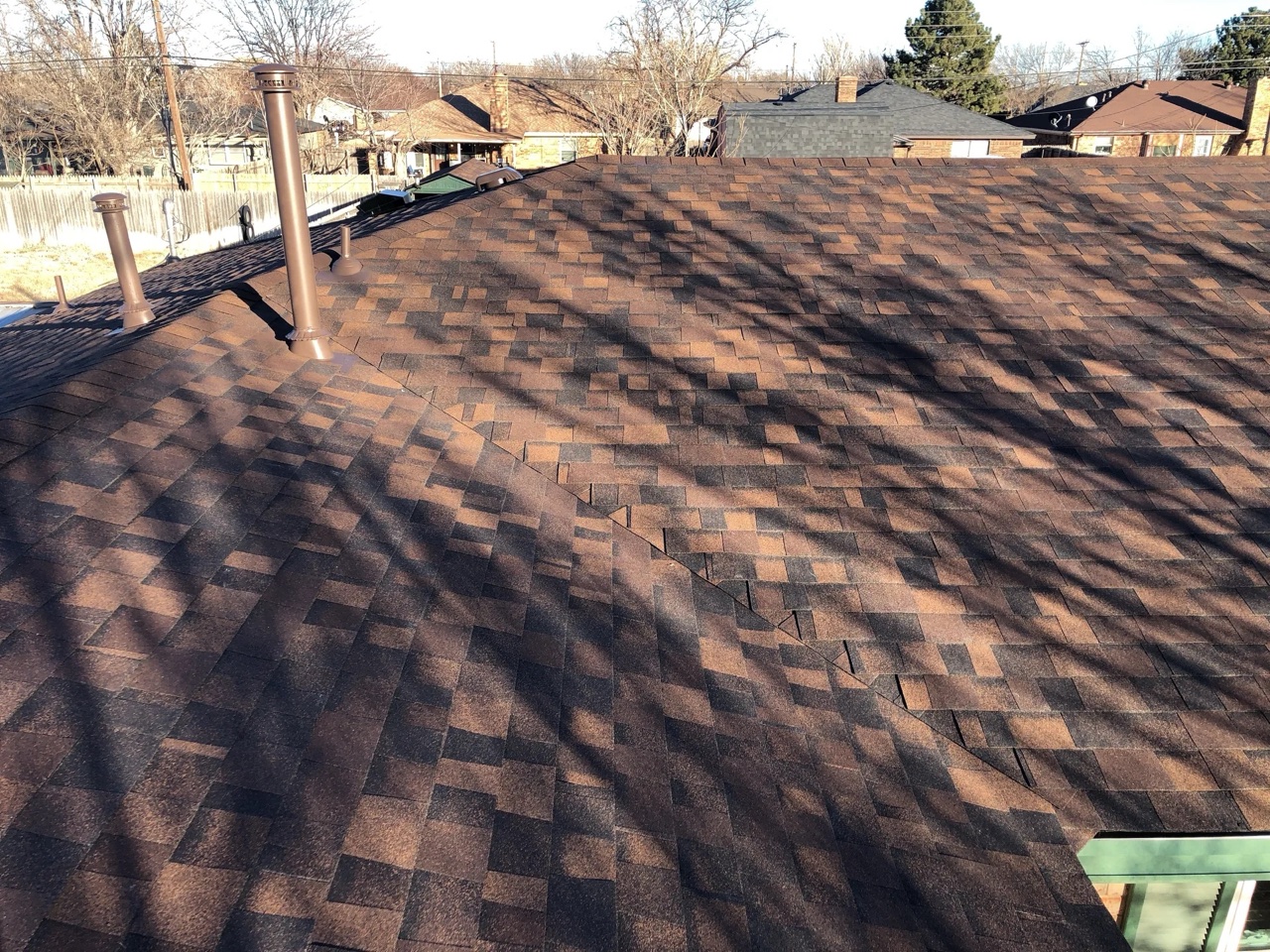
A pitched roof is any roof built with a slope rather than a flat surface — measured as rise over run, so a 6:12 pitch means the roof rises 6 inches vertically for every 12 inches of horizontal run. Almost every house you drive past has a pitched roof of some kind, from a gentle 3:12 ranch-style slope to a steep 12:12 A-frame, and the pitch isn't just an aesthetic choice — it directly affects how well the roof sheds water, what materials can go on it, and how much a replacement costs.
How Roof Pitch Is Measured and Classified
The National Roofing Contractors Association defines a low-slope roof as roughly ¼:12 up to 4:12, and a steep-slope roof as anything greater than 4:12, typically ranging up to about 18:12 on unusually steep designs. That distinction matters practically: low-slope roofs need membrane systems like TPO or modified bitumen that can handle standing water, while steep-slope roofs can use traditional asphalt shingles, metal panels, or tile because gravity does most of the work moving water off.
Why Pitch Matters for Your Roof
Pitch affects more than looks. A steeper roof:
- Sheds water and debris faster, reducing the chance of ponding or granule wear in any one spot
- Provides more attic space and ventilation options, which helps with energy efficiency
- Costs more to reroof, since crews need more safety equipment and time to work safely at a steeper angle
A lower (but still pitched) roof tends to be more economical to build and maintain, but it needs more attention to flashing and drainage details since water has less slope to work with when it's shedding.
Pitch Considerations for Texas Panhandle Homes
Most homes in the Amarillo area sit in the 4:12 to 8:12 range — steep enough for good drainage and hail runoff, moderate enough to keep replacement costs reasonable. Given that this region sees 8-12 hailstorms a year, pitch also plays a role in how hail impacts a roof: steeper pitches see hail strike at more of an angle, which can reduce the severity of direct impacts compared to a low-slope surface where hail hits closer to straight-on.
Not sure what pitch your roof is or whether it's right for your home? Call (806) 622-6041 or schedule a free roof inspection and we'll walk the roof with you.
Frequently Asked Questions
What's the most common roof pitch on houses?
Most residential homes fall between 4:12 and 9:12. A 6:12 pitch is a common middle ground — steep enough to shed water and snow well, gentle enough that walking and working on it is manageable.
Is a steeper roof pitch always better?
Not necessarily. Steeper pitches shed water and debris faster and often look more architecturally striking, but they cost more to build and reroof due to added material and labor for safe access. The right pitch depends on climate, style, and budget.
Can any roofing material go on any pitch?
No. Standard asphalt shingles need at least a 2:12 to 4:12 slope to shed water properly. Anything flatter typically needs a low-slope system like TPO or modified bitumen instead of traditional shingles.
Does roof pitch affect replacement cost?
Yes. Steeper pitches require more safety equipment, slower and more careful work, and sometimes more material to cover the same footprint, all of which add to labor cost compared to a low or moderate pitch.
Related Guides
Need a roof inspection?
Free, no-pressure roof inspections from a locally owned Amarillo company. We'll walk you through exactly what we find — with photos.