What Is a Roof Vent? Types, How They Work, and Why They Matter
A roof vent lets hot, moist air escape your attic. Learn the main types of roof vents, how balanced ventilation works, and why it protects your roof.
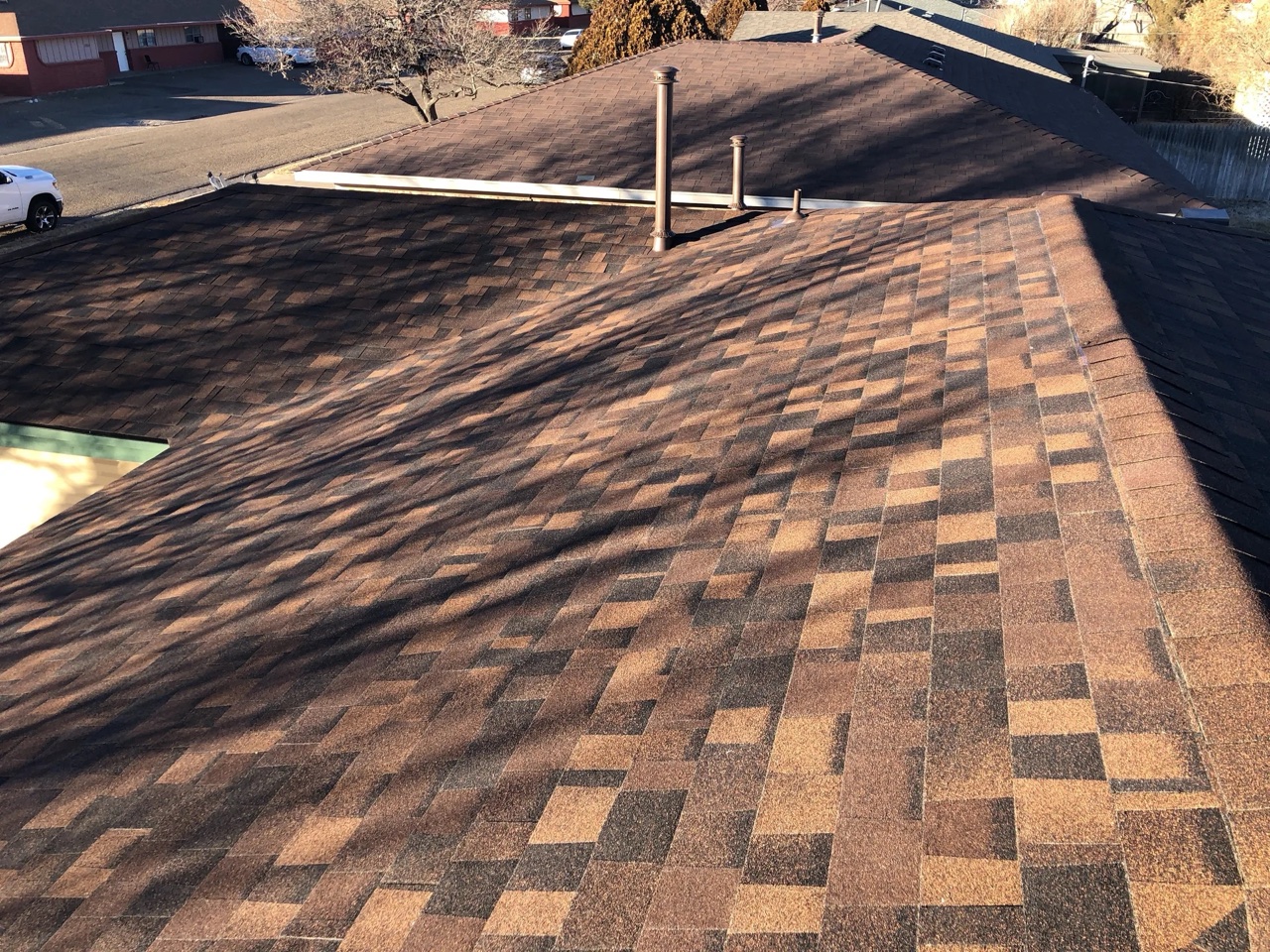
A roof vent is an opening — usually protected by a cover or baffle — that lets hot, moist air escape from your attic. It works as one half of a system: intake vents low on the roof pull in cooler outside air, and exhaust vents high on the roof let the hot air out. That continuous flow keeps your attic from turning into a heat-and-moisture trap, which is what protects the roof deck, the shingles, and the insulation underneath.
Why Attic Ventilation Matters
Without airflow, an attic does two damaging things. In summer it superheats, baking the underside of the roof deck and shortening shingle life. Year-round, everyday moisture from cooking, showers, and laundry rises into the attic and, with nowhere to go, condenses on the framing and decking — feeding rot and mold. Good ventilation carries that heat and moisture out before either can do harm.
Ventilation is also a code requirement, not just a good idea. Most jurisdictions follow the International Residential Code, which calls for a minimum ratio of net free ventilating area to attic floor area — commonly one square foot of vent for every 300 square feet of attic when intake and exhaust are balanced, or one per 150 without that balance. The U.S. Department of Energy also treats attic ventilation as part of a well-sealed, energy-efficient home.
The Main Types of Roof Vents
Roof vents split into two jobs — exhaust (letting air out, high on the roof) and intake (letting air in, low on the roof).
Exhaust vents:
- Ridge vents run continuously along the peak, hidden under the ridge cap. They provide even exhaust across the whole roof with minimal separate penetrations, which is why they've become the default on modern replacements.
- Box vents (also called turtle vents or louvers) are the small square covers you see dotted near the top of a slope. They are simple and inexpensive but vent a smaller area each, so a roof needs several.
- Powered attic fans actively pull air out with a motor. They move a lot of air but can backfire if intake is inadequate, drawing conditioned air up out of the living space.
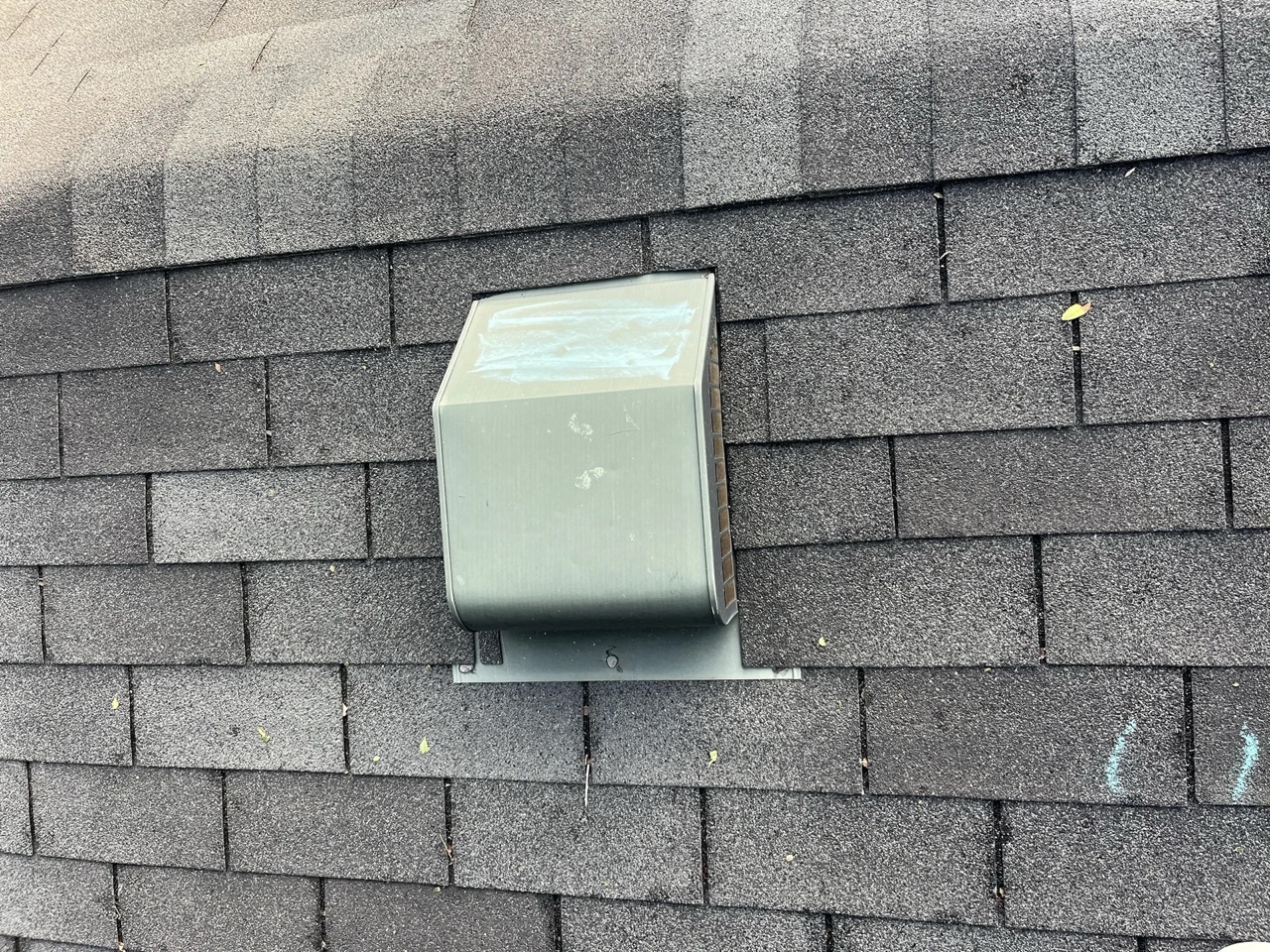
Intake vents:
- Soffit vents sit in the underside of the eaves and are the workhorse of intake. They feed cool air in at the bottom so exhaust vents have something to draw.
- Gable vents in the end walls can serve as intake or exhaust depending on the design.
Getting the Balance Right
The most common ventilation mistake isn't too few vents — it's an unbalanced system. Exhaust without enough intake starves the airflow, and mixing exhaust types can short-circuit it: a powered fan or box vents near a ridge vent will pull air from the nearest opening instead of drawing it all the way up from the soffits. The right setup pairs one exhaust strategy with enough soffit intake to feed it. A roofer sizes this to your attic's square footage rather than guessing by vent count.
Signs Your Attic Ventilation Is Failing
You usually don't see a ventilation problem directly — you see its symptoms. Watch for these:
- An attic that's brutally hot in summer, well above the outdoor temperature.
- Frost or condensation on the underside of the roof deck in winter, or a musty, damp smell in the attic.
- Curling, cupping, or prematurely worn shingles, especially in the middle of a roof's expected lifespan.
- Rusty nail tips poking through the decking, a classic sign of trapped moisture condensing and re-freezing.
- Higher-than-expected cooling bills, since a superheated attic radiates heat down into the living space.
Any one of these on its own can have another cause, but together they point to an attic that isn't breathing. Because the fixes — adding soffit intake, swapping box vents for a continuous ridge vent — are inexpensive relative to a roof, it's worth diagnosing before the trapped heat and moisture shorten the life of everything above it.
The Bottom Line
A roof vent is a small component doing a big job: it moves the heat and moisture that would otherwise cook your shingles and rot your deck. If your attic runs hot, smells musty, or you're seeing premature shingle wear, the ventilation is worth a professional look — it is one of the cheapest ways to extend the life of a roof.
Wondering whether your roof is properly ventilated? Call 5 Star Commercial Roofing at (806) 622-6041 or schedule a free roof inspection online. We evaluate ventilation as part of every residential roofing project across Amarillo and the Texas Panhandle.
Frequently Asked Questions
What is a roof vent?
A roof vent is an opening, usually fitted with a cover, that lets hot and moist air escape from the attic. It works together with intake vents lower on the roof to create continuous airflow, which controls attic temperature and moisture and helps the roof last longer.
What are the main types of roof vents?
The most common exhaust vents are ridge vents that run along the peak, box or 'turtle' vents set near the top of the slope, and powered attic fans. Intake usually comes from soffit vents under the eaves. A healthy attic pairs one exhaust type with adequate intake rather than mixing several exhaust types.
How many roof vents do I need?
A common building-code guideline is one square foot of net free ventilation area for every 300 square feet of attic floor when intake and exhaust are balanced, or one per 150 square feet without that balance. Exact requirements depend on your local code and attic design, so a roofer should size it to your home.
Can you have too many roof vents?
Yes. Mixing several exhaust types — say, a ridge vent plus powered fans — can short-circuit airflow, pulling air from the nearest vent instead of drawing it up from the soffits. The goal is balanced intake and exhaust, not the highest possible vent count.
Do roof vents cause leaks?
Any roof penetration is a potential leak point if it is flashed poorly, which is one reason ridge vents are popular — they sit at the peak with fewer separate penetrations. A correctly installed and flashed vent should not leak for the life of the roof.
Related Guides
Need a roof inspection?
Free, no-pressure roof inspections from a locally owned Amarillo company. We'll walk you through exactly what we find — with photos.