What Are 3-Tab Shingles? How They Compare to Architectural Shingles
3-tab shingles are the flat, single-layer asphalt shingle. Learn how they look, how long they last, and when architectural shingles are the better choice.
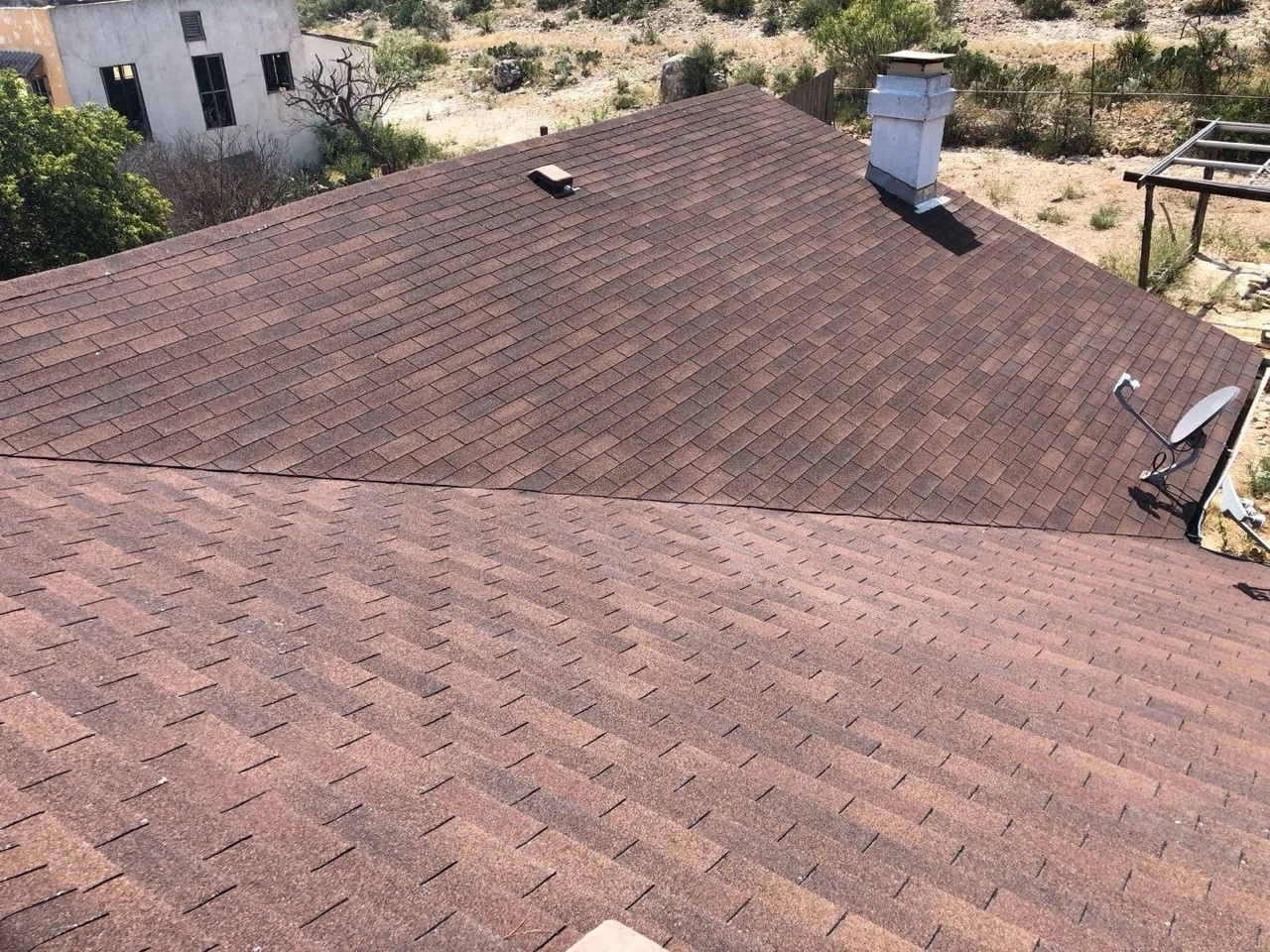
3-tab shingles are the flat, single-layer asphalt shingle — the classic, uniform roof you see on a lot of older homes. Each shingle strip has two cutouts that make it read as three separate "tabs," which is where the name comes from. They are the most basic and least expensive asphalt shingle on the market, and for decades they were the default. Today they've largely been replaced on new installs by architectural shingles, for reasons worth understanding before you choose.
What Sets 3-Tab Shingles Apart
The defining trait is that a 3-tab shingle is a single, flat layer of asphalt over a fiberglass mat, topped with mineral granules. That makes it:
- Thin and light. One layer means less material and less weight than a laminated shingle.
- Uniform in appearance. Every tab is the same size and lies flat, giving the roof a smooth, repeating pattern with no depth or shadow lines.
- Inexpensive. Lower material cost is the main reason it still exists as an option.
That thinness is also its main limitation. A single layer has less impact and wind resistance, and it weathers faster than a thicker product.
3-Tab vs. Architectural Shingles
Most homeowners today are choosing between 3-tab and architectural (also called laminated or dimensional) shingles. The difference comes down to construction:
Lifespan. 3-tab shingles typically last 15 to 20 years. Architectural shingles usually run 25 to 30 years because they bond two asphalt layers together.
Wind resistance. 3-tab shingles are commonly rated around 60 mph, while architectural shingles are frequently rated for 110 to 130 mph. In a windy region that gap matters.
Appearance. 3-tab lies flat and uniform. Architectural shingles vary tab size and thickness to mimic the depth of wood shake or slate, which most buyers prefer and which tends to help resale.
Cost. 3-tab wins on upfront material cost. Architectural shingles cost more but spread that cost over a longer service life, so the annual cost of ownership is often similar or better.
When 3-Tab Shingles Still Make Sense
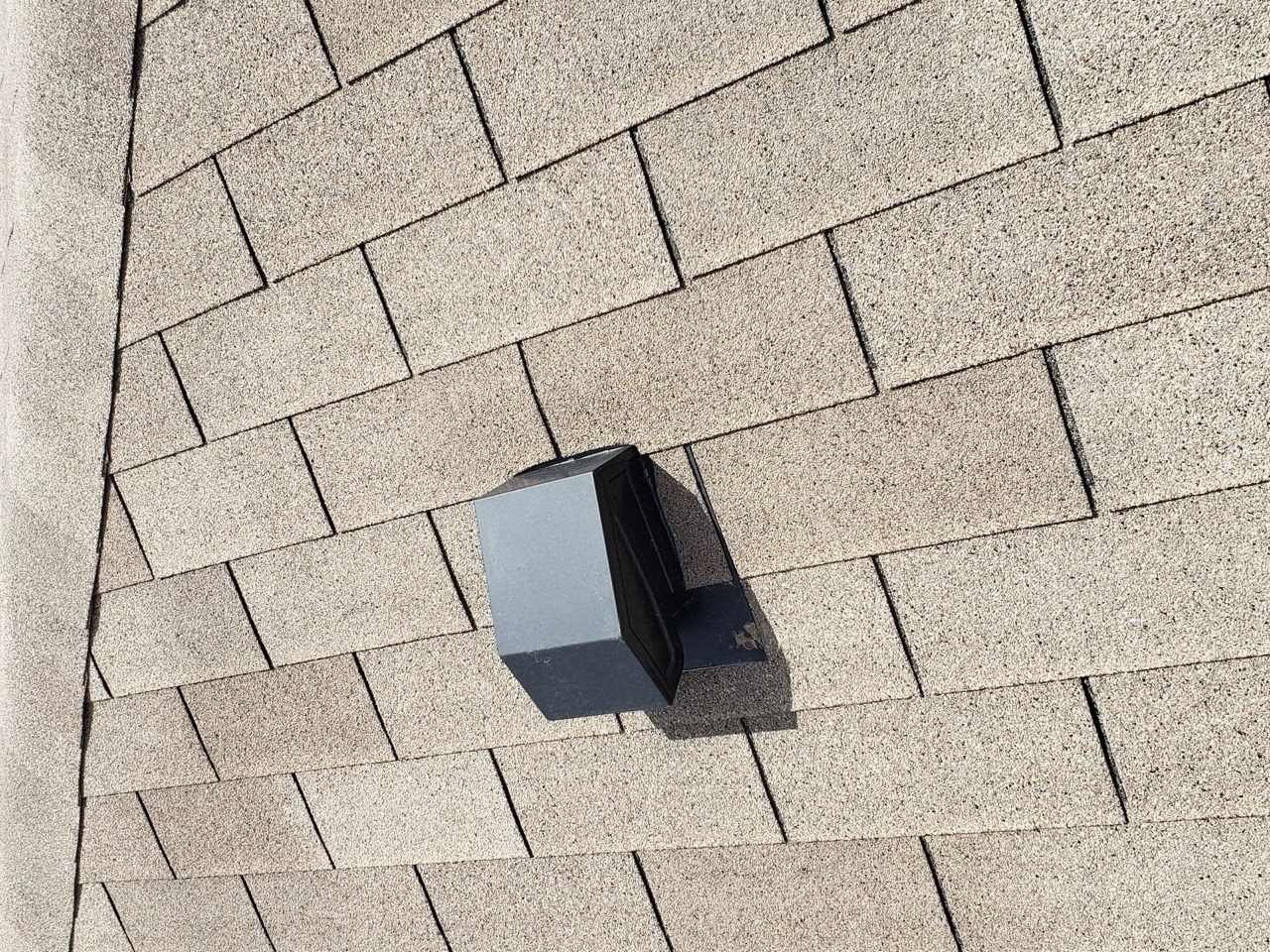
3-tab isn't obsolete — it just fills a narrower role now. It's a reasonable choice for rental properties, investor flips, and budget-driven repairs, or when you need to match an existing 3-tab roof so a partial replacement blends in. For a home you plan to keep, though, the modest upfront savings usually don't hold up against the shorter lifespan and weaker wind rating.
How to Tell What's Already on Your Roof
You can usually identify your current shingle from the ground. Look at the roof's texture and shadow lines: a 3-tab roof reads as flat and uniform, with straight, evenly spaced vertical lines where the tab cutouts sit and no real depth. An architectural roof looks varied and dimensional, with staggered tab sizes and visible shadowing that mimics wood shake. If the pattern is perfectly repetitive and the surface looks smooth from the curb, it's almost certainly 3-tab. This matters for repairs — matching a partial replacement to an existing 3-tab roof is one of the few times you'd deliberately choose 3-tab today, and it helps to know what you're matching before you call for a quote.
What This Means in Hail and Wind Country
In a market that sees regular hail and high wind — like the Texas Panhandle — the case for stepping up from basic 3-tab is stronger. A thin, single-layer shingle bruises and tears more easily under hail, and its lower wind rating leaves less margin in a severe storm. Many homeowners here go a step further to Class 4 impact-resistant shingles. The Texas Department of Insurance notes that carriers are required to offer premium credits for UL 2218 Class 4 materials, which can offset part of the upgrade cost over time.
The short version: 3-tab shingles are the economy option, and they still have a place. But for most primary homes — especially in tough weather — architectural or impact-resistant shingles deliver more roof for the money over the years you actually own it.
Deciding which shingle is right for your home? Call 5 Star Commercial Roofing at (806) 622-6041 or request a free estimate online. We install and replace asphalt shingle roofs across Amarillo and the Texas Panhandle.
Frequently Asked Questions
What are 3-tab shingles?
3-tab shingles are a flat, single-layer asphalt shingle. Each strip has two cutouts that make it look like three separate tabs, which creates the uniform, repeating pattern you see on older roofs. They are the most basic and least expensive asphalt shingle.
How long do 3-tab shingles last?
Typically 15 to 20 years, and sometimes up to 25 in a mild climate with good ventilation. That is shorter than architectural shingles, which usually last 25 to 30 years, because 3-tab shingles are thinner and lighter with a single asphalt layer.
What is the difference between 3-tab and architectural shingles?
3-tab shingles are a single flat layer with a uniform look. Architectural (or laminated) shingles bond two layers together for a thicker, dimensional appearance and a higher wind rating. Architectural shingles cost more but last longer and hold up better in severe weather.
Are 3-tab shingles good for high-wind areas?
Generally no. 3-tab shingles are commonly rated for lower wind speeds — often around 60 mph — while architectural shingles are frequently rated for 110 to 130 mph. In hail- and wind-prone regions, most homeowners and insurers favor architectural or impact-resistant shingles.
When do 3-tab shingles still make sense?
Mainly on rental properties, investor flips, and tight-budget repairs where matching an existing 3-tab roof matters. For a long-term primary residence, the small upfront savings usually don't outweigh the shorter lifespan and lower wind performance.
Related Guides
Need a roof inspection?
Free, no-pressure roof inspections from a locally owned Amarillo company. We'll walk you through exactly what we find — with photos.