Shopping Center Roofing Near Sunset Center, Amarillo
Aging low-slope roofs on Amarillo shopping centers like the Sunset Center area need drainage-first repairs. Here's what property managers should know about TPO and BUR.
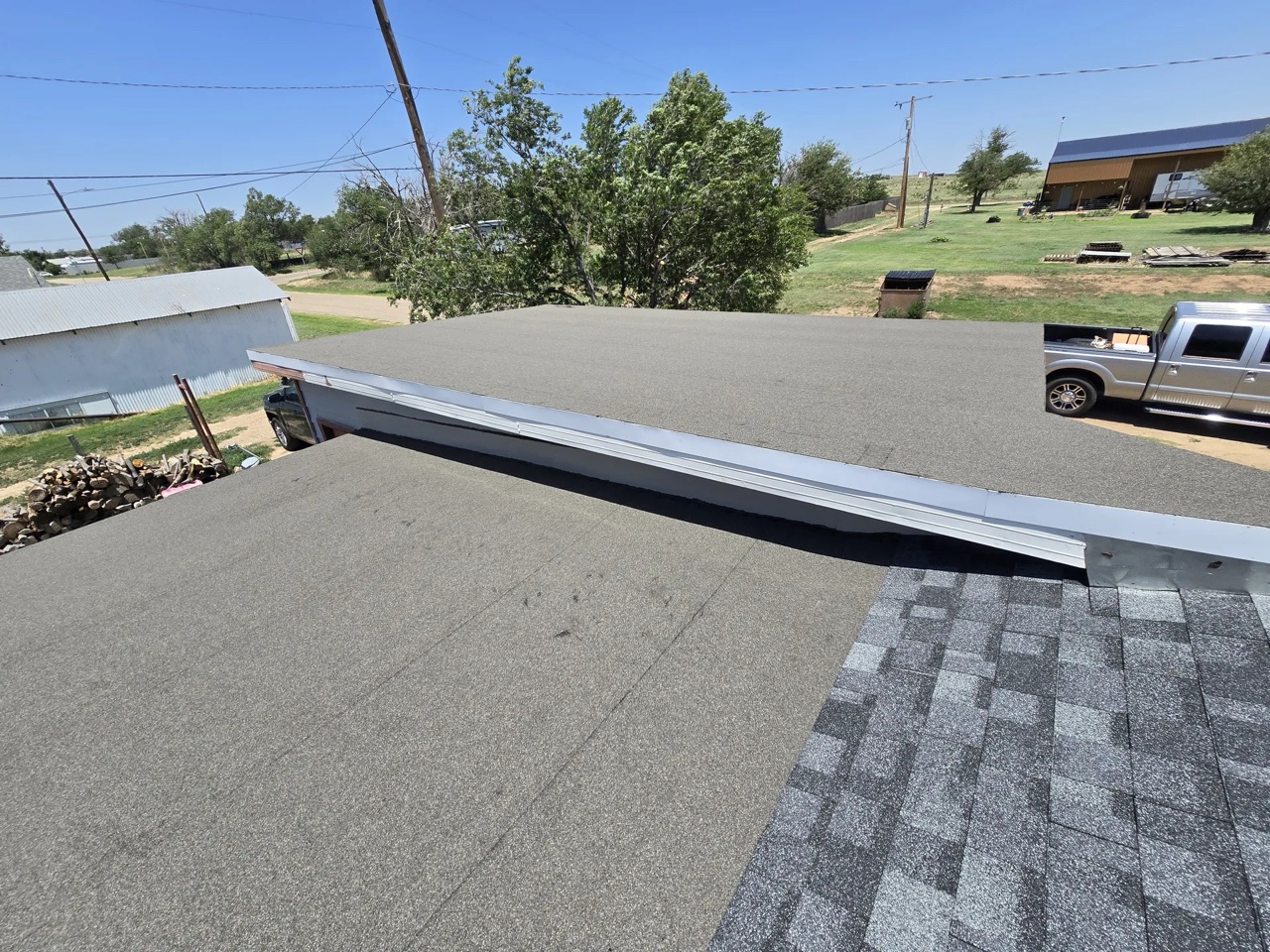
If you manage retail property near the Sunset Center area of Amarillo, the roof over your tenants is almost certainly a low-slope system that's been patched, recovered, or both over several decades — and the smartest first move is a drainage-focused inspection, not a rush to reroof. The Sunset Center opened in 1960 as one of Amarillo's first major shopping centers, and the mid-century retail buildings clustered along Plains Boulevard and Georgia Street share the same roofing story: large flat expanses, aging built-up membranes, and years of rooftop equipment added on top. Here's how to think about maintaining and replacing them.
The Roofs Over Mid-Century Amarillo Retail
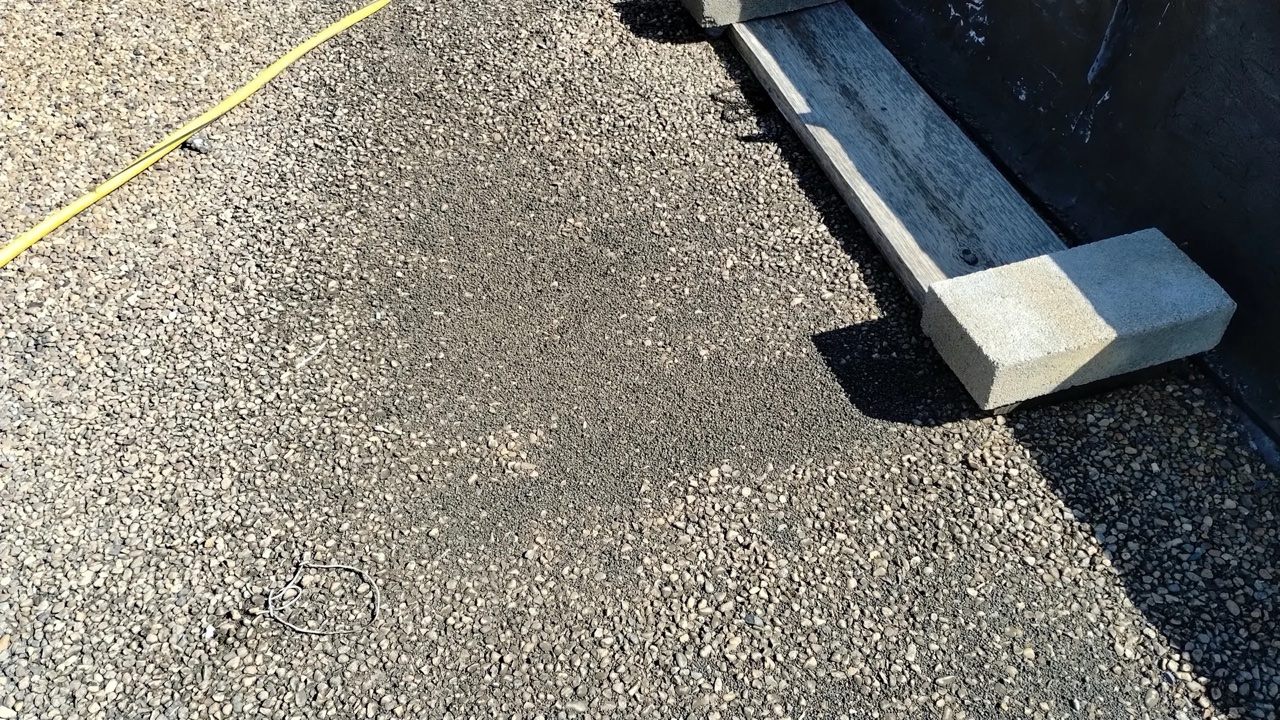
Shopping centers from the Sunset Center era were built with built-up roofing — layers of asphalt and felt topped with gravel — across broad low-slope decks. Over 50-plus years, most have been recovered at least once with modified bitumen or a single-ply membrane. That layered history is the first thing a commercial roofer has to map, because building codes limit how many roof systems can legally stack before a full tear-off is required, and because every added layer changes how the roof drains and how much it weighs.
The failure points on these roofs are predictable: seams that have split, flashing that has pulled away from parapet walls, and — above all — areas where water no longer drains.
Drainage Comes First
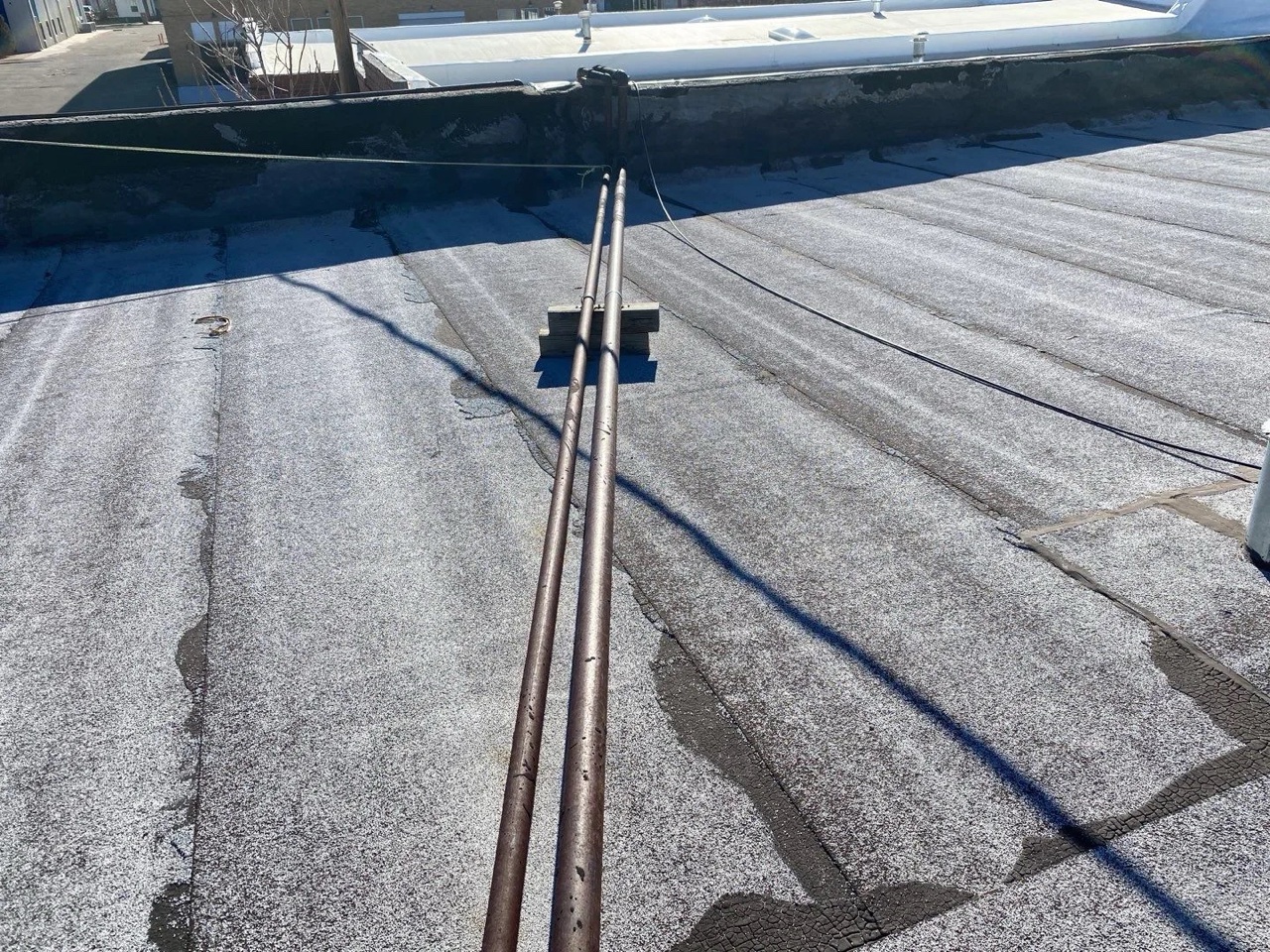
On a low-slope retail roof, ponding water is the enemy. Every rooftop HVAC curb, every added satellite mount, every settled insulation board creates a low spot, and water that sits for more than 48 hours breaks down the membrane and its adhesives. Amarillo's climate makes this worse: the high plains swing through hard freeze-thaw cycles, and water trapped in a ponding area expands as it freezes, opening seams and blisters.
Before recommending any recover or replacement, a competent roofer maps the drainage — where water goes, where it stalls, and whether the internal drains and scuppers are actually moving it off the roof. Correcting slope with tapered insulation during a reroof often does more for roof life than the membrane choice itself.
Choosing a Replacement System
When a retail roof reaches replacement, single-ply TPO is a strong option for many Amarillo buildings. Its reflective white surface cuts cooling load in the Panhandle sun, and its heat-welded seams — unlike the adhered laps on older systems — form a monolithic bond that resists wind uplift. Manufacturers such as GAF publish EverGuard TPO wind and installation specifications that a qualified commercial roofer designs to, matching membrane thickness and attachment to the building's exposure. For centers that need to stay open, the work is phased tenant by tenant so storefronts and parking keep operating.
Two details on older retail centers deserve special attention. First, the edge metal and parapet coping: on a long, low retail building the perimeter is where wind uplift concentrates, and worn coping is a common entry point for water down the interior wall. Rebuilding sound edge metal is part of any real reroof, not an add-on. Second, the layer count: because a center like this may already carry two roof systems, a recover may not be code-legal, and a permit pulled with the City of Amarillo will reflect that. A roofer who checks the layer history before quoting saves you from a mid-project surprise that turns a recover into a tear-off.
Amarillo-Specific Considerations
Retail roofs around Sunset Center face the same Panhandle punishment as any Amarillo structure, but with more surface area exposed to it. Potter County has logged more than 131 hail days since 2000, and average winds of 14.3 mph — with far higher gusts in storms — drive uplift forces across a wide, unbroken retail roof plane. A 4.25-inch hailstone like the one recorded in May 2019 can bruise a single-ply membrane and crush gravel surfacing alike. For a multi-tenant property, that argues for scheduled semiannual inspections and prompt post-storm documentation, so a small membrane breach doesn't become a tenant's water-damaged ceiling.
Managing a shopping center roof near Sunset Center? Call (806) 622-6041 or request a commercial assessment. 5 Star Residential and Commercial Roofing has handled Amarillo commercial roofs for over 11 years. See our TPO and commercial systems and roof inspections pages.
Frequently Asked Questions
What kind of roof does an older Amarillo shopping center usually have?
Most mid-century retail centers in Amarillo, including the areas around Sunset Center on Plains Boulevard, were built with low-slope built-up gravel (BUR) roofs. Many have since been recovered with modified bitumen or single-ply TPO. Knowing which system is up there — and how many layers deep it goes — drives every repair and replacement decision.
Why do flat retail roofs pond water in Amarillo?
Low-slope roofs drain slowly by design, and decades of foot traffic, added HVAC units, and settled insulation create low spots where water collects. Amarillo's freeze-thaw swings then work those ponding areas hard. Standing water is the number-one accelerant of membrane failure on a shopping center roof, so drainage correction comes before anything else.
Can you reroof a shopping center without closing the stores?
Yes. Multi-tenant retail work is phased and sequenced so tenants stay open and parking stays accessible. We stage materials off the active storefronts, protect entrances, and schedule noisy tear-off around business hours where the roof system allows.
Is TPO a good choice for a Panhandle retail roof?
For many low-slope Amarillo buildings, yes. A heat-welded TPO membrane reflects sunlight, handles the wide temperature swings on the high plains, and its welded seams resist wind uplift better than older adhered laps. The right choice still depends on the existing deck, insulation, and drainage.
Related Guides
Need a roof inspection in Amarillo?
Free, no-pressure roof inspections from a locally owned Amarillo company. We'll walk you through exactly what we find — with photos.