What Is EPDM Roofing? A Guide for Commercial Building Owners
EPDM roofing explained: what the rubber membrane is made of, how long it lasts, thickness options, and when it fits a flat commercial roof in Amarillo, TX.
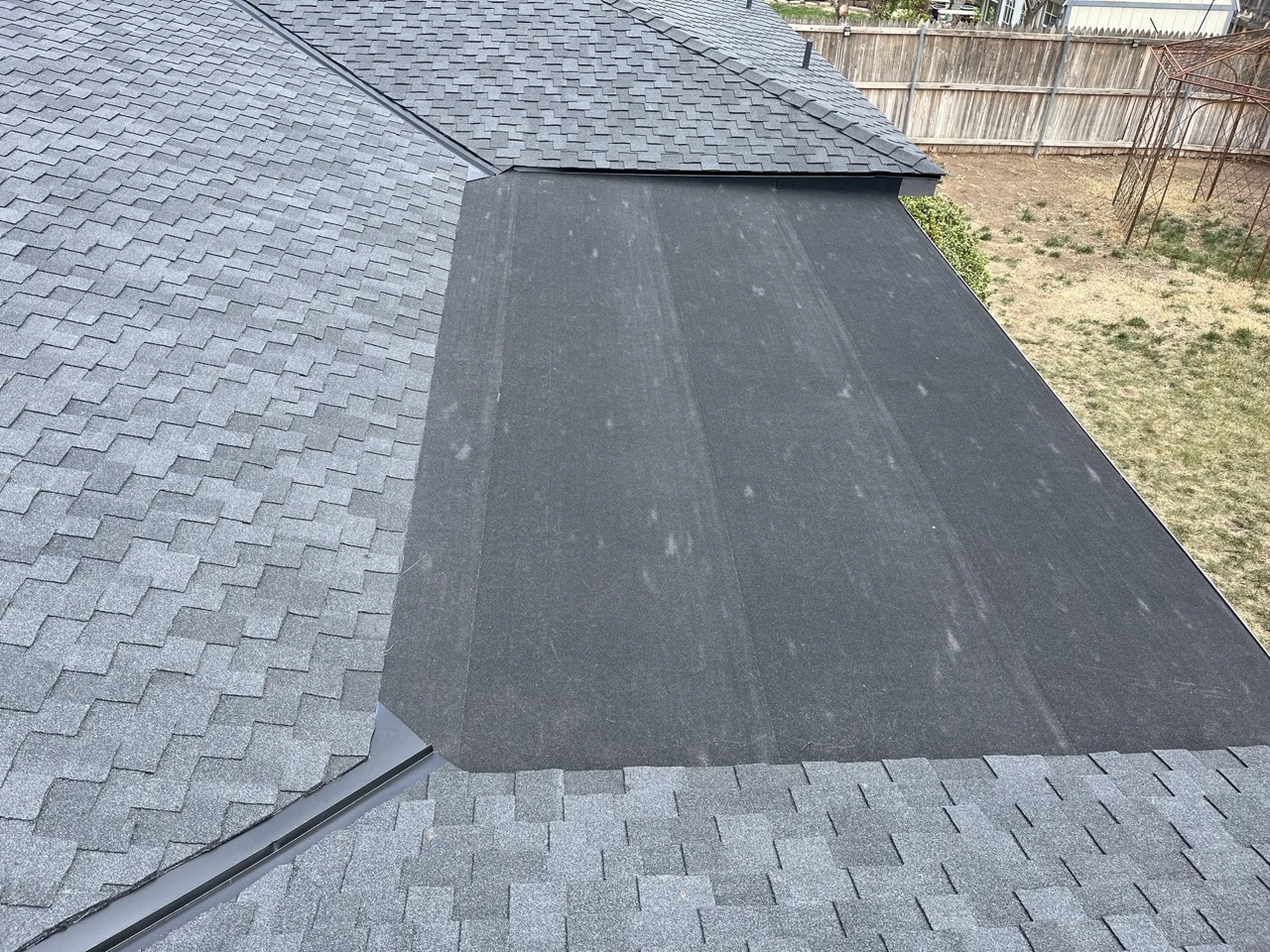
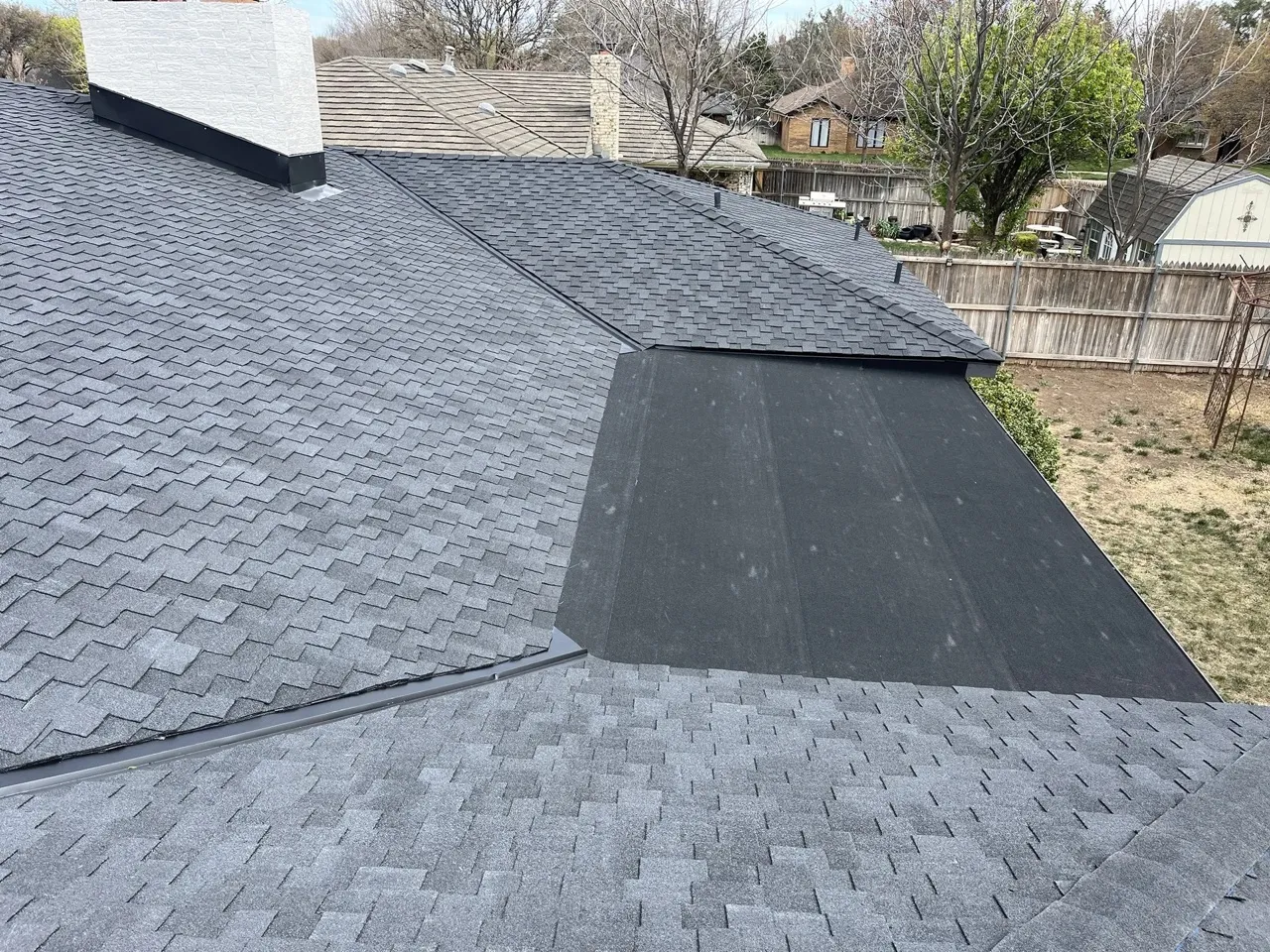
EPDM roofing is a synthetic rubber membrane — ethylene propylene diene monomer — used to waterproof flat and low-slope commercial roofs. It comes in large rolled sheets, usually black, and is installed fully adhered, mechanically fastened, or held down with ballast. Building owners and property managers run into EPDM when weighing options for a metal building, strip mall, or warehouse roof that doesn't have enough pitch for shingles.
What EPDM Is Made Of and How It's Installed
EPDM is a single-ply membrane, meaning one layer of rubber does the waterproofing rather than the layered shingle or built-up systems used on sloped roofs. Manufacturers like Carlisle SynTec produce EPDM in 45-mil, 60-mil, and 90-mil thicknesses — a mil is one-thousandth of an inch, so a 60-mil membrane is roughly the thickness of two credit cards stacked together. Thicker membranes cost more but generally hold up better against foot traffic, hail, and hail-driven debris.
Seams between sheets are joined with liquid adhesive or seam tape, not heat-welded the way TPO seams are. That's a meaningful difference for building owners doing due diligence: EPDM seams rely on a good adhesive bond, so proper installation and periodic seam inspection matter more over the roof's life.
How Long EPDM Lasts
EPDM's biggest selling point is longevity. The EPDM Roofing Association reports an expected service life of about 38 years for properly designed, installed, and maintained systems, with some field-verified installations still watertight after 45 to 50 years. Carlisle backs its thicker 90-mil Sure-Seal product with a 40-year non-prorated material warranty, and offers 15-, 20-, 25-, and 30-year warranties on its reinforced Sure-Tough line depending on thickness and system design.
That track record is longer than most single-ply alternatives, which is why EPDM remains common on warehouses, distribution centers, and older strip malls where the roof was never meant to be replaced on a short cycle.
EPDM vs. TPO: The Trade-Off That Matters Most
The most common comparison building owners ask about is EPDM against TPO (thermoplastic polyolefin). The short version: EPDM is black and absorbs solar heat, while TPO is white or light-colored and reflects it. On a building with a rooftop HVAC system running hard through a Panhandle summer, that reflectivity difference can affect cooling costs. EPDM's advantages run the other direction — it stays more flexible in cold weather, has a decades-longer field track record, and its adhesive seams don't depend on a welder's technique the way TPO's heat-welded seams do.
Neither system is universally "better." The right call depends on your building's HVAC load, roof age, budget, and how the existing roof structure is configured. That's a decision worth making with a professional roof inspection, not a guess.
Amarillo-Specific Considerations
Amarillo sits in what meteorologists call Hail Alley, where dry high-plains air collides with Gulf moisture to produce frequent, sometimes severe hailstorms — Potter County ranks among the top 10 counties nationally for hail frequency. Local records show 131 hail days since 2000 and 8 to 12 hailstorms in a typical year, including a 4.25-inch hailstone recorded in May 2019. For a flat commercial roof, that means membrane thickness and impact resistance aren't cosmetic details — they're what stands between a routine storm and a roof replacement.
Amarillo's elevation of roughly 3,600 feet also means more intense UV exposure than lower-elevation cities, which accelerates membrane aging on any single-ply roof over time, EPDM included. Regular inspections after hailstorms — not just after visible leaks show up — catch punctures and seam separation before they become interior damage.
Is EPDM Right for Your Building?
If your building has a flat or low-slope roof, EPDM is worth evaluating alongside TPO and built-up systems — especially if long-term cost per year of service life matters more to you than upfront material price or reflectivity. The membrane thickness, attachment method, and seam quality all affect how it performs against Panhandle hail and heat, and that's specific to your roof, not a one-size answer.
Considering EPDM or another flat-roof system for your Amarillo building? Call (806) 622-6041 or request a commercial roof inspection to get a system recommendation based on your building, not a generic estimate.
Frequently Asked Questions
Is EPDM the same as rubber roofing?
Yes. EPDM stands for ethylene propylene diene monomer, a synthetic rubber compound. "Rubber roofing" and "EPDM roofing" refer to the same membrane material.
How long does an EPDM roof last?
The EPDM Roofing Association reports an expected service life of about 38 years for properly installed and maintained EPDM systems, with some field-verified roofs reaching 45 to 50 years. Actual lifespan depends on membrane thickness, installation quality, and maintenance.
Is EPDM or TPO better for a flat commercial roof?
It depends on your priorities. EPDM is black and absorbs more heat, but it has a long track record, flexible cold-weather performance, and lower material cost. TPO is white and reflective, which can help with cooling loads, but its heat-welded seams and formulation vary more by manufacturer. A roof inspection is the best way to determine which system fits your building.
What thickness of EPDM membrane should I use?
EPDM is manufactured in 45-mil, 60-mil, and 90-mil thicknesses. Thicker membranes generally resist punctures and hail impact better and often carry longer manufacturer warranties, but they also cost more per square. Your roofing contractor should size the thickness to your building's exposure and budget.
Does EPDM roofing need gravel ballast?
Not always. EPDM can be installed fully adhered (glued down), mechanically fastened, or ballasted with river-rock gravel. Ballasted systems are common on buildings that can support the extra roof load and where wind uplift resistance is a priority.
Related Guides
Need a roof inspection?
Free, no-pressure roof inspections from a locally owned Amarillo company. We'll walk you through exactly what we find — with photos.